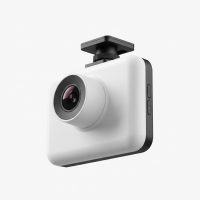
So, you’ve invested in a dash cam to protect yourself on the road. That’s a smart move. But now comes the crucial next step: installation. While the temptation to DIY is strong, finding a professional for dash cam fitting near me is often the key to unlocking your device’s full potential without causing a headache or, worse, damaging your vehicle. As an automotive tech specialist with over 15 years of hands-on experience, I’ve seen everything from flawless installations to DIY disasters. This guide is here to walk you through the why, how, and where of professional dash cam fitting.
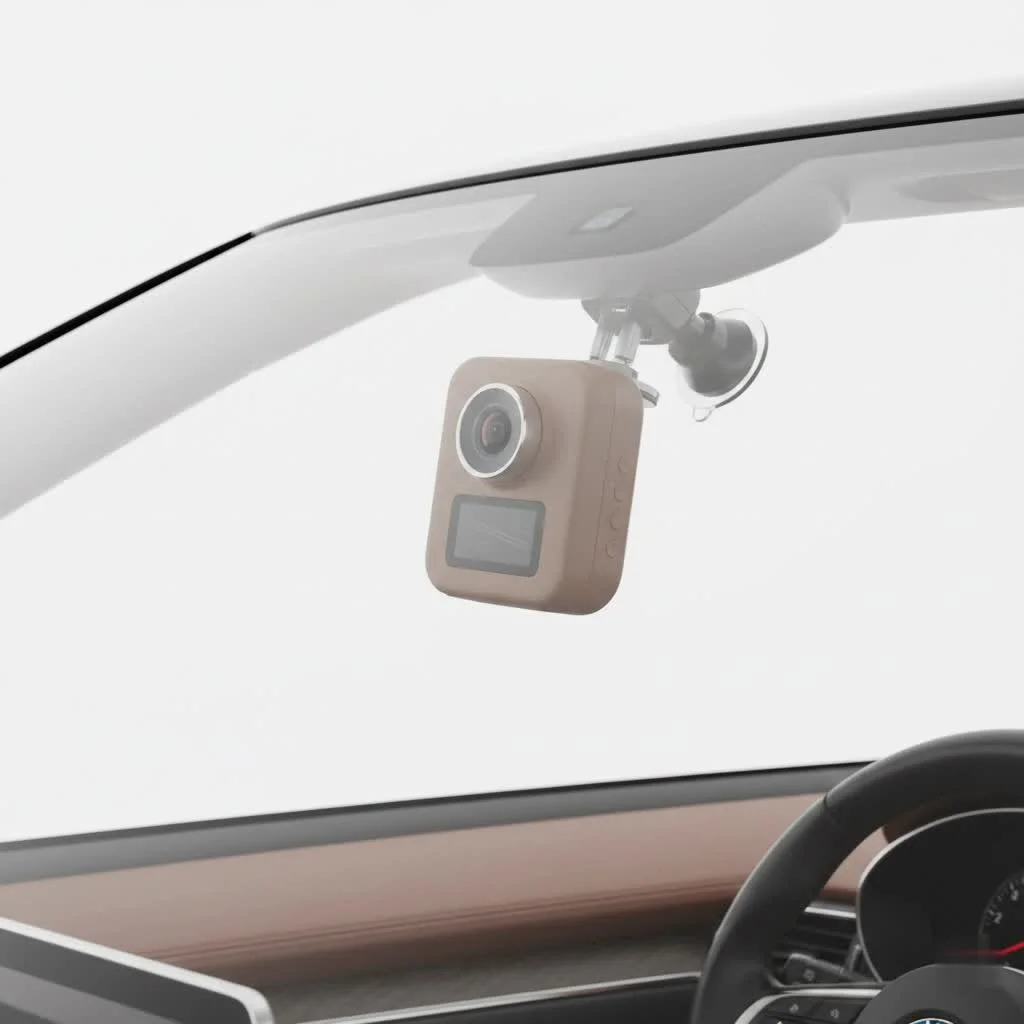
Why Choose Professional Dash Cam Fitting?
Plugging a camera into your car’s 12V socket (the old cigarette lighter) is easy, but it’s far from the best solution. It leaves wires dangling, occupies a power outlet, and usually means the camera only works when the car is on. Professional hardwiring is the superior alternative.
Safety and Reliability
A professional installer connects the dash cam directly to your vehicle’s fuse box. This is safer than tampering with your car’s electrical system without experience. They use the correct fuses and wiring techniques to ensure the device gets stable power without overloading any circuits.
“A proper hardwire installation isn’t just about hiding cables; it’s about electrical safety and system integrity,” notes Mark Reynolds, a certified auto technician with Welmb. “We ensure the camera operates as intended, particularly for critical features like parking mode, without ever compromising the vehicle’s battery health.”
A Clean, Factory-Finish Look
Nobody likes a mess of wires cluttering their dashboard and windscreen. It’s distracting and looks untidy. Professional fitters are experts at neatly tucking all cables behind trim panels, running them along the headliner, and making the installation virtually invisible. The result is a clean, factory-installed appearance.
Unlocking Advanced Features like Parking Mode
One of the most valuable features of a modern dash cam is parking mode, which records incidents even when your car is turned off and parked. This feature requires a continuous power supply, which can only be achieved through hardwiring. An installer will connect it correctly and often include a voltage cut-off device to prevent the dash cam from draining your car’s battery.
How to Find the Best Dash Cam Fitting Near Me
Finding a qualified installer is easier than you think. The goal is to find someone with proven experience in automotive electronics. Here’s where to look:
-
Specialist Car Audio and Security Shops: These businesses are the bread and butter of dash cam installations. Their technicians work with vehicle electronics daily and have the tools and expertise to handle any car, from a Ford to a Ferrari. A quick search for “car audio installation near me” or “auto electrician near me” will yield great results.
-
Major Automotive Retailers: Chains like Halfords in the UK or Best Buy in the US often offer professional installation services for products they sell. They provide a convenient, one-stop-shop experience with standardized pricing and service guarantees.
-
Your Local Mechanic or Garage: Many independent garages are expanding their services to include electronics. If you have a trusted mechanic, ask them if they offer dash cam fitting. They may not advertise it, but their familiarity with your vehicle can be a major plus.
-
Mobile Installation Services: For ultimate convenience, mobile services will come to your home or workplace to fit the device. Searching for “mobile dash cam fitting” is the best way to find these providers. They are perfect for those with busy schedules.
What to Look For in an Installer
|
Our Picks for the Best Dash Cam in 2026
As an Amazon Associate I earn from qualifying purchases.
|
||
| Num | Product | Action |
|---|---|---|
| 1 | 4K Dash Cam Front, Built-in 5G WiFi, 64GB Card Included, Dash Camera for Cars, Mini Dashcam with Super Night Vision, Loop Recording, G-Sensor, 24 Hours Parking Monitor, Support 256GB Max |

|
| 2 | VIOFO A229 Plus Dash Cam Front and Rear, Dual STARVIS 2 Sensors, 2 Channel HDR, 1440P+1440P Voice Control Car Dash Camera, 5GHz Wi-Fi, Voice Control, Ultra-Precise GPS (SD Card Not Included) |
|
| 3 | Dash Cam Front and Rear, 1080P Dash Camera for Cars, 3 Channel Car Camera Front Rear and Inside with 32GB Card, Loop Recording, Night Vision, HDR, 24Hr Parking, G-Sensor |
|
| 4 | Dash Cam 1296P Front Dashcam, V300 WiFi Dash Camera for Cars with App, Night Vision, Mini Hidden Single Car Camera, Loop Recording, 24H Parking Mode, Support 256GB Max, Black |
|
| 5 | IIWEY N5 4 Channel Dash Cam 360° View, 1080P Front and Rear Inside, Left Right Dash Camera for Cars, 8 IR Lamps Night Vision, 5G WiFi & APP Control, G-Sensor, Parking Mode, with a Free 128GB SD Card |
|
| 6 | ROVE R2-4K DUAL Dash Cam Front and Rear, STARVIS 2 Sensor, FREE 128GB Card Included, 5G WiFi - up to 20MB/s Fastest Download Speed with App, 4K 2160P/FHD Dash Camera for Cars, 3\" IPS, 24H Parking Mode |
|
| 7 | Navycrest 4K Dash Cam Front and Rear with 64GB Card, Built-in 5G WiFi, Dash Camera for Cars 4K Front and 1080P Rear, Dashcams for Cars Loop Recording, Gravity Sensor, 24-Hours Parking Mode |
|
| 8 | Dash Cam Front and Rear, 2.5K+1080P Dual Dash Camera for Cars, 2’’ Display Mini Car Camera, G-Sensor Dashcam, Night Vision, 24H Parking Mode, Loop Recording, 170°Wide Angle, 32GB Card Included |
|
| 9 | REDTIGER 4K STARVIS 2 Dash Cam Front and Rear, 5GHz WiFi 20MB/s Download, 128GB Card Included, Voice Control, Dash Camera for Cars with 3.18\" Touch Screen, GPS, Loop Recording, Parking Mode(F7N Touch) |
|
| 10 | REDTIGER 4K Dash Cam Front Rear, STARVIS 2 Sensor, Free Card Included, 5.8GHz WiFi-20MB/s Fast Download, Dash Camera for Cars with GPS, WDR Night Vision, 170°Wide Angle, 24H Parking Mode(F7NP) |
|
- Reviews and Reputation: Check Google, Yelp, and local forums for reviews. Look for comments on professionalism, cleanliness, and reliability.
- Experience with Your Vehicle Make: While most cars are similar, luxury brands like BMW, Mercedes, and Audi can have more complex electrical systems. It’s worth asking if the installer has experience with your specific model.
- Clear Pricing: Get a quote upfront that includes both labor and any necessary parts, like a hardwiring kit. Avoid services that are vague about the final cost.
Understanding the Costs of Dash Cam Installation
The cost of getting a dash cam professionally fitted can vary, but you can generally expect to pay between $75 to $200. Several factors influence the final price:
- Type of Dash Cam: A simple, front-facing camera is the cheapest to install. A dual-camera system (front and rear) takes more time and effort, as the technician needs to run a long cable to the back of the car, increasing the labor cost.
- Vehicle Complexity: Luxury cars or vehicles with sensitive electronics (like those with advanced driver-assistance systems) may require more careful work, which can increase the price.
- Hardwiring vs. Simple Plug-in: A basic installation using the 12V socket will be very cheap, but a full hardwire for parking mode will be at the higher end of the price range.
- Location: Labor rates vary by region, with services in major metropolitan areas often costing more.
While it’s an extra expense, the cost of professional fitting is a worthwhile investment for the peace of mind and flawless operation it provides.
Frequently Asked Questions (FAQ)
Q: How long does it take to get a dash cam fitted?
A: A standard front-camera hardwire installation typically takes about one hour. A front and rear camera system can take up to two or three hours, depending on the vehicle’s complexity and the route the rear cable must take.
Q: Can a hardwired dash cam drain my car battery?
A: If installed correctly, no. Professional installers use hardwire kits with a built-in voltage monitor. This device automatically cuts power to the dash cam if your car’s battery voltage drops below a certain level (e.g., 12.2V), ensuring you always have enough power to start your engine.
Q: Will a professional dash cam installation void my car’s warranty?
A: It shouldn’t. Reputable installers use non-invasive techniques like “fuse taps” to draw power without cutting or splicing any of your car’s original wiring. This method is completely reversible and should not affect your vehicle’s warranty. However, it’s always a good idea to check with your car dealership if you have concerns.
Q: Do I need to supply the dash cam and hardwire kit?
A: This depends on the installer. Some may require you to bring your own camera and kit, while others sell complete packages. It’s best to call ahead and ask what they prefer. Buying a package from the installer can sometimes simplify the process, as they will provide a compatible, high-quality kit.
Q: Is it worth getting a rear dash cam professionally installed?
A: Absolutely. Installing a rear camera is significantly more complex than the front. It involves running a long wire from the front to the back of the vehicle, which requires removing interior trim panels in the headliner, pillars, and tailgate. A professional can do this without damaging any clips or panels, ensuring a clean and secure setup.
Your Final Step to On-Road Peace of Mind
A dash cam is one of the most important accessories you can add to your vehicle, acting as an impartial witness in any incident. But its reliability hinges on its installation. By opting for a professional fitter, you ensure your device is set up safely, functions flawlessly, and looks like it was part of the car all along. Take the time to search for a reputable dash cam fitting near me, and you’ll be driving with confidence knowing you’re fully protected.
Get our weekly buyer guide
Practical specs, not advice. Unsubscribe anytime.