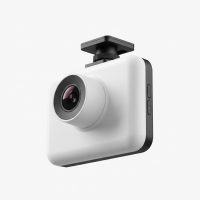
The dream of a clean, minimalist car interior often clashes with the reality of essential gadgets. For years, dash cams have meant tucking wires into headliners and trim panels, a task that can feel more like minor surgery on your vehicle. But what if you could get all the protection without the clutter? This is the promise of the cordless dash cam, a solution that attracts drivers seeking simplicity and convenience. As a dash cam specialist with over 15 years in the field, I’ve seen the technology evolve, and the move towards a wire-free setup is one of the most significant shifts.
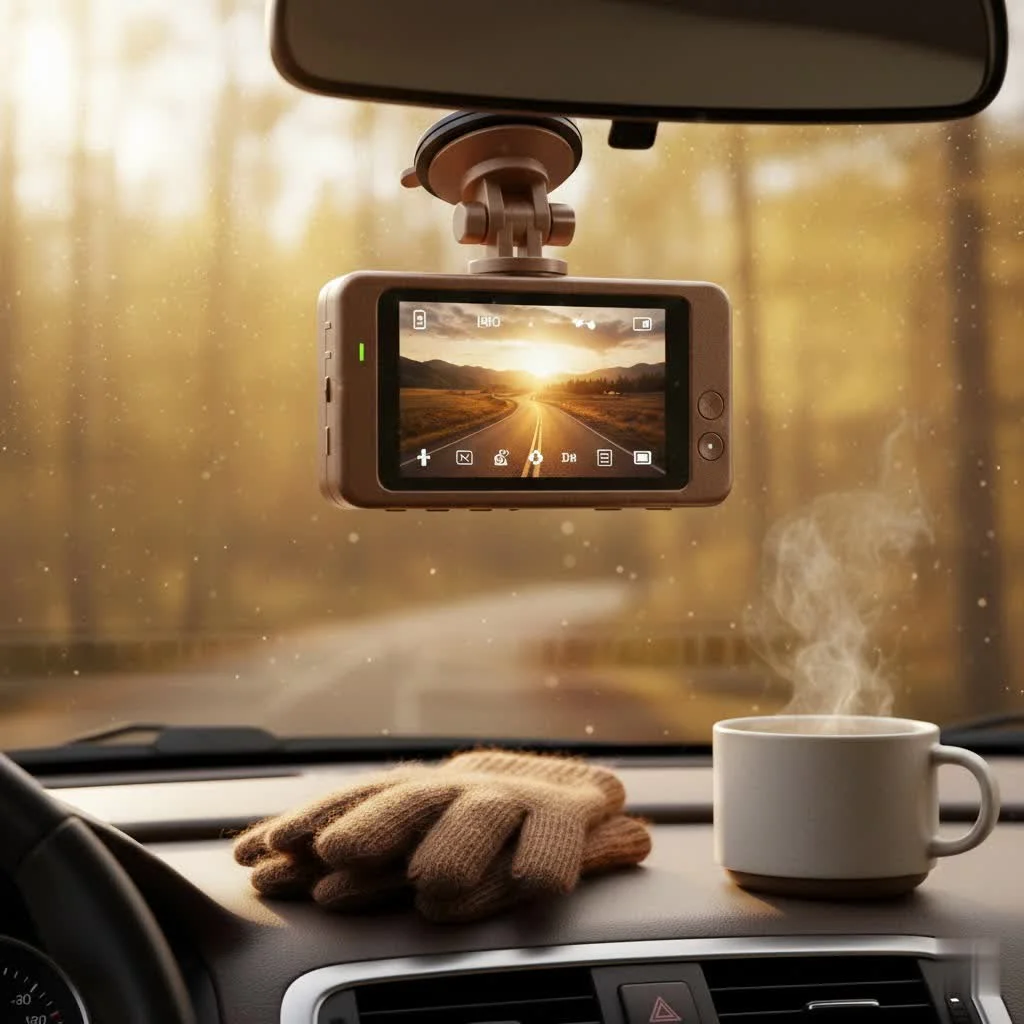
A cordless dash cam operates on a built-in, rechargeable battery, freeing you from the need to connect it to your car’s fuse box or even the cigarette lighter socket. The idea is as simple as it is appealing: charge it, mount it, and drive. This portability makes it incredibly easy to switch between vehicles, a perfect solution if you drive multiple cars or use rentals. However, the reality of this technology comes with critical trade-offs that every driver needs to understand before making a purchase.
What Exactly is a Cordless Dash Cam?
It’s important to clarify a common point of confusion: the terms “cordless” and “wireless” are often used interchangeably, but they can mean different things.
- Truly Cordless Dash Cams: These are battery-powered devices. They require no wires for power while operating. You charge them at home via USB, much like a smartphone, and then mount them in your car. Their operation is entirely self-contained until the battery depletes.
- Wireless Dash Cams: This term often refers to the data transfer method, not the power source. A “wireless” dash cam typically has Wi-Fi capabilities, allowing you to connect to the camera with your smartphone to view, download, and share footage without removing the SD card. Most of these cameras still require a power cable connected to your car.
For the purpose of this guide, we are focusing on the truly cordless, battery-powered models that promise a completely wire-free installation.
How Do Cordless Dash Cams Work?
The operation of a cordless dash cam is straightforward. A rechargeable lithium-ion battery inside the unit powers all its functions, from the image sensor to the processor that writes video onto a memory card.
When the battery is full, the device functions just like its wired counterpart. It will power on and begin recording when it detects motion or the start of a journey. However, the core of its functionality—and its biggest limitation—is the battery life.
The Pros and Cons of Going Cordless
The appeal of a cordless dash cam is undeniable, but the practical drawbacks are significant. It’s a classic case of convenience versus reliability.
Advantages of a Cordless Dash Cam
|
Our Picks for the Best Dash Cam in 2026
As an Amazon Associate I earn from qualifying purchases.
|
||
| Num | Product | Action |
|---|---|---|
| 1 | REDTIGER 4K STARVIS 2 Dash Cam Front and Rear, 5GHz WiFi 20MB/s Download, 128GB Card Included, Voice Control, Dash Camera for Cars with 3.18\" Touch Screen, GPS, Loop Recording, Parking Mode(F7N Touch) |

|
| 2 | 4K Dash Cam Front, Built-in 5G WiFi, 64GB Card Included, Dash Camera for Cars, Mini Dashcam with Super Night Vision, Loop Recording, G-Sensor, 24 Hours Parking Monitor, Support 256GB Max |
|
| 3 | Dash Cam Front and Rear, 2.5K+1080P Dual Dash Camera for Cars, 2’’ Display Mini Car Camera, G-Sensor Dashcam, Night Vision, 24H Parking Mode, Loop Recording, 170°Wide Angle, 32GB Card Included |
|
| 4 | ROVE R2-4K DUAL Dash Cam Front and Rear, STARVIS 2 Sensor, FREE 128GB Card Included, 5G WiFi - up to 20MB/s Fastest Download Speed with App, 4K 2160P/FHD Dash Camera for Cars, 3\" IPS, 24H Parking Mode |
|
| 5 | REDTIGER 4K Dash Cam Front Rear, STARVIS 2 Sensor, Free Card Included, 5.8GHz WiFi-20MB/s Fast Download, Dash Camera for Cars with GPS, WDR Night Vision, 170°Wide Angle, 24H Parking Mode(F7NP) |
|
| 6 | Dash Cam 1296P Front Dashcam, V300 WiFi Dash Camera for Cars with App, Night Vision, Mini Hidden Single Car Camera, Loop Recording, 24H Parking Mode, Support 256GB Max, Black |
|
| 7 | Navycrest 4K Dash Cam Front and Rear with 64GB Card, Built-in 5G WiFi, Dash Camera for Cars 4K Front and 1080P Rear, Dashcams for Cars Loop Recording, Gravity Sensor, 24-Hours Parking Mode |
|
| 8 | VIOFO A229 Plus Dash Cam Front and Rear, Dual STARVIS 2 Sensors, 2 Channel HDR, 1440P+1440P Voice Control Car Dash Camera, 5GHz Wi-Fi, Voice Control, Ultra-Precise GPS (SD Card Not Included) |
|
| 9 | IIWEY N5 4 Channel Dash Cam 360° View, 1080P Front and Rear Inside, Left Right Dash Camera for Cars, 8 IR Lamps Night Vision, 5G WiFi & APP Control, G-Sensor, Parking Mode, with a Free 128GB SD Card |
|
| 10 | Dash Cam Front and Rear, 1080P Dash Camera for Cars, 3 Channel Car Camera Front Rear and Inside with 32GB Card, Loop Recording, Night Vision, HDR, 24Hr Parking, G-Sensor |
|
- Effortless Installation: The setup process takes seconds. With no wires to route, you simply attach the mount to your windshield, clip in the camera, and you’re ready to go. This makes it ideal for those who are not comfortable with car electronics.
- Ultimate Portability: If you frequently switch between a personal car, a work vehicle, or rental cars, a cordless dash cam is incredibly versatile. You can move your single investment between any vehicle with ease.
- Clean Aesthetics: For car enthusiasts who value a tidy, factory-look interior, the absence of dangling cables is a major selling point. It keeps your dashboard and windshield area completely clutter-free.
Disadvantages to Consider
- Limited Recording Time: This is the most critical flaw. Most battery-powered dash cams offer only a few hours of recording time on a full charge. For a daily commute, this might be sufficient, but it’s completely inadequate for long road trips or for anyone who drives professionally.
- No Reliable Parking Mode: A key feature of modern dash cams is “parking mode,” which monitors your vehicle for impacts or motion when it’s turned off. A cordless dash cam cannot offer this reliably. Its battery would drain within hours, leaving your car unprotected overnight or in a parking lot.
- Constant Need for Recharging: The convenience of no wires is quickly offset by the inconvenience of having to frequently remove the device from your car to charge it. Forgetting to do so means driving with no protection at all.
- Performance in Extreme Temperatures: Battery life can be significantly affected by extreme heat or cold, which are common conditions inside a parked car. This can lead to the battery draining faster than expected or failing to operate at all.
Are Cordless Dash Cams a Good Idea?
Having installed and tested hundreds of dash cams, I can say that a truly cordless dash cam is a niche product that works for only a very specific type of user. If you have a short daily commute and are diligent about recharging your devices every night, it can be a viable, clutter-free option.
However, for the vast majority of drivers, the risks outweigh the benefits. The primary purpose of a dash cam is to be a reliable, “set-it-and-forget-it” safety device. You need to trust that it is recording every time you drive. The battery-dependent nature of a cordless unit introduces a major point of failure.
As my colleague Alex Robertson, a veteran automotive electronics installer, often says, “A dash cam is like a seatbelt. It only works if it’s active when you need it. Relying on a battery you might have forgotten to charge is a gamble you don’t want to take.”
For reliable, continuous protection, a wired solution is still the industry standard. Even a simple setup using the 12V cigarette lighter socket is vastly more reliable than a battery-only device.
What to Look For in a Cordless Dash Cam
If you’ve weighed the cons and decided a cordless model fits your specific needs, here are the key features to prioritize:
- Maximum Battery Life: This is the most important specification. Look for models that explicitly state their recording time and check user reviews to see if those claims hold up in the real world. Anything less than 3-4 hours of continuous recording is likely not worth it.
- Video Quality: Don’t compromise on video quality. A minimum of 1080p Full HD is essential to capture clear details like license plates.
- Automatic On/Off: The camera should be smart enough to start recording when it detects the car is moving (via its G-sensor) and shut off after a period of inactivity to conserve battery.
- Clear Battery Indicator: A large, easy-to-read battery level indicator is crucial so you know at a glance if you have enough power for your trip.
- Storage Capacity: Ensure it supports a high-capacity microSD card (at least 128GB) to store a reasonable amount of footage before it begins loop recording.
Easy-to-Install Alternatives to Cordless Models
For those seeking simplicity without the severe drawbacks of battery power, there are excellent alternatives:
- 12V Plug-and-Play Dash Cams: The most common type of dash cam simply plugs into your car’s cigarette lighter socket. While there is a wire, it’s very easy to install and provides a constant, reliable power source whenever your car is on.
- Capacitor-Based Dash Cams: Instead of lithium-ion batteries, these models use supercapacitors. While they don’t hold a long charge, they are far more durable and resistant to extreme temperatures. They provide just enough power to safely save the final video file after you turn off your car. These are the gold standard for reliability.
- Hardwire Kits with Simple Installation: For those wanting a true parking mode, a hardwire kit is necessary. Many modern kits are designed for easier DIY installation with add-a-fuse taps, which don’t require any cutting or splicing of wires.
Frequently Asked Questions (FAQ)
How long does a cordless dash cam battery last?
Most battery-powered dash cams last for 2-4 hours of continuous recording on a single charge. This can be reduced by factors like high-resolution recording and extreme temperatures.
Can a cordless dash cam record when the car is off?
Technically yes, but only until its internal battery runs out, which would only be for a few hours at most. It is not a reliable solution for overnight parking surveillance.
Do I have to charge a wireless dash cam?
If the dash cam is truly cordless and battery-powered, then yes, you must charge it regularly. If it is “wireless” for data transfer but powered by a cable, then it charges or receives power from the car while you drive.
Is a wireless or wired dash cam better?
A wired dash cam is overwhelmingly better for reliability and peace of mind. The power source is consistent, enabling crucial features like a true parking mode and ensuring the device is always ready to record in an emergency.
What is the easiest dash cam to install?
The easiest dash cam to install is a cordless, battery-powered model. However, a close second is a standard dash cam that plugs into your car’s 12V cigarette lighter socket, which offers far greater reliability with minimal installation effort.
Conclusion: Convenience at a Cost
The cordless dash cam is an enticing concept that delivers on its promise of a clean, simple installation. For the casual user with a short commute and a disciplined charging routine, it can be a functional choice. However, for anyone who sees a dash cam as a critical safety tool, the limitations of battery power are too significant to ignore.
The risk of the battery dying before or during an incident undermines the very purpose of having the device. Before choosing the convenience of no wires, carefully consider if you are willing to trade reliability for it. For most drivers, a simple plug-in wired dash cam remains the superior and safer choice, ensuring you’re protected on every journey.
Get our weekly buyer guide
Practical specs, not advice. Unsubscribe anytime.