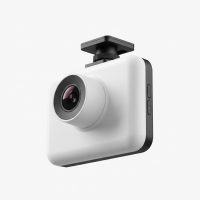
As a seasoned rider, you know the freedom of the open road is a double-edged sword. It offers unparalleled exhilaration but also comes with unique risks. A top-tier helmet and proper riding gear are non-negotiable, but in today’s world, there’s another piece of tech that’s just as crucial: the motorbike dash cam. This isn’t just another gadget; it’s your silent witness, your impartial co-pilot, and your personal memory-keeper, all rolled into one rugged, compact device.
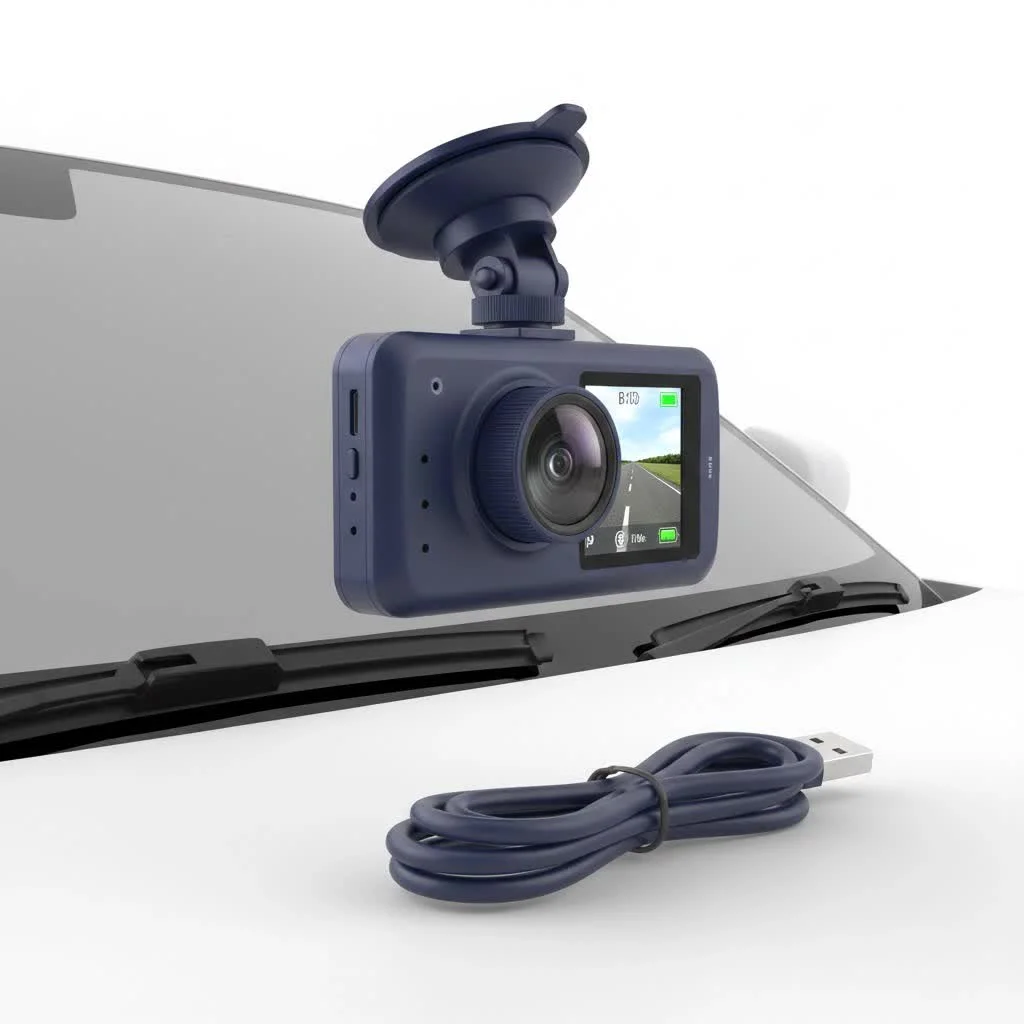
For over 15 years, I’ve seen countless situations where clear video footage has been the deciding factor in insurance claims, legal disputes, and even just settling a simple “he said, she said” on the road. At Welmb.com, we believe that equipping your bike with a camera is one of the smartest upgrades you can make for your safety and peace of mind. For expert automotive dash reviews on this site.
What is a Motorbike Dash Cam, Really?
A motorbike dash cam is a digital video recorder specifically designed to endure the harsh conditions of motorcycling. Unlike a standard car dash cam or an action camera like a GoPro, these devices are built to be permanently installed and automatically record your rides from the moment you start your engine.
They differ from car cams primarily in their construction. They must be weather-resistant (often with an IP67 rating or higher for waterproofing), vibration-proof, and typically come as a multi-part system: one or two small, discreet camera lenses connected by wire to a central recording unit hidden somewhere safe on the bike, like under the seat.
“Many riders think an action camera is a substitute for a dedicated motorbike dash cam, but they serve very different purposes,” notes veteran motorcycle technician, David Chen. “A true dash cam is a ‘set-it-and-forget-it’ safety system. It’s wired to your bike’s power, records on a loop, and automatically saves critical files when it detects an impact. An action camera requires manual operation and battery management, making it unreliable as a safety device.”
Key Features That Every Rider Should Demand
Choosing the right motorbike dash cam can feel overwhelming with all the technical jargon out there. Let’s break down the essential features you absolutely need to look for.
Dual-Channel (Front and Rear) Recording
A single, front-facing camera is good, but a dual-channel system is essential. The majority of multi-vehicle motorcycle accidents involve impacts from the front, but rear-end collisions are incredibly common and often contentious. Having a rear-facing camera provides a complete 360-degree view of any incident, leaving no room for doubt about who was at fault.
Superior Video Quality and Wide-Angle Lens
|
Our Picks for the Best Dash Cam in 2026
As an Amazon Associate I earn from qualifying purchases.
|
||
| Num | Product | Action |
|---|---|---|
| 1 | REDTIGER 4K Dash Cam Front Rear, STARVIS 2 Sensor, Free Card Included, 5.8GHz WiFi-20MB/s Fast Download, Dash Camera for Cars with GPS, WDR Night Vision, 170°Wide Angle, 24H Parking Mode(F7NP) |

|
| 2 | IIWEY N5 4 Channel Dash Cam 360° View, 1080P Front and Rear Inside, Left Right Dash Camera for Cars, 8 IR Lamps Night Vision, 5G WiFi & APP Control, G-Sensor, Parking Mode, with a Free 128GB SD Card |
|
| 3 | Dash Cam Front and Rear, 1080P Dash Camera for Cars, 3 Channel Car Camera Front Rear and Inside with 32GB Card, Loop Recording, Night Vision, HDR, 24Hr Parking, G-Sensor |
|
| 4 | VIOFO A229 Plus Dash Cam Front and Rear, Dual STARVIS 2 Sensors, 2 Channel HDR, 1440P+1440P Voice Control Car Dash Camera, 5GHz Wi-Fi, Voice Control, Ultra-Precise GPS (SD Card Not Included) |
|
| 5 | 4K Dash Cam Front, Built-in 5G WiFi, 64GB Card Included, Dash Camera for Cars, Mini Dashcam with Super Night Vision, Loop Recording, G-Sensor, 24 Hours Parking Monitor, Support 256GB Max |
|
| 6 | Dash Cam 1296P Front Dashcam, V300 WiFi Dash Camera for Cars with App, Night Vision, Mini Hidden Single Car Camera, Loop Recording, 24H Parking Mode, Support 256GB Max, Black |
|
| 7 | REDTIGER 4K STARVIS 2 Dash Cam Front and Rear, 5GHz WiFi 20MB/s Download, 128GB Card Included, Voice Control, Dash Camera for Cars with 3.18\" Touch Screen, GPS, Loop Recording, Parking Mode(F7N Touch) |
|
| 8 | Navycrest 4K Dash Cam Front and Rear with 64GB Card, Built-in 5G WiFi, Dash Camera for Cars 4K Front and 1080P Rear, Dashcams for Cars Loop Recording, Gravity Sensor, 24-Hours Parking Mode |
|
| 9 | Dash Cam Front and Rear, 2.5K+1080P Dual Dash Camera for Cars, 2’’ Display Mini Car Camera, G-Sensor Dashcam, Night Vision, 24H Parking Mode, Loop Recording, 170°Wide Angle, 32GB Card Included |
|
| 10 | ROVE R2-4K DUAL Dash Cam Front and Rear, STARVIS 2 Sensor, FREE 128GB Card Included, 5G WiFi - up to 20MB/s Fastest Download Speed with App, 4K 2160P/FHD Dash Camera for Cars, 3\" IPS, 24H Parking Mode |
|
Look for a camera that records in at least 1080p Full HD. This level of clarity is crucial for capturing important details like license plate numbers, road signs, and the specific actions of other drivers, both day and night. A wide-angle lens, typically between 140 and 170 degrees, is also vital to capture the entire scene without creating a distorted “fisheye” effect.
Must-Have Automatic Functions
A great motorbike dash cam works seamlessly in the background. Here are the non-negotiable automatic features:
- Loop Recording: This is the cornerstone of any dash cam. The device continuously records video in short segments (e.g., 1, 3, or 5 minutes). When the memory card is full, it automatically overwrites the oldest, non-essential file, ensuring you never run out of space.
- G-Sensor (Gravity Sensor): The G-sensor detects sudden changes in force, such as hard braking, a collision, or the bike tipping over. When triggered, it automatically locks the current video file, preventing it from being overwritten by the loop recording. This is your evidence file.
- GPS Logging: An integrated GPS module does more than just track your route. It embeds crucial data directly onto your video files, including your precise location, speed, and the time. This information adds an indisputable layer of context to your footage for insurance claims or legal proceedings.
Built for the Road: Weatherproofing and Durability
Your motorcycle is exposed to the elements, and your dash cam must be too. Look for an IP (Ingress Protection) rating of at least IP67. This ensures the cameras and connectors are completely protected from dust and can withstand being submerged in water. The main DVR unit, while often stored under the seat, should also be water-resistant.
How to Choose the Perfect Motorbike Dash Cam
With the key features in mind, selecting the right model comes down to your specific needs and how you ride.
Step 1: Assess Your Riding Style
Are you a daily commuter, a weekend tourer, or an adventure rider?
- Commuters: A reliable, hardwired dual-channel system with parking mode (which records if it detects an impact while parked) is ideal for urban environments.
- Tourers: GPS logging is a fantastic feature for documenting long journeys. A system with Wi-Fi connectivity makes it easy to review footage on your phone without needing a laptop.
- Adventure/Off-Road Riders: Durability is paramount. Look for systems with robust, metal-cased cameras and superior image stabilization to handle rough terrain and vibrations.
Step 2: Consider Power and Storage
Most motorbike dash cams are hardwired to the motorcycle’s battery. This is the most reliable method as the camera will power on and off with the ignition. Ensure the kit includes a smart power module to prevent the camera from draining your bike’s battery. For storage, a high-endurance 64GB or 128GB microSD card is typically sufficient for several hours of looped recording.
Step 3: Compare Top Brands and Models
While we avoid endorsing single brands at Welmb.com, some well-regarded names in the motorbike dash cam space include VSYSTO, INNOVV, and Blueskysea. Read reviews, watch installation videos, and compare the features that matter most to you.
| Feature | Basic System | Mid-Range System | Premium System |
|---|---|---|---|
| Resolution | 1080p Front / 720p Rear | 1080p Front & Rear | 1080p or 4K with Sony STARVIS sensors |
| GPS | Optional/External | Included | Included with high accuracy |
| Wi-Fi App | No | Basic App | Advanced App with editing features |
| Waterproofing | IP65/IP67 | IP67 | IP67/IP68 |
| Image Sensor | Standard CMOS | Sony CMOS | Sony STARVIS for low light |
| Price Range | $100 – $180 | $180 – $300 | $300+ |
Frequently Asked Questions (FAQ)
Is using a motorbike dash cam legal?
Yes, in most countries, including the US and UK, it is perfectly legal to use a dash cam for personal use to record on public roads. However, regulations can vary regarding audio recording and how the footage is used, so it’s always wise to check local laws.
Will a hardwired dash cam drain my motorcycle’s battery?
No, not if installed correctly. Quality dash cam kits come with a voltage protection module that monitors your battery. If the voltage drops below a certain level (e.g., 12V), the module will automatically cut power to the camera to ensure you have enough charge to start your engine.
Can’t I just use a GoPro or another action camera?
While you can record a ride with an action camera, it is not a suitable replacement for a dash cam. Action cameras lack automatic features like loop recording, G-sensor event detection, and ignition-powered operation. You would have to manually start/stop recording, manage battery life, and clear the memory card, making them impractical for daily safety.
How are the video files stored and accessed?
Videos are stored on a microSD card in the main DVR unit. Most modern systems have a companion smartphone app that connects to the DVR via Wi-Fi. This allows you to view live footage, change settings, and download saved videos directly to your phone without ever needing to remove the memory card.
Is professional installation required?
Many riders with basic mechanical skills can install a motorbike dash cam themselves in a few hours. The process typically involves routing cables from the front and rear cameras to the main unit under the seat and connecting the power module to the battery. However, if you’re not comfortable with vehicle electronics, a professional installation is recommended.
Your Best Investment on Two Wheels
Ultimately, a motorbike dash cam is more than just a camera; it’s a comprehensive safety system. It provides irrefutable evidence when you need it most, deters malicious behavior from other road users, and even captures the stunning beauty of your favorite rides. The peace of mind it offers is invaluable. Don’t wait until after an incident to wish you had one. Make it your next essential upgrade and ride with the confidence that you’re protected.
Get our weekly buyer guide
Practical specs, not advice. Unsubscribe anytime.