A dash cam front and rear system, also known as a dual-channel dash cam, is the definitive solution for comprehensive vehicle security, providing irrefutable video evidence from both the front and rear of your car. This setup acts as your vehicle’s black box, tirelessly recording every angle to protect against false claims, hit-and-runs, and unexpected road incidents. As an automotive technology expert, I’ve observed that a rear camera is often the deciding factor in accident liability disputes, making this system a crucial upgrade for any driver.
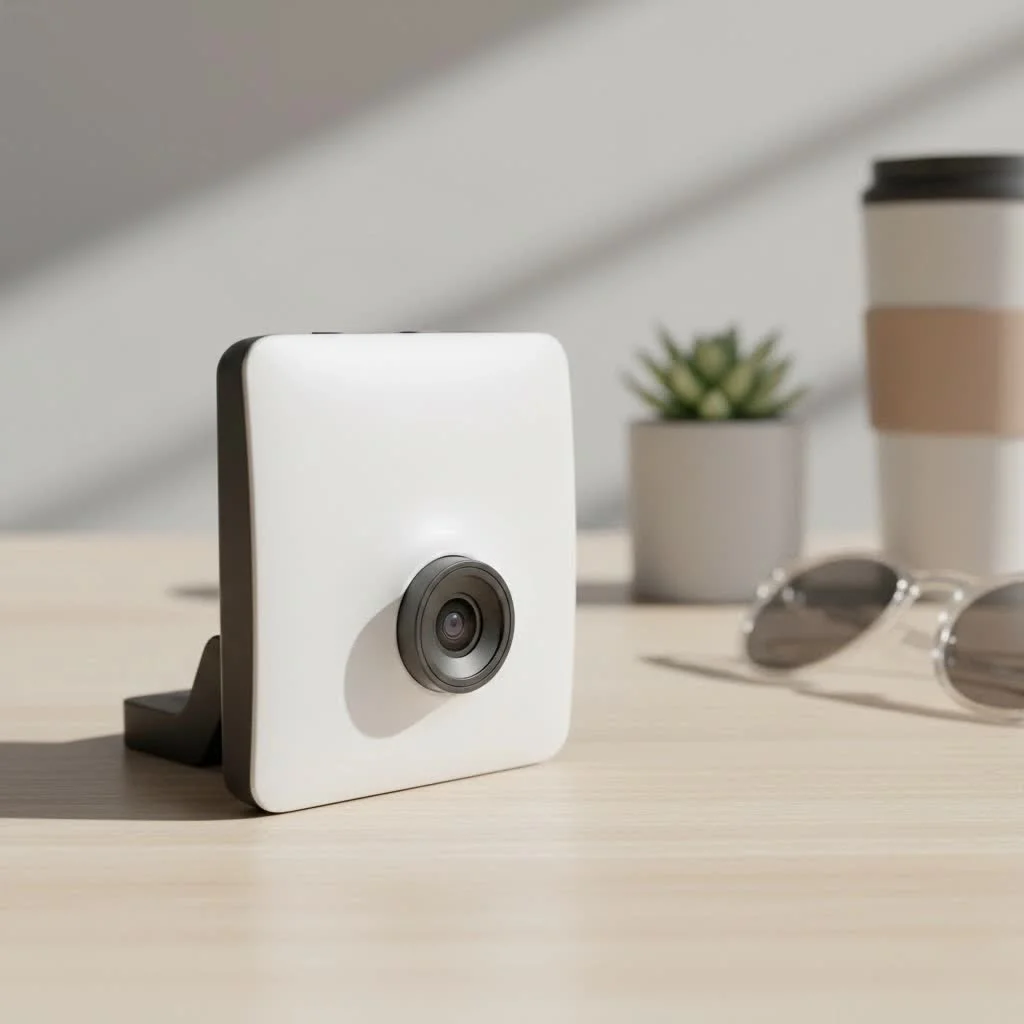
What Exactly Is a Front and Rear Dash Cam?
A front and rear dash cam, often called a dual-channel system, consists of two separate camera units that work in tandem. The primary unit, which looks like a standard dash cam, mounts to your front windshield. A second, smaller camera is connected via a long cable and mounted on your rear window. Both cameras record simultaneously onto the same memory card, providing you with a seamless, synchronized view of what’s happening in front of and behind your vehicle. This is fundamentally different from single-lens cameras, which leave you completely blind to rear-end collisions, tailgaters, and incidents that occur behind you. For explore our automotive dash reviews on this site.
The Undeniable Benefits of 360-Degree Coverage
Upgrading to a dual-channel system isn’t just about adding another camera; it’s about creating a complete bubble of security around your car. The advantages are immediate and substantial.
- Complete Accident Reconstruction: Rear-end collisions are among the most common types of accidents. A rear-facing camera provides indisputable proof of the other driver’s fault, preventing “he said, she said” disputes.
- Parking Mode Protection: This is where a dash cam front and rear truly shines. When hardwired, parking mode allows the cameras to monitor for impacts or motion even when the car is off. It’s your best defense against parking lot hit-and-runs or vandalism.
- Deterring Tailgaters and Fraud: The visible presence of a rear camera can deter aggressive drivers and those attempting to stage an accident for an insurance scam.
- Capturing the Full Picture: From scenic road trips to unexpected events, having both angles recorded means you’ll never miss a moment.
“A front-only dash cam tells half the story. The rear camera is your only unbiased witness in a rear-end collision, one of the most common accidents on the road. Investing in a full front and rear dash cam system is non-negotiable for complete driver security.”— David Chen, Automotive Electronics Specialist
How to Choose the Best Dash Cam Front and Rear
With so many options on the market, selecting the right system can feel overwhelming. Focus on these core components to ensure you get a reliable and effective product that fits your needs.
Video Quality: It’s More Than Just “HD”
|
Our Picks for the Best Dash Cam in 2026
As an Amazon Associate I earn from qualifying purchases.
|
||
| Num | Product | Action |
|---|---|---|
| 1 | 4K Dash Cam Front, Built-in 5G WiFi, 64GB Card Included, Dash Camera for Cars, Mini Dashcam with Super Night Vision, Loop Recording, G-Sensor, 24 Hours Parking Monitor, Support 256GB Max |

|
| 2 | Dash Cam Front and Rear, 1080P Dash Camera for Cars, 3 Channel Car Camera Front Rear and Inside with 32GB Card, Loop Recording, Night Vision, HDR, 24Hr Parking, G-Sensor |
|
| 3 | REDTIGER 4K STARVIS 2 Dash Cam Front and Rear, 5GHz WiFi 20MB/s Download, 128GB Card Included, Voice Control, Dash Camera for Cars with 3.18\" Touch Screen, GPS, Loop Recording, Parking Mode(F7N Touch) |
|
| 4 | IIWEY N5 4 Channel Dash Cam 360° View, 1080P Front and Rear Inside, Left Right Dash Camera for Cars, 8 IR Lamps Night Vision, 5G WiFi & APP Control, G-Sensor, Parking Mode, with a Free 128GB SD Card |
|
| 5 | Navycrest 4K Dash Cam Front and Rear with 64GB Card, Built-in 5G WiFi, Dash Camera for Cars 4K Front and 1080P Rear, Dashcams for Cars Loop Recording, Gravity Sensor, 24-Hours Parking Mode |
|
| 6 | ROVE R2-4K DUAL Dash Cam Front and Rear, STARVIS 2 Sensor, FREE 128GB Card Included, 5G WiFi - up to 20MB/s Fastest Download Speed with App, 4K 2160P/FHD Dash Camera for Cars, 3\" IPS, 24H Parking Mode |
|
| 7 | VIOFO A229 Plus Dash Cam Front and Rear, Dual STARVIS 2 Sensors, 2 Channel HDR, 1440P+1440P Voice Control Car Dash Camera, 5GHz Wi-Fi, Voice Control, Ultra-Precise GPS (SD Card Not Included) |
|
| 8 | REDTIGER 4K Dash Cam Front Rear, STARVIS 2 Sensor, Free Card Included, 5.8GHz WiFi-20MB/s Fast Download, Dash Camera for Cars with GPS, WDR Night Vision, 170°Wide Angle, 24H Parking Mode(F7NP) |
|
| 9 | Dash Cam 1296P Front Dashcam, V300 WiFi Dash Camera for Cars with App, Night Vision, Mini Hidden Single Car Camera, Loop Recording, 24H Parking Mode, Support 256GB Max, Black |
|
| 10 | Dash Cam Front and Rear, 2.5K+1080P Dual Dash Camera for Cars, 2’’ Display Mini Car Camera, G-Sensor Dashcam, Night Vision, 24H Parking Mode, Loop Recording, 170°Wide Angle, 32GB Card Included |
|
Don’t settle for the bare minimum. The ability to read a license plate, day or night, is crucial.
- Resolution: Look for a system that offers at least 1080p (Full HD) resolution for both the front and rear cameras. Premium models offer 2K (1440p) or even 4K for the front camera, providing superior clarity.
- Image Sensor: The sensor is the heart of the camera. A quality sensor, like the Sony STARVIS, is designed for low-light conditions, drastically improving nighttime video quality and reducing graininess.
- Wide Dynamic Range (WDR): This technology helps balance the light and dark areas in a scene, preventing footage from being overexposed in bright sunlight or underexposed in shadows.
Critical Features You Can’t Ignore
Beyond video quality, these features separate the basic models from the truly useful ones.
- Loop Recording: This is a standard, essential feature. The dash cam continuously records in short segments (e.g., 1-3 minutes). When the memory card is full, it automatically overwrites the oldest, non-protected file, so you never have to manage storage manually.
- G-Sensor: The built-in accelerometer detects sudden impacts, like a collision or heavy braking. When triggered, it automatically locks the current video file, protecting it from being overwritten by the loop recording feature.
- GPS: An integrated GPS module embeds your vehicle’s speed and location data into the video footage. This information can be vital for insurance claims and legal disputes.
- Parking Mode: For 24/7 protection, this is a must-have. It requires a hardwiring kit to draw a small amount of power from your car’s battery without draining it. When an impact is detected while parked, the camera wakes up and records the event.
- Wi-Fi and App Connectivity: Modern dash cams use Wi-Fi to connect to a smartphone app. This makes it incredibly easy to review footage, download important videos, and adjust settings without needing to remove the microSD card.
A Step-by-Step Guide to Installation
While professional installation is always an option, many drivers can install a dash cam front and rear system themselves in about an hour. The key is to be patient and methodical when hiding the wires for a clean, factory-like look.
- Mount the Front Camera: Position the main unit on the front windshield, typically behind the rearview mirror, to avoid obstructing your view.
- Route the Power Cable: Tuck the power cable into the headliner, run it down the A-pillar (the trim alongside the windshield), hide it under the glove box, and plug it into your car’s 12V outlet.
- Connect and Mount the Rear Camera: Place the rear camera at the top center of your rear window.
- Route the Rear Camera Cable: This is the most time-consuming step. Run the long connection cable from the rear camera along the headliner, moving from the back of the car to the front. You can use a trim tool to gently tuck the wire out of sight.
- Connect to the Front Unit: Plug the rear camera’s cable into the main front unit.
- Power On and Test: Start your car to power on the system. Use the camera’s screen or the smartphone app to check the view from both cameras and ensure they are positioned correctly.
Frequently Asked Questions (FAQ)
Is a rear dash cam really worth it?
Absolutely. A rear camera protects you from the most common type of traffic collision (rear-end impacts) and is invaluable for capturing incidents in parking lots. The modest additional cost provides a massive increase in security.
How much does it cost to professionally install a front and rear dash cam?
Professional installation typically costs between $50 and $150, depending on the vehicle and the complexity of the hardwiring for parking mode. It’s a worthwhile investment for a clean and reliable setup.
Can a dash cam front and rear record all the time?
Yes, through two methods. When driving, it records continuously via loop recording. When parked, a hardwired system with parking mode will monitor for incidents and only record when triggered by the G-sensor, saving both power and memory card space.
What is the best way to hide the wires for a clean look?
The best method is to tuck the wires into the vehicle’s headliner and plastic trim panels. A simple plastic trim removal tool, often included with the dash cam, makes this process easy and prevents any damage to your car’s interior.
Final Thoughts: An Investment in Your Peace of Mind
A dash cam front and rear is one of the most practical and powerful upgrades you can make for your vehicle. It’s more than just a gadget; it’s a silent, unbiased co-pilot that works around the clock to protect you, your property, and your finances. By providing a complete record of any incident, it eliminates doubt and ensures that the truth is always on your side. Don’t wait for an accident to happen—equip your vehicle with full coverage and drive with the confidence that you’re always protected.
Frequently Asked Questions
Is a rear dash cam really worth the investment for my vehicle?
Yes, a rear dash cam is absolutely worth the investment. It provides crucial protection against rear-end collisions, which are a common type of accident, and offers invaluable evidence for incidents occurring in parking lots. The modest additional cost significantly increases your overall vehicle security.
What is the typical cost for professional installation of a dual-channel dash cam?
Professional installation for a front and rear dash cam typically costs between $50 and $150. This price can vary based on the specific vehicle model and the complexity involved in hardwiring the system, especially for advanced features like parking mode.
Can a front and rear dash cam system record continuously at all times?
Yes, a front and rear dash cam system can record continuously through two primary methods. While driving, it uses loop recording to capture footage. When parked, a hardwired system with parking mode will monitor for impacts or motion and only record when triggered by the G-sensor, optimizing power and memory card usage.
What is the most effective way to conceal dash cam wires for a clean look?
The most effective method for concealing dash cam wires is to tuck them into the vehicle's headliner and along the plastic trim panels. Using a simple plastic trim removal tool, often included with the dash cam, makes this process easy and helps prevent any damage to your car's interior, achieving a factory-like appearance.
What video resolution is recommended for a front and rear dash cam?
For optimal clarity and the ability to read license plates, a dash cam system should offer at least 1080p (Full HD) resolution for both the front and rear cameras. Premium models may provide 2K (1440p) or even 4K for the front camera, enhancing detail and overall video quality.
Install a Dash Cam Front and Rear System
This guide provides step-by-step instructions for installing a dual-channel dash cam system in your vehicle, ensuring a clean and functional setup.
Position the main dash cam unit on your front windshield. The ideal spot is typically behind the rearview mirror, ensuring it doesn't obstruct your line of sight while driving.
Carefully tuck the power cable into the vehicle's headliner, then run it down the A-pillar trim. Continue hiding the cable under the glove box area before plugging it into your car's 12V power outlet.
Place the smaller rear camera at the top center of your rear window. Ensure it has a clear view of the road behind your vehicle.
This step requires patience. Run the long connection cable from the rear camera along the headliner, moving towards the front of the car. Use a trim tool to gently tuck the wire out of sight along the vehicle's interior panels.
Plug the rear camera's cable into the main front dash cam unit. Start your car to power on the system and use the camera's screen or smartphone app to verify both cameras are positioned correctly and recording properly.
Get our weekly buyer guide
Practical specs, not advice. Unsubscribe anytime.
I got a system in the mid-range price point, and while the front camera is fantastic, the rear camera’s night vision isn’t quite as clear as I’d hoped. It’s still good for daytime, but I was expecting a bit more given the emphasis on comprehensive security. It does the job, but could be better.
I finally pulled the trigger on a dual-channel dash cam after reading about how important the rear camera is for accident liability. It’s given me so much peace of mind, especially with all the crazy drivers out there. Installation was pretty straightforward, and the video quality is excellent, even at night.
This setup is truly a vehicle’s black box, just like it said. I had a minor fender bender last week, and having the footage from both angles made dealing with the insurance company so much easier. It’s definitely a crucial upgrade for anyone serious about protecting themselves on the road.
I’ve been using a front and rear dash cam for about a month now, and it’s been great. The continuous recording feature is a lifesaver, knowing that everything is being captured. My only minor gripe is that the cable for the rear camera was just barely long enough for my SUV, so double-check your measurements.