An affordable dash cam is a smart investment for any vehicle, providing essential protection and peace of mind without requiring hundreds of dollars. Many reliable models are available in the $50 to $100 range, offering crucial features like 1080p video, loop recording, and a G-sensor to capture critical footage effectively. You don’t need the most expensive model to ensure you have an unbiased witness in case of an accident or to fight fraudulent insurance claims.
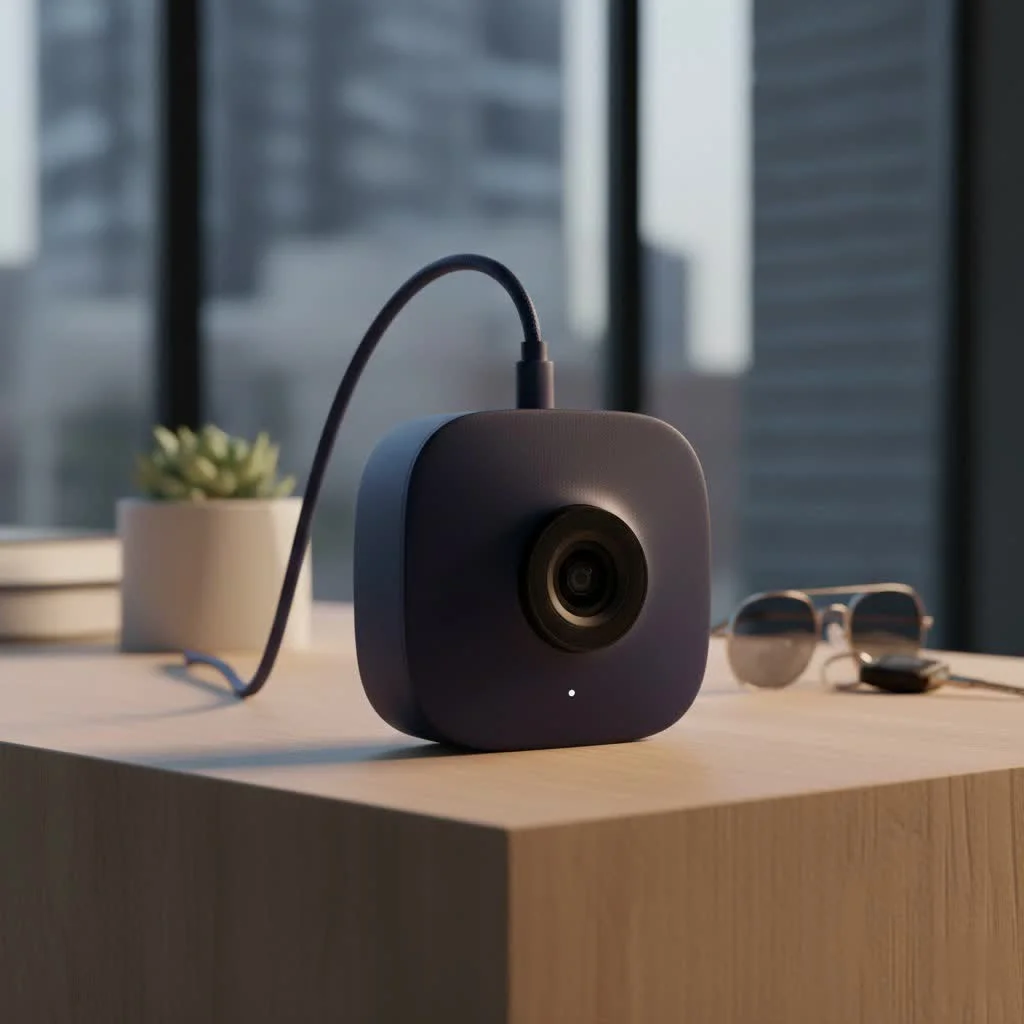
The core purpose of a dash cam is simple: to record your drive. This provides an unbiased witness in case of an accident, helps fight fraudulent insurance claims, and can even capture unexpected moments on the road. A budget-friendly model can do this job just as effectively as a premium one, as long as you know what to look for. Let’s break down how to choose a high-quality, affordable dash cam that won’t let you down.
Why You Don’t Need to Spend a Fortune
It’s easy to get caught up in spec sheets with features like 4K resolution, cloud connectivity, and advanced driver-assistance systems (ADAS). While these are nice to have, they aren’t essential for the primary function of a dash cam. The truth is, technology has advanced so much that features once considered premium are now standard in many budget models.
A solid, affordable dash cam will excel at the fundamentals:
- Recording clear video: Capturing license plates and road signs.
- Reliable operation: Automatically starting when you turn on the car.
- Saving important files: Locking footage of an incident so it isn’t overwritten.
As David Chen, lead technician at Welmb, often says, “It’s better to have a reliable 1080p dash cam that you can count on every day than a feature-packed 4K model that’s unreliable or too complicated to use.” For most drivers, a device in the $50 to $100 range provides the perfect balance of performance, reliability, and cost.
Key Features in an Affordable Dash Cam
When you’re on a budget, it’s all about focusing on the features that deliver the most value. Forget the marketing fluff and concentrate on these core specifications.
Full HD Video (1080p)
This is the absolute minimum resolution you should accept. A 1080p camera is more than capable of capturing clear, usable footage with legible details like license plates and street signs, especially during the day. While 2K or 4K offer more detail, 1080p is the sweet spot for an affordable dash cam, providing excellent quality without requiring a massive memory card or a high price tag.
Loop Recording
|
Our Picks for the Best Dash Cam in 2026
As an Amazon Associate I earn from qualifying purchases.
|
||
| Num | Product | Action |
|---|---|---|
| 1 | 4K Dash Cam Front, Built-in 5G WiFi, 64GB Card Included, Dash Camera for Cars, Mini Dashcam with Super Night Vision, Loop Recording, G-Sensor, 24 Hours Parking Monitor, Support 256GB Max |

|
| 2 | VIOFO A229 Plus Dash Cam Front and Rear, Dual STARVIS 2 Sensors, 2 Channel HDR, 1440P+1440P Voice Control Car Dash Camera, 5GHz Wi-Fi, Voice Control, Ultra-Precise GPS (SD Card Not Included) |
|
| 3 | REDTIGER 4K Dash Cam Front Rear, STARVIS 2 Sensor, Free Card Included, 5.8GHz WiFi-20MB/s Fast Download, Dash Camera for Cars with GPS, WDR Night Vision, 170°Wide Angle, 24H Parking Mode(F7NP) |
|
| 4 | REDTIGER 4K STARVIS 2 Dash Cam Front and Rear, 5GHz WiFi 20MB/s Download, 128GB Card Included, Voice Control, Dash Camera for Cars with 3.18\" Touch Screen, GPS, Loop Recording, Parking Mode(F7N Touch) |
|
| 5 | IIWEY N5 4 Channel Dash Cam 360° View, 1080P Front and Rear Inside, Left Right Dash Camera for Cars, 8 IR Lamps Night Vision, 5G WiFi & APP Control, G-Sensor, Parking Mode, with a Free 128GB SD Card |
|
| 6 | Dash Cam Front and Rear, 1080P Dash Camera for Cars, 3 Channel Car Camera Front Rear and Inside with 32GB Card, Loop Recording, Night Vision, HDR, 24Hr Parking, G-Sensor |
|
| 7 | Dash Cam Front and Rear, 2.5K+1080P Dual Dash Camera for Cars, 2’’ Display Mini Car Camera, G-Sensor Dashcam, Night Vision, 24H Parking Mode, Loop Recording, 170°Wide Angle, 32GB Card Included |
|
| 8 | Navycrest 4K Dash Cam Front and Rear with 64GB Card, Built-in 5G WiFi, Dash Camera for Cars 4K Front and 1080P Rear, Dashcams for Cars Loop Recording, Gravity Sensor, 24-Hours Parking Mode |
|
| 9 | ROVE R2-4K DUAL Dash Cam Front and Rear, STARVIS 2 Sensor, FREE 128GB Card Included, 5G WiFi - up to 20MB/s Fastest Download Speed with App, 4K 2160P/FHD Dash Camera for Cars, 3\" IPS, 24H Parking Mode |
|
| 10 | Dash Cam 1296P Front Dashcam, V300 WiFi Dash Camera for Cars with App, Night Vision, Mini Hidden Single Car Camera, Loop Recording, 24H Parking Mode, Support 256GB Max, Black |
|
Loop recording is a must-have feature that ensures your dash cam never runs out of space. It works by continuously recording video in short segments, typically 1, 3, or 5 minutes long. When the memory card is full, the camera automatically overwrites the oldest, non-essential file. This creates a seamless, set-it-and-forget-it system.
G-Sensor (Gravity Sensor)
The G-sensor is a critical safety feature. It detects sudden impacts, such as a collision or hard braking, and automatically locks the current video file. This prevents the footage from being overwritten by the loop recording feature, ensuring your evidence is safe. Every reputable dash cam, regardless of price, should have a G-sensor.
Decent Field of View (FOV)
The field of view determines how much of the road ahead the camera can capture. Look for a lens with an FOV between 140 and 170 degrees. This is wide enough to cover multiple lanes of traffic without causing a distorted, “fisheye” effect at the edges of the frame. Anything less than 130 degrees might miss important events happening in adjacent lanes.
Solid Night Vision
Accidents don’t just happen during the day. Good low-light performance is crucial. Look for cameras that use quality sensors, such as Sony’s STARVIS sensors, which are specifically designed for low-light conditions. A wide aperture (like f/1.8 or lower) also helps by allowing more light to reach the sensor, resulting in clearer nighttime video.
What You Might Miss on a Budget Model
To offer a lower price, manufacturers have to make some compromises. On an affordable dash cam, you’ll likely forego some advanced features. Understanding these trade-offs can help you decide if a budget model is right for you.
- GPS: This feature logs your vehicle’s speed and location, embedding it into the video footage. It can be useful for insurance claims but is not essential for proving what happened.
- Wi-Fi and App Connectivity: Premium dash cams often use Wi-Fi to connect to a smartphone app, making it easy to view, download, and share footage. Budget models typically require you to remove the microSD card and plug it into a computer.
- Advanced Parking Mode: While many affordable cams have a basic parking mode that records on impact, they often lack more sophisticated features like time-lapse recording or buffered recording, which captures the moments leading up to an incident.
- 4K Resolution: The highest video quality is reserved for more expensive models. As mentioned, 1080p is perfectly adequate for most situations.
- Dual-Channel (Front and Rear): Finding a reliable front and rear camera system on a tight budget can be challenging, though some value-oriented options are emerging. Most affordable models are front-facing only.
Step-by-Step Installation Guide
One of the best things about modern dash cams is their easy installation. You don’t need to be a car expert to do it yourself in under 20 minutes.
- Choose the Right Spot: Mount the dash cam on your windshield, typically behind the rearview mirror. This keeps it out of your line of sight and gives it a clear view of the road. Ensure it doesn’t obstruct any sensors for your car’s safety systems.
- Clean the Area: Use a glass cleaner or an alcohol wipe to clean the spot on the windshield where you’ll be placing the adhesive mount. This ensures a strong, lasting bond.
- Mount the Camera: Peel the backing off the adhesive pad and press the mount firmly onto the glass for about 30 seconds. Attach the camera to the mount.
- Route the Power Cable: This is the key to a clean installation. Start by plugging the power cable into the camera. Then, gently tuck the cable into the headliner (the fabric ceiling of your car) and run it along the passenger side.
- Run Down the A-Pillar: Tuck the cable into the weather stripping along the A-pillar (the post between the windshield and the passenger door). A small plastic pry tool can be helpful here, but you can often do it with just your fingers.
- Go Under the Glove Box: Continue routing the cable under the glove box and toward the 12V power outlet (the cigarette lighter). Use the included cable clips or zip ties to secure any loose wire.
- Power On: Plug the power adapter into the 12V outlet. Insert a formatted microSD card into the camera. Start your car, and the dash cam should power on and begin recording automatically.
Frequently Asked Questions (FAQ)
How much should I spend on a good affordable dash cam?
A good budget for a reliable and affordable dash cam is between $50 and $100. In this price range, you can find models with excellent 1080p video quality, a G-sensor, and loop recording from reputable brands.
Will a dash cam drain my car’s battery?
When plugged into a 12V socket that turns off with the car, a dash cam will not drain the battery. If you use a hardwire kit for parking mode, it draws a very small amount of power. Most hardwire kits have a built-in voltage monitor that shuts the camera off before the battery gets too low.
Is 1080p resolution good enough for a dash cam?
Yes, 1080p is perfectly sufficient for the primary purpose of a dash cam. It provides enough clarity to identify license plates and other crucial details in most lighting conditions, offering a great balance between video quality and file size.
Where is the best place to mount a dash cam?
The best position is high up in the center of the windshield, typically behind or next to the rearview mirror. This placement provides a clear, centered view of the road ahead without obstructing the driver’s vision.
Do I need a special microSD card for a dash cam?
It’s highly recommended to use a “high endurance” microSD card. These cards are specifically designed for the constant rewriting and harsh temperature conditions inside a car. A standard microSD card may fail prematurely.
The Smart Choice for Every Driver
You don’t have to compromise on safety just because you’re on a budget. An affordable dash cam offers essential protection and peace of mind without a hefty price tag. By focusing on core features like 1080p resolution, a G-sensor, and loop recording, you can equip your vehicle with a reliable witness that’s always on duty.
Take the time to compare models from trusted budget brands, read reviews, and choose the camera that best fits your needs. It’s a small investment that can save you from major headaches down the road. Drive smarter and safer, knowing you have every journey recorded.
Install a Dash Cam in Your Car
This guide provides step-by-step instructions for installing a modern dash cam in your vehicle, a process that typically takes under 20 minutes.
Mount the dash cam on your windshield, typically behind the rearview mirror. This keeps it out of your line of sight and gives it a clear view of the road. Ensure it doesn't obstruct any sensors for your car's safety systems.
Use a glass cleaner or an alcohol wipe to clean the spot on the windshield where you'll be placing the adhesive mount. Peel the backing off the adhesive pad and press the mount firmly onto the glass for about 30 seconds, then attach the camera.
Start by plugging the power cable into the camera. Then, gently tuck the cable into the headliner (the fabric ceiling of your car) and run it along the passenger side.
Tuck the cable into the weather stripping along the A-pillar (the post between the windshield and the passenger door). Continue routing the cable under the glove box and toward the 12V power outlet. Use included cable clips or zip ties to secure any loose wire.
Plug the power adapter into the 12V outlet. Insert a formatted microSD card into the camera. Start your car, and the dash cam should power on and begin recording automatically.
Get our weekly buyer guide
Practical specs, not advice. Unsubscribe anytime.
Totally agree that you don’t need the most expensive model. I got a basic one with 1080p and it does exactly what I need it to do: record my drive. It’s great for fighting those fraudulent claims people try to pull. Best money I’ve spent on my car in a while.
I got a dash cam after reading about how they help with insurance claims, and while mine works okay, the loop recording feature sometimes glitches out. I have to manually check it more often than I’d like to make sure it’s actually saving everything. It’s one of the cheaper ones, so maybe I got what I paid for.
I was looking for something that wouldn’t break the bank, and the advice here about the $50-$100 range was spot on. My new dash cam has a G-sensor, which was a must-have for me, and it’s already come in handy once when someone cut me off. It’s a solid investment for safety without spending a fortune.
I picked up one of the models in the $75 range that was mentioned, and it’s been fantastic. The 1080p video quality is surprisingly clear, even at night. It’s definitely given me peace of mind knowing I have an unbiased witness if anything happens on my commute. Setup was a breeze too.