In an age where our phones connect to everything from our speakers to our refrigerators, it was only a matter of time before our car’s most important accessory got a wireless upgrade. Enter the Wifi Dash Cam, a game-changing device that has quickly moved from a niche gadget to an essential tool for the modern driver. If you’ve ever fumbled with tiny memory cards or wished you could check your footage instantly after an incident, this technology is for you. It simplifies everything, giving you seamless access to your recordings right on your smartphone.
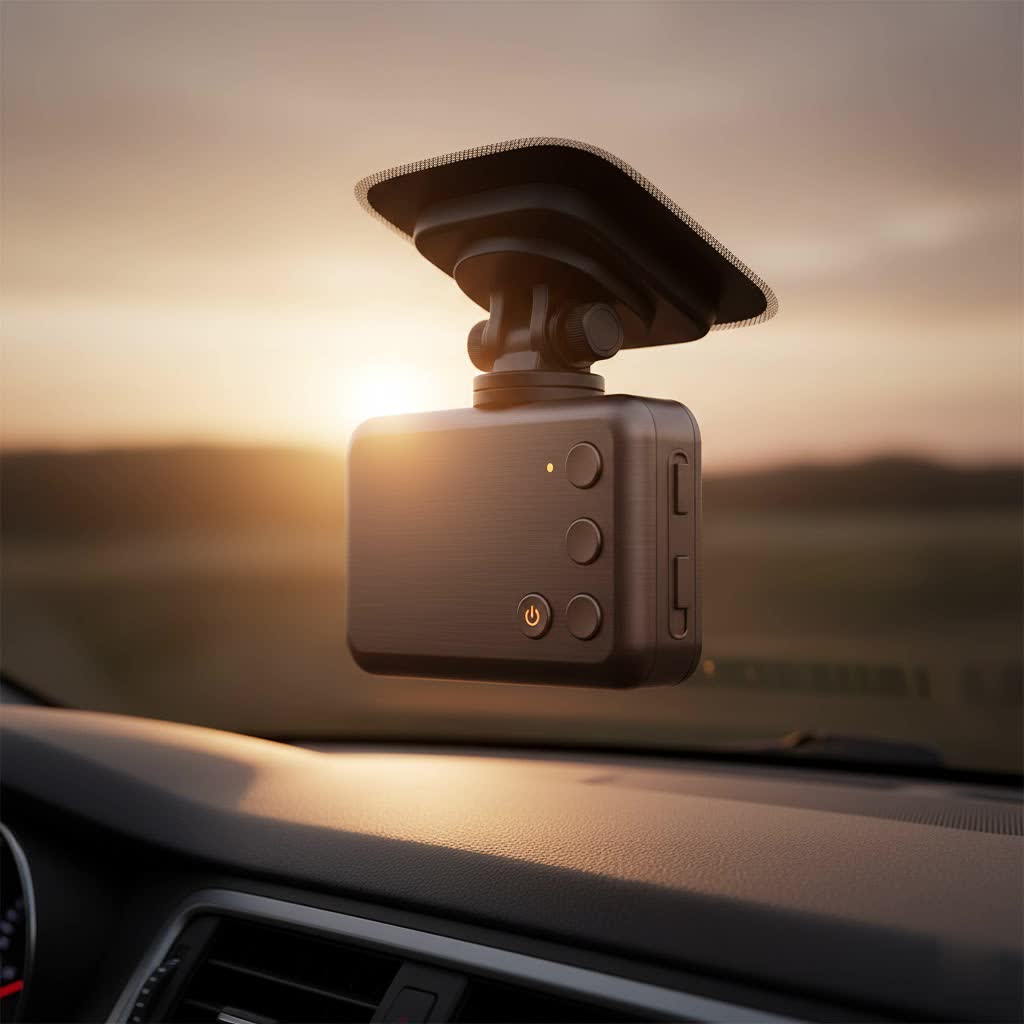
At its core, a wifi dash cam is exactly what it sounds like: a car camera that uses a built-in wifi signal to connect directly to your smartphone or tablet. This isn’t about connecting to the internet to browse the web; instead, the camera creates its own local, password-protected wifi hotspot. You simply connect your phone to this network through a dedicated app, and suddenly, you have complete control over your dash cam without ever touching it.
How Does a WiFi Dash Cam Actually Work?
Many people hear “wifi” and immediately think of an internet connection, but that’s a common misconception. A wifi dash cam doesn’t use your home internet or your phone’s data plan to function. The process is much simpler and more direct, making it incredibly reliable on the road.
The Direct WiFi Connection Explained
|
Our Picks for the Best Dash Cam in 2026
As an Amazon Associate I earn from qualifying purchases.
|
||
| Num | Product | Action |
|---|---|---|
| 1 | REDTIGER 4K Dash Cam Front Rear, STARVIS 2 Sensor, Free Card Included, 5.8GHz WiFi-20MB/s Fast Download, Dash Camera for Cars with GPS, WDR Night Vision, 170°Wide Angle, 24H Parking Mode(F7NP) |

|
| 2 | IIWEY N5 4 Channel Dash Cam 360° View, 1080P Front and Rear Inside, Left Right Dash Camera for Cars, 8 IR Lamps Night Vision, 5G WiFi & APP Control, G-Sensor, Parking Mode, with a Free 128GB SD Card |
|
| 3 | Dash Cam 1296P Front Dashcam, V300 WiFi Dash Camera for Cars with App, Night Vision, Mini Hidden Single Car Camera, Loop Recording, 24H Parking Mode, Support 256GB Max, Black |
|
| 4 | REDTIGER 4K STARVIS 2 Dash Cam Front and Rear, 5GHz WiFi 20MB/s Download, 128GB Card Included, Voice Control, Dash Camera for Cars with 3.18\" Touch Screen, GPS, Loop Recording, Parking Mode(F7N Touch) |
|
| 5 | Navycrest 4K Dash Cam Front and Rear with 64GB Card, Built-in 5G WiFi, Dash Camera for Cars 4K Front and 1080P Rear, Dashcams for Cars Loop Recording, Gravity Sensor, 24-Hours Parking Mode |
|
| 6 | 4K Dash Cam Front, Built-in 5G WiFi, 64GB Card Included, Dash Camera for Cars, Mini Dashcam with Super Night Vision, Loop Recording, G-Sensor, 24 Hours Parking Monitor, Support 256GB Max |
|
| 7 | VIOFO A229 Plus Dash Cam Front and Rear, Dual STARVIS 2 Sensors, 2 Channel HDR, 1440P+1440P Voice Control Car Dash Camera, 5GHz Wi-Fi, Voice Control, Ultra-Precise GPS (SD Card Not Included) |
|
| 8 | Dash Cam Front and Rear, 2.5K+1080P Dual Dash Camera for Cars, 2’’ Display Mini Car Camera, G-Sensor Dashcam, Night Vision, 24H Parking Mode, Loop Recording, 170°Wide Angle, 32GB Card Included |
|
| 9 | ROVE R2-4K DUAL Dash Cam Front and Rear, STARVIS 2 Sensor, FREE 128GB Card Included, 5G WiFi - up to 20MB/s Fastest Download Speed with App, 4K 2160P/FHD Dash Camera for Cars, 3\" IPS, 24H Parking Mode |
|
| 10 | Dash Cam Front and Rear, 1080P Dash Camera for Cars, 3 Channel Car Camera Front Rear and Inside with 32GB Card, Loop Recording, Night Vision, HDR, 24Hr Parking, G-Sensor |
|
Think of it like Bluetooth pairing, but with a much faster data speed. The dash cam acts as a mini-router, broadcasting its own wireless signal. This signal typically has a range of about 15-30 feet, which is more than enough to connect while you’re in or near your vehicle. You connect your smartphone to this network, enter a password, and the two devices are linked. This direct connection is what allows for the rapid transfer of large video files, something Bluetooth would struggle with.
The Role of the Smartphone App
The real magic happens within the manufacturer’s app. Once connected, the app becomes your command center. You can:
- View a Live Feed: See exactly what your camera is recording in real-time, which is perfect for adjusting the camera angle during initial setup.
- Download and Review Footage: Browse all your recorded clips on your phone. If an incident occurs, you can download the specific video file directly to your device’s storage within minutes.
- Share Videos Instantly: Need to send evidence to the police or your insurance agent? You can share clips directly from the app via email, text message, or social media.
- Change Settings: Adjust everything from video resolution and loop recording time to G-sensor sensitivity and audio recording, all from an easy-to-use interface.
Top Benefits of Using a WiFi Dash Cam
Switching to a wireless dash cam isn’t just about cutting cords; it’s about upgrading your entire experience with features that provide convenience and peace of mind.
- Instant Access to Evidence: In the stressful moments after a fender bender, the last thing you want to do is squint at a tiny screen or wait until you get home to find a computer. With wifi, you can review the footage on your phone and show it to the other party or a police officer on the spot.
- Effortless File Management: Say goodbye to the hassle of ejecting a tiny microSD card, finding an adapter, and plugging it into a laptop. Downloading videos wirelessly saves time and reduces the risk of losing the small, easy-to-misplace memory card.
- Clean and Simple Installation: While the dash cam itself still needs a power source (usually the car’s 12V outlet or fuse box), the data transfer is completely wireless. This means you don’t need any extra cables running to a display unit or your computer.
- Easy Firmware Updates: Manufacturers regularly release firmware updates to improve performance and add new features. A wifi-enabled camera allows you to download and install these updates directly through the app, ensuring your device is always running at its best.
- Remote Monitoring (on some models): Some high-end wifi dash cams with cloud connectivity can send notifications to your phone if the G-sensor detects an impact while your car is parked. This feature offers an invaluable layer of security against hit-and-runs or vandalism.
How to Choose the Best WiFi Dash Cam
With so many options on the market, selecting the right wifi dash cam can feel overwhelming. Focus on these key areas to find a model that perfectly suits your needs.
Video Quality is King
The primary job of a dash cam is to capture clear, undeniable footage. Look for a camera that records in at least 1080p (Full HD). For even greater detail, such as the ability to read license plates from a distance, consider a 2K (1440p) or 4K model. Pay attention to the frame rate as well; 30 frames per second (fps) is standard, but 60fps will provide smoother video and better clarity on fast-moving objects.
App Functionality and Ease of Use
Since the app is your main point of interaction, it needs to be well-designed and reliable. Before you buy, read reviews or watch videos about the camera’s companion app. A good app should be intuitive, stable, and connect to the camera quickly. A poorly made app can turn an otherwise great piece of hardware into a frustrating experience.
As automotive technology specialist David Chen often says, “A dash cam’s hardware can be top-of-the-line, but if the software—the app—is clunky and unreliable, the user won’t get the seamless experience they paid for. The synergy between hardware and software is everything.”
Essential Features to Look For
Beyond wifi and video quality, several other features are crucial for a modern dash cam:
- G-Sensor: This detects sudden impacts, like a collision or heavy braking, and automatically locks the current video file, preventing it from being overwritten by loop recording.
- GPS: An embedded GPS module logs your vehicle’s location and speed, embedding it into the video file. This can be crucial for providing a complete record of an incident.
- Parking Mode: This feature allows the dash cam to keep watch over your vehicle even when the engine is off. It will typically start recording if it detects motion or an impact. Note that this usually requires a hardwiring kit to draw power from the car’s battery without draining it.
- Loop Recording: All dash cams record in a continuous loop, overwriting the oldest files with the newest ones when the memory card is full. This ensures you never run out of space.
Frequently Asked Questions (FAQ)
Does a wifi dash cam use my mobile data?
No, it does not. The camera creates its own local wifi network that your phone connects to. This connection is used for direct file transfers and does not require an internet connection or use your cellular data plan.
Is the wifi connection secure?
Yes, the wifi networks created by dash cams are password-protected. To access the camera’s feed or files, a user must have the password, which you can typically change within the app’s settings for added security.
What is the range of the wifi signal?
The range is usually between 15 and 30 feet (5-10 meters). This is more than enough to connect from the driver’s seat or while standing next to your car, but it is not designed for long-range remote viewing unless you have a specific cloud-enabled model.
Can I connect my phone to the internet while connected to the dash cam?
This depends on your smartphone’s operating system. Some phones can use cellular data for internet access while connected to a non-internet wifi source, while others may disable it. However, you typically only need to be connected to the dash cam for short periods to download a file or change settings.
Do I still need a memory card with a wifi dash cam?
Absolutely. The camera records all footage directly onto a microSD card. The wifi feature is purely for accessing what’s on the card, not for recording. Always invest in a high-endurance microSD card designed for the constant rewriting that dash cams perform.
The Final Verdict
A wifi dash cam is more than just a convenience; it’s a significant upgrade in safety and functionality. The ability to instantly access, review, and share critical footage from your smartphone removes barriers when you need evidence the most. It transforms the dash cam from a passive recording device into an interactive safety tool that is seamlessly integrated with the technology you already use every day. By choosing a model with excellent video quality and a user-friendly app, you’re not just buying a camera—you’re investing in peace of mind for every journey.
