Navigating the crowded market for the Best Dash Cam Camera can feel like driving in rush hour traffic—overwhelming and confusing. As a specialist with over 15 years of hands-on experience at Welmb.com, I’ve installed and tested hundreds of models in just about every car you can imagine. The right dash cam is more than just a gadget; it’s an impartial witness, a safety net, and sometimes, the key to saving thousands on insurance claims. Whether you’re a daily commuter, a rideshare professional, or a weekend road-tripper, this guide will steer you through the essential features and top models to find the perfect co-pilot for your journey.
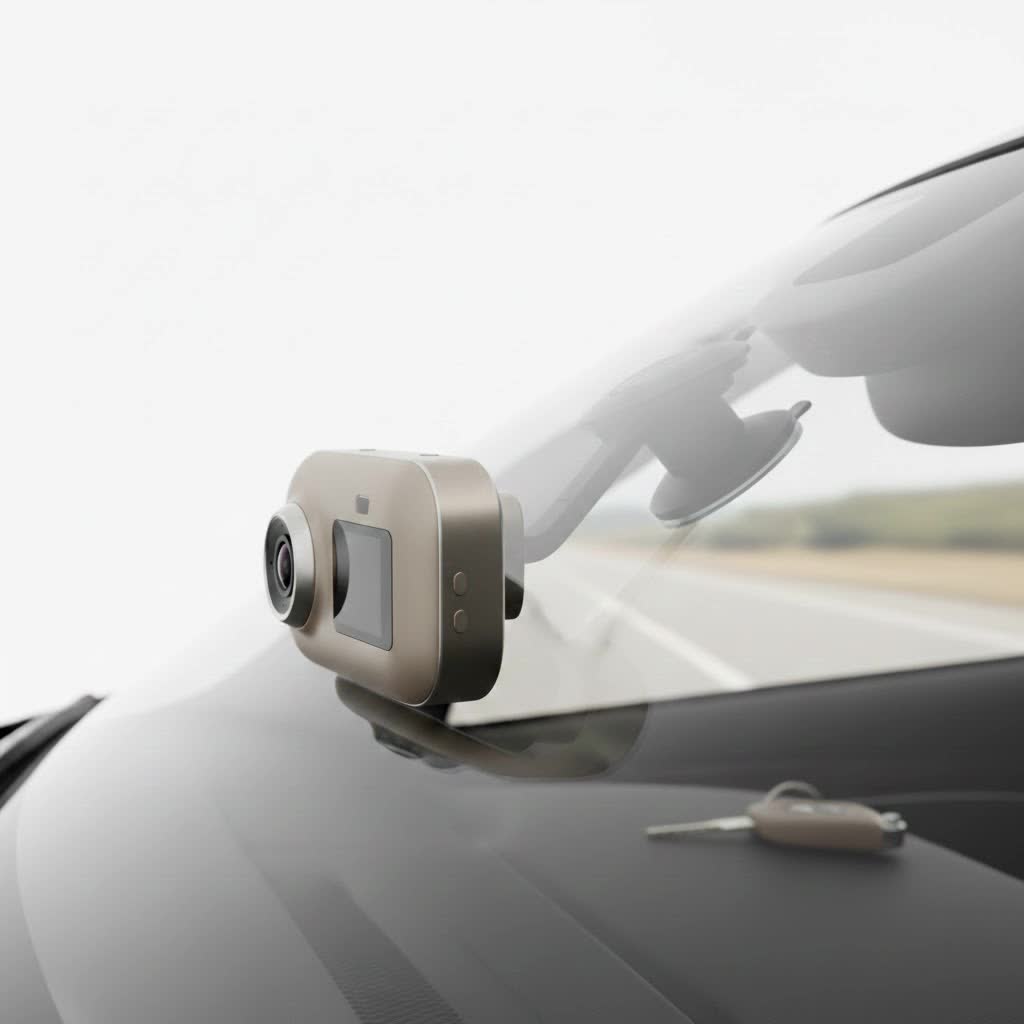
Why Every Driver Needs a Dash Cam Camera
In today’s world, a dash cam camera is no longer a luxury but a necessity. The primary reason is undeniable: irrefutable evidence. In the unfortunate event of an accident, footage from your dash cam provides a clear, unbiased account of what happened. This can be crucial for insurance claims and legal disputes, potentially saving you from unfair liability. Beyond accidents, these cameras can capture unexpected events on the road, deter theft and vandalism when parked, and even help you improve your own driving habits. For professional drivers, a cabin-facing camera adds an extra layer of security and accountability.
Understanding the Different Types of Dash Cam Cameras
Choosing the best dash cam camera starts with understanding the different configurations available. Each type offers a specific level of coverage tailored to different needs.
Single-Channel (Forward-Facing)
|
Our Picks for the Best Dash Cam in 2026
As an Amazon Associate I earn from qualifying purchases.
|
||
| Num | Product | Action |
|---|---|---|
| 1 | REDTIGER 4K STARVIS 2 Dash Cam Front and Rear, 5GHz WiFi 20MB/s Download, 128GB Card Included, Voice Control, Dash Camera for Cars with 3.18\" Touch Screen, GPS, Loop Recording, Parking Mode(F7N Touch) |

|
| 2 | Dash Cam Front and Rear, 2.5K+1080P Dual Dash Camera for Cars, 2’’ Display Mini Car Camera, G-Sensor Dashcam, Night Vision, 24H Parking Mode, Loop Recording, 170°Wide Angle, 32GB Card Included |
|
| 3 | ROVE R2-4K DUAL Dash Cam Front and Rear, STARVIS 2 Sensor, FREE 128GB Card Included, 5G WiFi - up to 20MB/s Fastest Download Speed with App, 4K 2160P/FHD Dash Camera for Cars, 3\" IPS, 24H Parking Mode |
|
| 4 | Dash Cam 1296P Front Dashcam, V300 WiFi Dash Camera for Cars with App, Night Vision, Mini Hidden Single Car Camera, Loop Recording, 24H Parking Mode, Support 256GB Max, Black |
|
| 5 | REDTIGER 4K Dash Cam Front Rear, STARVIS 2 Sensor, Free Card Included, 5.8GHz WiFi-20MB/s Fast Download, Dash Camera for Cars with GPS, WDR Night Vision, 170°Wide Angle, 24H Parking Mode(F7NP) |
|
| 6 | Dash Cam Front and Rear, 1080P Dash Camera for Cars, 3 Channel Car Camera Front Rear and Inside with 32GB Card, Loop Recording, Night Vision, HDR, 24Hr Parking, G-Sensor |
|
| 7 | VIOFO A229 Plus Dash Cam Front and Rear, Dual STARVIS 2 Sensors, 2 Channel HDR, 1440P+1440P Voice Control Car Dash Camera, 5GHz Wi-Fi, Voice Control, Ultra-Precise GPS (SD Card Not Included) |
|
| 8 | IIWEY N5 4 Channel Dash Cam 360° View, 1080P Front and Rear Inside, Left Right Dash Camera for Cars, 8 IR Lamps Night Vision, 5G WiFi & APP Control, G-Sensor, Parking Mode, with a Free 128GB SD Card |
|
| 9 | 4K Dash Cam Front, Built-in 5G WiFi, 64GB Card Included, Dash Camera for Cars, Mini Dashcam with Super Night Vision, Loop Recording, G-Sensor, 24 Hours Parking Monitor, Support 256GB Max |
|
| 10 | Navycrest 4K Dash Cam Front and Rear with 64GB Card, Built-in 5G WiFi, Dash Camera for Cars 4K Front and 1080P Rear, Dashcams for Cars Loop Recording, Gravity Sensor, 24-Hours Parking Mode |
|
This is the most common and basic type of dash cam. It consists of a single lens that records the road ahead of you. It’s simple to install and operate, making it an excellent choice for drivers who primarily want to document accidents or incidents that occur in front of their vehicle.
Dual-Channel (Front and Rear)
A dual-channel system includes two cameras: one for the front and a smaller, secondary camera for the rear windshield. This setup provides comprehensive coverage of events happening both in front of and behind your vehicle, which is invaluable for capturing rear-end collisions—one of the most common types of accidents.
Three-Channel (Front, Rear, and Cabin)
Offering the most complete coverage, a three-channel dash cam adds an interior-facing camera to the front and rear setup. This is the gold standard for rideshare drivers or anyone who wants a complete record of what happens inside the car. The cabin camera often includes infrared LEDs for clear recording at night.
Key Features to Look for in the Best Dash Cam Camera
Once you’ve decided on the type of coverage you need, it’s time to look at the features that separate a good dash cam from a great one.
- Video Quality: Resolution is paramount. While 1080p (Full HD) is the minimum standard, 2K (1440p) and 4K (2160p) resolutions offer significantly more detail. Higher resolution makes it easier to read license plates and street signs, which can be critical. Look for a frame rate of at least 30 frames per second (fps), with 60fps providing smoother footage, especially at high speeds.
- Loop Recording: This is a fundamental feature for any dash cam. It continuously records video in short segments (e.g., 1, 3, or 5 minutes). When the memory card is full, the camera automatically overwrites the oldest, unsaved files, ensuring you never run out of space.
- G-Sensor: The G-sensor, or accelerometer, detects sudden impacts, such as a collision or harsh braking. When triggered, it automatically locks the current video file, protecting it from being overwritten by the loop recording feature. This ensures your crucial evidence is always saved.
- GPS: Built-in GPS logging embeds your vehicle’s location and speed data into the video footage. This information provides vital context to an incident and can be used to verify your location and how fast you were traveling at the time of an event.
- Parking Mode: This feature provides surveillance while your car is parked and turned off. When the G-sensor detects a bump or impact, the camera will wake up and start recording, capturing potential hit-and-runs or vandalism. For this to work effectively, the dash cam typically needs to be hardwired to the car’s battery or use an external battery pack.
- Wi-Fi and App Connectivity: Modern dash cams often come with built-in Wi-Fi, allowing you to connect the camera to your smartphone via a dedicated app. This makes it incredibly easy to review, download, and share footage without needing to remove the microSD card and transfer files to a computer.
How to Choose the Right Dash Cam for Your Needs
The best dash cam camera for you depends entirely on your driving habits and priorities.
For the Everyday Commuter
A reliable single or dual-channel dash cam with at least 1080p resolution, a G-sensor, and loop recording is usually sufficient. Models like the Garmin Dash Cam Mini 2 are excellent because they are compact, simple to use, and capture high-quality footage without being distracting.
For Rideshare Drivers
Your safety and liability are paramount. A three-channel system is non-negotiable. Look for a model like the Vantrue N4 or Viofo A229 Pro, which offer excellent front, rear, and interior recording, often with infrared night vision for clear cabin footage in the dark.
For Tech Enthusiasts and Fleet Vehicles
For those who want the best of the best or need to manage multiple vehicles, a 4K dash cam with advanced features is the way to go. The Viofo A329S is a top contender, offering superb 4K video quality, Wi-Fi connectivity, and robust performance. For fleet management, models with cloud connectivity, like the Nextbase iQ, allow for remote viewing and tracking.
Our Top Picks for the Best Dash Cam Camera in 2025
After extensive testing, here are our top recommendations for various needs and budgets.
| Category | Model | Key Features | Why We Like It |
|---|---|---|---|
| Best Overall | Viofo A329S | 4K Front, 2K Rear, Wi-Fi 6, SSD compatibility | Unmatched 4K video quality at 60fps, robust build, and fast file transfers make it a premium, reliable choice. |
| Best Value | Vantrue E1 Pro | 4K Resolution, Compact Design, GPS | Delivers sharp 4K footage in a small, easy-to-install package at a very competitive price point. |
| Best Budget | Garmin Dash Cam Mini 2 | 1080p Resolution, Extremely Compact | Its tiny size makes it virtually invisible behind the rearview mirror, offering a “set it and forget it” experience. |
| Best for Rideshare | Vantrue N4 | 3-Channel Recording, Infrared Night Vision | Provides comprehensive coverage with excellent night performance inside the cabin, ensuring driver and passenger safety. |
| Best Smart Features | Nextbase iQ | 4K, Cloud Connectivity, Voice Control, Witness Mode | Acts as a smart security system for your car with live view, smart alerts, and emergency services integration. |
“In my 15 years in this industry, the single biggest mistake I see people make is buying a cheap, unreliable camera,” notes Johnathan Miles, lead content creator for Welmb.com. “The best dash cam camera isn’t just about recording a crash; it’s about reliably capturing the details that prove your innocence. Investing in quality resolution and a trusted brand is the best insurance you can buy.”
Frequently Asked Questions (FAQ)
Does a dash cam drain the car battery?
If plugged into a 12V socket that turns off with the ignition, a dash cam won’t drain your battery. For parking mode, which requires constant power, it’s essential to use a hardwire kit with a voltage cutoff feature or a dedicated battery pack to prevent draining your car’s main battery.
How much storage do I need for a dash cam?
This depends on video resolution and how much you drive. For 1080p recording, a 32GB or 64GB card is often sufficient for a day’s worth of driving. For 4K cameras, a 128GB or 256GB card is recommended. Always use a high-endurance microSD card designed for constant rewriting.
Is it difficult to install a dash cam?
Basic installation is very easy. Most dash cams mount to the windshield with an adhesive pad or suction cup and are powered by a cable that plugs into your car’s 12V outlet. Hiding the wire along the headliner and door trim takes a few extra minutes but creates a clean look. Hardwiring for parking mode is more complex and may require professional installation.
Can I use a dash cam in any car?
Yes, dash cams are universally compatible and can be installed in virtually any car, truck, or SUV. The mounting and power connection process is standard across all vehicles.
What happens when the memory card is full?
Thanks to the loop recording feature, you don’t have to do anything. The dash cam will automatically begin recording over the oldest unlocked video files, so it never stops recording as long as it has power.
Your Silent Witness on the Road
Choosing the best dash cam camera is a proactive step towards safer, more secure driving. From providing indisputable evidence in an accident to monitoring your vehicle while it’s parked, this small device offers immense peace of mind. By considering your specific needs—whether you’re a daily commuter or a professional driver—and focusing on key features like video quality, a G-sensor, and parking mode, you can confidently select a model that will serve as your reliable witness on the road. Drive safely, and let your dash cam handle the rest.
