A dash cam is one of the most important accessories you can add to your vehicle, offering peace of mind and crucial evidence in case of an incident. However, to unlock its full potential, a standard 12V cigarette lighter adapter just won’t cut it. That’s where a Dash Cam Hardwire Kit comes in. It’s the key to a cleaner installation and, more importantly, enabling advanced features like 24/7 parking surveillance. This guide will walk you through everything you need to know, from choosing the right kit to a detailed installation process.
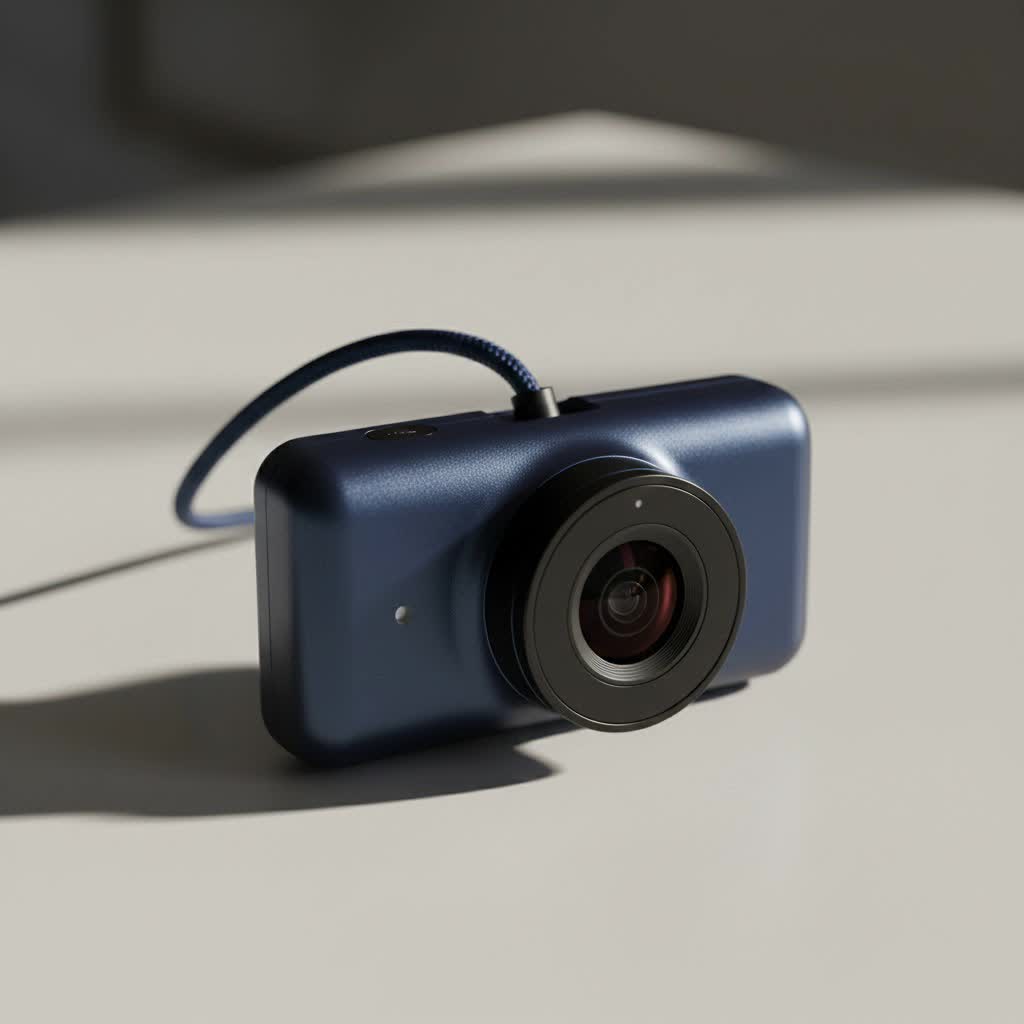
As a professional with over 15 years of hands-on experience, I’ve seen how a proper installation can make all the difference. A hardwire kit isn’t just an accessory; it’s a fundamental upgrade that transforms your dash cam from a simple recording device into a comprehensive security system for your car.
What Exactly is a Dash Cam Hardwire Kit?
A dash cam hardwire kit is a power adapter that connects your dash cam directly to your car’s fuse box. This provides a constant source of power, allowing the camera to operate even when the engine is turned off. It replaces the standard 12V power cable that plugs into your car’s accessory socket, offering a more permanent and seamless integration.
The kit typically consists of three main wires:
- A constant power wire (BATT): This connects to a fuse that always has power, even when the car is off. This is essential for parking mode.
- An accessory power wire (ACC): This connects to a fuse that only receives power when the ignition is turned on. This tells the dash cam to switch between normal driving mode and parking mode.
- A ground wire (GND): This attaches to a metal point on the car’s chassis to complete the electrical circuit.
Key Benefits of Hardwiring Your Dash Cam
Why go through the trouble of hardwiring? The advantages are significant and extend beyond just tidying up your dashboard.
- Unlocks Parking Mode: This is the primary reason most people choose a hardwire kit. Parking mode allows your dash cam to monitor your vehicle for impacts or motion when it’s parked, providing crucial evidence in case of a hit-and-run or vandalism.
- A Clean, Professional Installation: Say goodbye to dangling wires. Hardwiring allows you to tuck the power cable neatly behind your car’s trim, creating a factory-installed look that is both aesthetically pleasing and less distracting.
- Frees Up Your 12V Socket: Your car’s accessory socket remains available to charge your phone or power other devices without needing a clunky adapter.
- Built-in Battery Protection: Reputable hardwire kits come with a low-voltage cutoff feature. This automatically cuts power to the dash cam if it detects your car’s battery voltage has dropped to a certain level, preventing it from being drained.
|
Our Picks for the Best Dash Cam in 2026
As an Amazon Associate I earn from qualifying purchases.
|
||
| Num | Product | Action |
|---|---|---|
| 1 | IIWEY N5 4 Channel Dash Cam 360° View, 1080P Front and Rear Inside, Left Right Dash Camera for Cars, 8 IR Lamps Night Vision, 5G WiFi & APP Control, G-Sensor, Parking Mode, with a Free 128GB SD Card |

|
| 2 | 4K Dash Cam Front, Built-in 5G WiFi, 64GB Card Included, Dash Camera for Cars, Mini Dashcam with Super Night Vision, Loop Recording, G-Sensor, 24 Hours Parking Monitor, Support 256GB Max |
|
| 3 | REDTIGER 4K STARVIS 2 Dash Cam Front and Rear, 5GHz WiFi 20MB/s Download, 128GB Card Included, Voice Control, Dash Camera for Cars with 3.18\" Touch Screen, GPS, Loop Recording, Parking Mode(F7N Touch) |
|
| 4 | Dash Cam Front and Rear, 2.5K+1080P Dual Dash Camera for Cars, 2’’ Display Mini Car Camera, G-Sensor Dashcam, Night Vision, 24H Parking Mode, Loop Recording, 170°Wide Angle, 32GB Card Included |
|
| 5 | Navycrest 4K Dash Cam Front and Rear with 64GB Card, Built-in 5G WiFi, Dash Camera for Cars 4K Front and 1080P Rear, Dashcams for Cars Loop Recording, Gravity Sensor, 24-Hours Parking Mode |
|
| 6 | Dash Cam Front and Rear, 1080P Dash Camera for Cars, 3 Channel Car Camera Front Rear and Inside with 32GB Card, Loop Recording, Night Vision, HDR, 24Hr Parking, G-Sensor |
|
| 7 | Dash Cam 1296P Front Dashcam, V300 WiFi Dash Camera for Cars with App, Night Vision, Mini Hidden Single Car Camera, Loop Recording, 24H Parking Mode, Support 256GB Max, Black |
|
| 8 | VIOFO A229 Plus Dash Cam Front and Rear, Dual STARVIS 2 Sensors, 2 Channel HDR, 1440P+1440P Voice Control Car Dash Camera, 5GHz Wi-Fi, Voice Control, Ultra-Precise GPS (SD Card Not Included) |
|
| 9 | ROVE R2-4K DUAL Dash Cam Front and Rear, STARVIS 2 Sensor, FREE 128GB Card Included, 5G WiFi - up to 20MB/s Fastest Download Speed with App, 4K 2160P/FHD Dash Camera for Cars, 3\" IPS, 24H Parking Mode |
|
| 10 | REDTIGER 4K Dash Cam Front Rear, STARVIS 2 Sensor, Free Card Included, 5.8GHz WiFi-20MB/s Fast Download, Dash Camera for Cars with GPS, WDR Night Vision, 170°Wide Angle, 24H Parking Mode(F7NP) |
|
Choosing the Right Dash Cam Hardwire Kit
Not all hardwire kits are created equal. Selecting the right one is crucial for compatibility and safety. Here’s what to consider:
1. Dash Cam Compatibility
First and foremost, ensure the kit is compatible with your specific dash cam model. Most manufacturers, like BlackVue, Thinkware, and Vantrue, sell their own branded kits. While some universal kits exist, using the one designed for your camera is always the safest bet to ensure proper voltage and connection.
2. Fuse Type
Cars use different types of fuses. You need to identify which type your vehicle has before purchasing a kit. The most common types are:
- ATO (Standard/Regular)
- Mini (APM/ATM)
- Low-Profile Mini (APS/ATT)
- Micro2 (APT/ATR)
Most hardwire kits come with a set of “add-a-fuse” taps for each type, but it’s wise to check your vehicle’s fuse box first to be certain.
3. Adjustable Voltage Cutoff
A quality kit will have an adjustable low-voltage cutoff. This feature lets you set the voltage threshold at which the kit will stop drawing power. For most 12V car batteries, a setting of 12.0V or 12.2V is a safe choice to ensure you have enough power left to start your engine.
How to Install a Dash Cam Hardwire Kit: A Step-by-Step Guide
While the process might seem intimidating, installing a dash cam hardwire kit is a manageable DIY project for most people with basic tools and a bit of patience.
“Take your time and double-check your connections,” advises Alex Carter, an automotive electrical specialist. “A proper hardwire installation is not only about function but also about the long-term safety of your vehicle’s electrical system. Rushing is the most common cause of simple mistakes.”
Tools You’ll Need:
- The dash cam hardwire kit
- A circuit tester or multimeter
- A fuse puller (often included in your car’s fuse box)
- A plastic trim removal tool
- A socket wrench or pliers (for the ground connection)
Step 1: Locate Your Vehicle’s Fuse Box
Your car’s interior fuse box is typically located under the dashboard on the driver’s side, in the glove compartment, or at the end of the dashboard accessible when the driver’s door is open. Consult your vehicle’s owner’s manual for the exact location.
Step 2: Identify the Correct Fuses
This is the most critical step. You need to find two specific types of fuses:
- A Constant Fuse: This fuse has power at all times. Common examples include fuses for hazard lights, interior lights, or the horn.
- An Accessory (ACC) Fuse: This fuse only has power when the key is in the “On” or “Accessory” position. Examples include fuses for the radio, cigarette lighter, or sunroof.
Use your circuit tester to identify them. Ground the tester to a metal part of the car, then probe the small metal contacts on top of each fuse.
- For a constant fuse, the tester should light up with the engine off.
- For an ACC fuse, the tester should only light up when you turn the car’s ignition on.
Step 3: Connect the Wires Using Add-a-Fuse Taps
Once you’ve identified the fuses, turn off the car.
- Use the fuse puller to remove your chosen constant fuse.
- Insert that fuse into the empty slot on your add-a-fuse tap.
- Insert the new fuse that came with the kit into the other slot on the tap.
- Plug the add-a-fuse tap into the original fuse slot.
- Connect the red wire (BATT) from your hardwire kit to the add-a-fuse tap.
- Repeat this entire process for the ACC fuse and the yellow wire (ACC).
Step 4: Secure the Ground Wire
Find a metal bolt or screw connected directly to the car’s chassis. Loosen it slightly, slide the C-shaped connector of the black ground wire (GND) underneath, and tighten it securely. A good ground connection is essential for the circuit to work. Avoid bolts that are attached to plastic components.
Step 5: Route the Power Cable to the Dash Cam
This is where the trim tool comes in handy.
- Start from the fuse box and gently pry open the plastic trim along the A-pillar (the pillar between the windshield and the driver’s door).
- Tuck the cable inside, running it up towards the headliner. Be careful to route it behind any airbags.
- Continue tucking the cable along the edge of the headliner until you reach the desired mounting location for your dash cam, typically behind the rearview mirror.
- Leave just enough slack to comfortably plug the cable into your dash cam.
Step 6: Test the Connection
Before closing everything up, plug the cable into your dash cam and test the installation.
- Turn the ignition on. The dash cam should power up and start recording in normal mode.
- Turn the ignition off. The dash cam should announce it is entering parking mode (if it has this feature).
If everything works as expected, neatly bundle any excess wire with a zip tie, put all trim pieces back in place, and close the fuse box cover.
Frequently Asked Questions (FAQ)
Will a dash cam hardwire kit drain my car battery?
No, a properly installed kit with a low-voltage cutoff feature is designed to prevent this. It will automatically shut off the dash cam if your car’s battery voltage drops below a preset safe level, ensuring you can always start your car.
Can I install a hardwire kit myself, or should I hire a professional?
For many people, this is a very achievable DIY project. However, if you are not comfortable working with your car’s electrical system, it’s always best to hire a professional auto electrician or car audio installer.
What happens if I connect the BATT and ACC wires incorrectly?
If you swap the constant and accessory wires, your dash cam’s parking mode will not function correctly. The camera may not switch modes properly or may shut off entirely when you turn off the car. It is unlikely to cause permanent damage but will not work as intended.
How much does professional installation cost?
The cost can vary depending on your location and the complexity of your vehicle, but you can typically expect to pay between $50 and $150 for a professional installation.
Do I need a hardwire kit if I don’t care about parking mode?
While parking mode is the main benefit, a hardwire kit still offers a much cleaner and more permanent installation by eliminating wires from your dashboard and freeing up your 12V power outlet.
Conclusion: The Definitive Upgrade for Your Dash Cam
Upgrading to a dash cam hardwire kit is more than just an installation choice; it’s a decision to fully leverage the security capabilities of your device. It provides a reliable power source, unlocks 24/7 surveillance through parking mode, and creates a seamless, factory-finish look inside your car. By following the steps in this guide, you can confidently install a hardwire kit and ensure your vehicle is protected around the clock. Don’t let your dash cam’s potential be limited by a simple power cord—make the switch and drive with complete peace of mind.
