In my 15 years of working with vehicle electronics, I’ve seen it all. From simple fender-benders that turn into heated “he-said, she-said” debates to brazen attempts at insurance fraud, the road can be an unpredictable place. That’s where a silent, impartial witness comes in. Finding the best dash cam for your car is no longer a gadget for the tech-savvy; it’s an essential piece of equipment for every driver. It provides peace of mind, irrefutable evidence, and a layer of security that you’ll be thankful for when you need it most. This guide will cut through the technical jargon and help you choose the perfect co-pilot for your journeys.
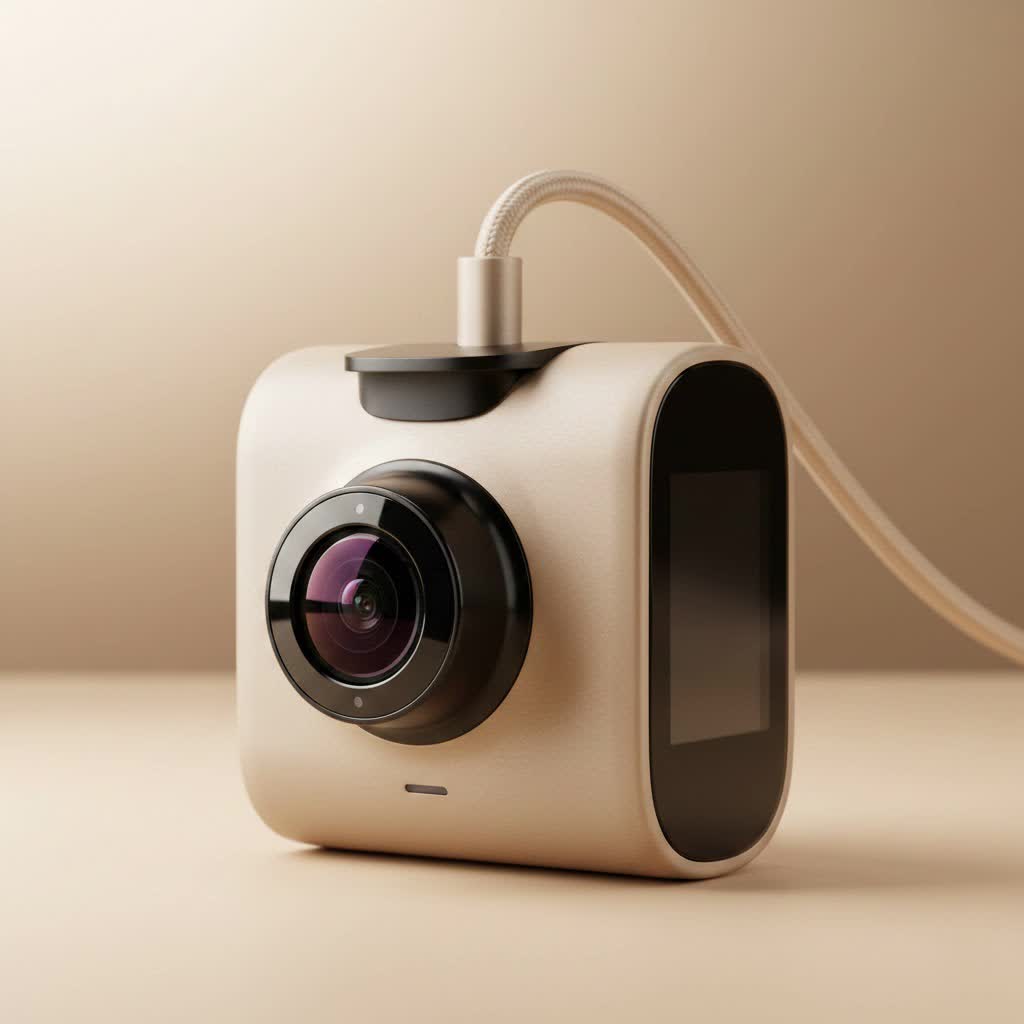
Why a Dash Cam is a Modern Driving Necessity
Think of a dash cam as your personal black box. Its primary job is to record everything that happens on the road, but its benefits extend far beyond that. In the event of an accident, the footage is invaluable for insurance claims and legal disputes, clearly showing who was at fault. It’s a powerful deterrent against road rage incidents and “crash-for-cash” scams. Furthermore, with features like parking mode, a good dash cam can even stand guard over your vehicle while you’re away.
As my colleague at Welmb, automotive tech specialist Alex Carver, often says, “The best time to install a dash cam was yesterday. The second-best time is now. It’s an investment that pays for itself the first time you need it.”
Understanding the Main Types of Dash Cams
Before diving into features, it’s crucial to understand the different configurations available. The right one for you depends on your vehicle, your driving habits, and what you want to protect.
Single-Channel (Forward-Facing)
This is the most common and straightforward type of dash cam. It mounts to your windshield and records the road ahead.
- Best for: The everyday commuter who wants a simple, effective solution for recording accidents and events happening in front of them.
- Pros: Generally more affordable and easier to install.
- Cons: Offers no visibility of what’s happening behind or inside the vehicle.
|
Our Picks for the Best Dash Cam in 2026
As an Amazon Associate I earn from qualifying purchases.
|
||
| Num | Product | Action |
|---|---|---|
| 1 | VIOFO A229 Plus Dash Cam Front and Rear, Dual STARVIS 2 Sensors, 2 Channel HDR, 1440P+1440P Voice Control Car Dash Camera, 5GHz Wi-Fi, Voice Control, Ultra-Precise GPS (SD Card Not Included) |

|
| 2 | REDTIGER 4K STARVIS 2 Dash Cam Front and Rear, 5GHz WiFi 20MB/s Download, 128GB Card Included, Voice Control, Dash Camera for Cars with 3.18\" Touch Screen, GPS, Loop Recording, Parking Mode(F7N Touch) |
|
| 3 | Navycrest 4K Dash Cam Front and Rear with 64GB Card, Built-in 5G WiFi, Dash Camera for Cars 4K Front and 1080P Rear, Dashcams for Cars Loop Recording, Gravity Sensor, 24-Hours Parking Mode |
|
| 4 | REDTIGER 4K Dash Cam Front Rear, STARVIS 2 Sensor, Free Card Included, 5.8GHz WiFi-20MB/s Fast Download, Dash Camera for Cars with GPS, WDR Night Vision, 170°Wide Angle, 24H Parking Mode(F7NP) |
|
| 5 | ROVE R2-4K DUAL Dash Cam Front and Rear, STARVIS 2 Sensor, FREE 128GB Card Included, 5G WiFi - up to 20MB/s Fastest Download Speed with App, 4K 2160P/FHD Dash Camera for Cars, 3\" IPS, 24H Parking Mode |
|
| 6 | 4K Dash Cam Front, Built-in 5G WiFi, 64GB Card Included, Dash Camera for Cars, Mini Dashcam with Super Night Vision, Loop Recording, G-Sensor, 24 Hours Parking Monitor, Support 256GB Max |
|
| 7 | IIWEY N5 4 Channel Dash Cam 360° View, 1080P Front and Rear Inside, Left Right Dash Camera for Cars, 8 IR Lamps Night Vision, 5G WiFi & APP Control, G-Sensor, Parking Mode, with a Free 128GB SD Card |
|
| 8 | Dash Cam 1296P Front Dashcam, V300 WiFi Dash Camera for Cars with App, Night Vision, Mini Hidden Single Car Camera, Loop Recording, 24H Parking Mode, Support 256GB Max, Black |
|
| 9 | Dash Cam Front and Rear, 2.5K+1080P Dual Dash Camera for Cars, 2’’ Display Mini Car Camera, G-Sensor Dashcam, Night Vision, 24H Parking Mode, Loop Recording, 170°Wide Angle, 32GB Card Included |
|
| 10 | Dash Cam Front and Rear, 1080P Dash Camera for Cars, 3 Channel Car Camera Front Rear and Inside with 32GB Card, Loop Recording, Night Vision, HDR, 24Hr Parking, G-Sensor |
|
Dual-Channel (Front and Rear)
A dual-channel system includes two cameras: one for the front and a smaller one for the rear window. They record simultaneously, providing comprehensive coverage.
- Best for: Anyone wanting complete protection from front and rear-end collisions. This is the most popular choice for safety-conscious drivers.
- Pros: Captures rear-end impacts, which are extremely common.
- Cons: The rear camera requires running a wire through the length of the car, making installation slightly more complex.
3-Channel (Front, Rear, and Interior)
This setup adds a third camera that records the vehicle’s cabin. It’s the ultimate in all-around surveillance.
- Best for: Rideshare (Uber, Lyft) drivers, taxi drivers, or parents who want to keep an eye on new teenage drivers.
- Pros: Provides a complete record of everything happening in and around the car. The interior camera often includes infrared for clear night vision.
- Cons: Can feel intrusive for private use; represents the most complex installation.
What Key Features Make the Best Dash Cam For Your Car?
The spec sheet of a dash cam can be overwhelming. Let’s break down the features that truly matter in real-world use.
- Video Quality (Resolution): This is non-negotiable. The primary purpose of a dash cam is to capture details like license plates.
- Full HD (1080p): This is the absolute minimum standard you should accept. It provides clear footage for most daytime conditions.
- 4K (2160p): Offers superior clarity, especially at a distance or in low light, making it much easier to read signs and license plates. While more expensive, the investment in detail can be critical.
- Loop Recording: Every modern dash cam has this feature. It continuously records video in small segments (e.g., 1, 3, or 5 minutes). When the memory card is full, it automatically overwrites the oldest, non-essential file, ensuring you never run out of space.
- G-Sensor (Incident Detection): This built-in accelerometer detects sudden impacts, swerving, or hard braking. When triggered, it automatically locks the current video file, protecting it from being overwritten by the loop recording feature. This ensures your critical accident footage is always saved.
- Parking Mode: This feature allows the dash cam to monitor your vehicle even when the engine is off. It requires a continuous power source, usually through a hardwire kit connected to the car’s fuse box. When it detects an impact or motion (depending on the model), it will wake up and record the event.
- GPS: An integrated GPS module embeds your vehicle’s location and speed data into the video footage. This provides crucial context for any incident, confirming where and how fast you were traveling.
- Capacitor vs. Battery: Dash cams use either a small internal battery or a supercapacitor for power.
Expert Warning: For vehicles in hot climates, always choose a capacitor-based dash cam. Lithium-ion batteries can swell and fail in extreme heat, posing a safety risk. Capacitors are far more durable and heat-resistant.
- Wi-Fi and App Connectivity: This allows you to connect your smartphone directly to the dash cam. Through a dedicated app, you can easily view, download, and share footage without needing to remove the microSD card and use a computer.
How to Install Your New Dash Cam
While professional installation is always an option, a basic setup is a straightforward DIY project for most people.
- Choose the Location: Mount the dash cam on the windshield behind the rearview mirror. This spot keeps it out of your line of sight and provides a central, clear view of the road. Ensure it doesn’t obstruct any of the car’s built-in safety sensors.
- Clean the Area: Thoroughly clean the glass with an alcohol wipe to ensure the adhesive mount sticks securely.
- Route the Power Cable: This is the key to a clean installation. Tuck the power cable into the headliner, down the A-pillar (the trim alongside the windshield), under the glove box, and finally to the 12V power outlet. Most dash cams come with a trim tool to make this easy.
- Connect the Rear Camera (if applicable): For dual-channel systems, route the rear camera cable similarly along the headliner to the back of the car and mount the camera at the top-center of the rear window.
- Insert SD Card and Power On: Insert a high-endurance microSD card, start the car to power on the dash cam, and format the card using the camera’s menu. Check the camera’s live view on its screen or via the app to confirm the viewing angle is correct.
Frequently Asked Questions (FAQ)
How much should I spend on a dash cam?
You can find basic, reliable dash cams for under $100. Mid-range models with more features like Wi-Fi and GPS typically fall in the $150-$250 range. High-end 4K systems with advanced parking modes can cost $300 or more. The sweet spot for most users is in the mid-range.
Will a dash cam drain my car’s battery?
When plugged into a standard 12V outlet, the dash cam will turn off with the car and will not drain the battery. If you use a hardwire kit for parking mode, it will draw a small amount of power. However, these kits have a built-in voltage cutoff feature that automatically shuts the camera off if your car’s battery level drops too low, preventing it from going flat.
Are dash cams legal to use?
In most countries and regions, including the United States and the UK, dash cams are legal for personal use. However, laws regarding placement on the windshield and audio recording can vary. Always mount it so it doesn’t obstruct the driver’s view and be aware of local regulations about recording conversations without consent.
What kind of microSD card do I need?
You must use a high-endurance microSD card specifically designed for constant rewriting. Standard SD cards will fail quickly in a dash cam. Look for cards labeled for use in security cameras or dash cams from reputable brands. A 64GB or 128GB card is typically sufficient for most users.
Do I need a professional to hardwire my dash cam?
If you are not comfortable working with your car’s fuse box, it is highly recommended to have a professional install a hardwire kit. The process is relatively simple for an experienced technician and ensures the system works correctly and safely.
Your Final Checklist for Choosing a Dash Cam
Choosing the best dash cam for your car is about matching the right features to your needs. Don’t get bogged down by marketing hype. Focus on the fundamentals: excellent video quality, reliability in all temperatures, and the specific coverage you require (front, rear, or interior).
A dash cam is one of the smartest, most affordable upgrades you can make for your vehicle. It works silently in the background, providing a crucial layer of security and accountability on every drive. Drive safely, and let your new electronic witness handle the rest.
