Your car is one of your most valuable assets, but what happens when you’re not around? The unfortunate reality is that parking lots and street parking can be risky places. Dents, scratches, and even hit-and-runs are all too common, leaving you with a costly repair bill and no one to hold accountable. This is where a Dash Cam With Parking Mode becomes more than just a gadget—it becomes your vehicle’s 24/7 silent guardian. As an automotive technology expert with over 15 years in the field, I’ve seen firsthand how this single feature can provide immense peace of mind and crucial evidence when you need it most.
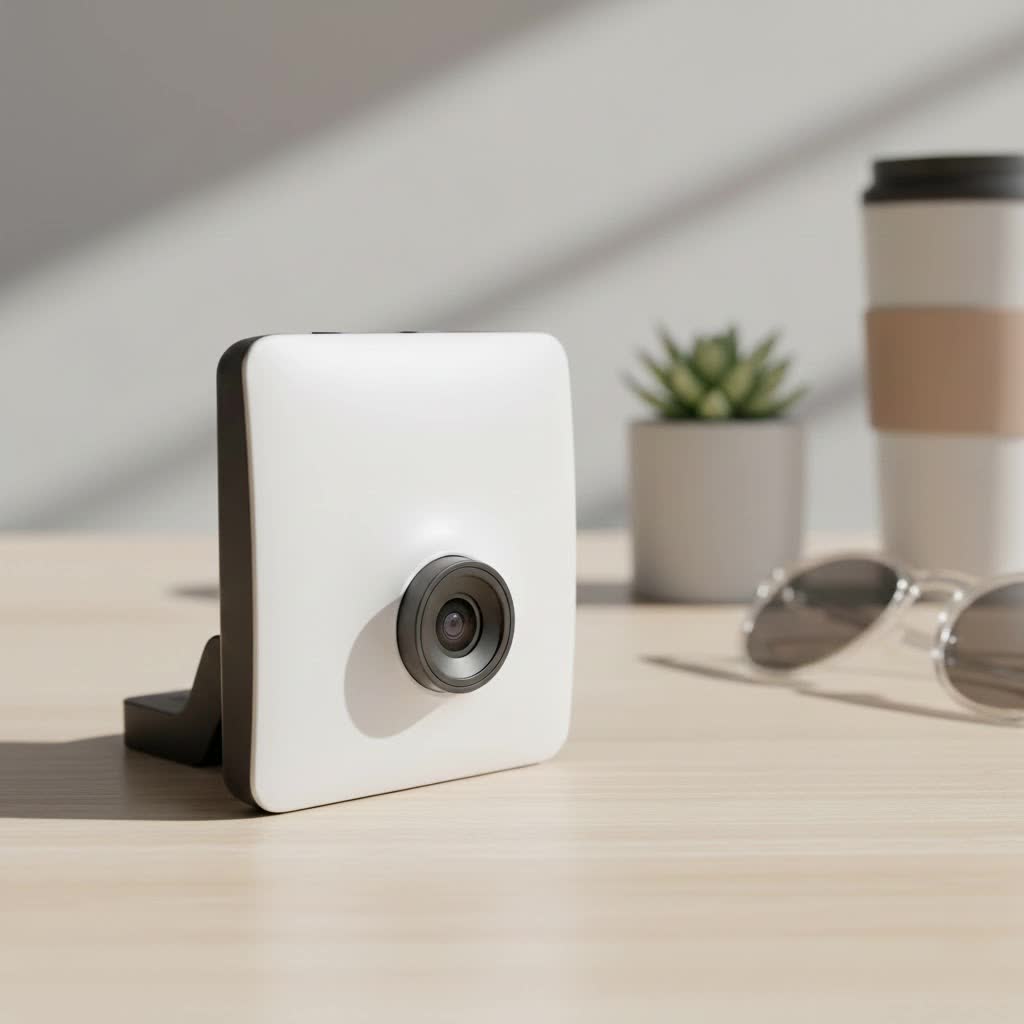
How Does a Dash Cam with Parking Mode Actually Work?
At its core, parking mode is a feature that allows your dash cam to continue monitoring your vehicle’s surroundings even when the engine is turned off. Unlike normal recording, it doesn’t just run continuously, which would quickly drain your battery and fill up your memory card. Instead, it uses intelligent triggers to record only the moments that matter.
Impact Detection (G-Sensor)
|
Our Picks for the Best Dash Cam in 2026
As an Amazon Associate I earn from qualifying purchases.
|
||
| Num | Product | Action |
|---|---|---|
| 1 | REDTIGER 4K Dash Cam Front Rear, STARVIS 2 Sensor, Free Card Included, 5.8GHz WiFi-20MB/s Fast Download, Dash Camera for Cars with GPS, WDR Night Vision, 170°Wide Angle, 24H Parking Mode(F7NP) |

|
| 2 | 4K Dash Cam Front, Built-in 5G WiFi, 64GB Card Included, Dash Camera for Cars, Mini Dashcam with Super Night Vision, Loop Recording, G-Sensor, 24 Hours Parking Monitor, Support 256GB Max |
|
| 3 | Dash Cam Front and Rear, 1080P Dash Camera for Cars, 3 Channel Car Camera Front Rear and Inside with 32GB Card, Loop Recording, Night Vision, HDR, 24Hr Parking, G-Sensor |
|
| 4 | IIWEY N5 4 Channel Dash Cam 360° View, 1080P Front and Rear Inside, Left Right Dash Camera for Cars, 8 IR Lamps Night Vision, 5G WiFi & APP Control, G-Sensor, Parking Mode, with a Free 128GB SD Card |
|
| 5 | Dash Cam 1296P Front Dashcam, V300 WiFi Dash Camera for Cars with App, Night Vision, Mini Hidden Single Car Camera, Loop Recording, 24H Parking Mode, Support 256GB Max, Black |
|
| 6 | Navycrest 4K Dash Cam Front and Rear with 64GB Card, Built-in 5G WiFi, Dash Camera for Cars 4K Front and 1080P Rear, Dashcams for Cars Loop Recording, Gravity Sensor, 24-Hours Parking Mode |
|
| 7 | VIOFO A229 Plus Dash Cam Front and Rear, Dual STARVIS 2 Sensors, 2 Channel HDR, 1440P+1440P Voice Control Car Dash Camera, 5GHz Wi-Fi, Voice Control, Ultra-Precise GPS (SD Card Not Included) |
|
| 8 | ROVE R2-4K DUAL Dash Cam Front and Rear, STARVIS 2 Sensor, FREE 128GB Card Included, 5G WiFi - up to 20MB/s Fastest Download Speed with App, 4K 2160P/FHD Dash Camera for Cars, 3\" IPS, 24H Parking Mode |
|
| 9 | REDTIGER 4K STARVIS 2 Dash Cam Front and Rear, 5GHz WiFi 20MB/s Download, 128GB Card Included, Voice Control, Dash Camera for Cars with 3.18\" Touch Screen, GPS, Loop Recording, Parking Mode(F7N Touch) |
|
| 10 | Dash Cam Front and Rear, 2.5K+1080P Dual Dash Camera for Cars, 2’’ Display Mini Car Camera, G-Sensor Dashcam, Night Vision, 24H Parking Mode, Loop Recording, 170°Wide Angle, 32GB Card Included |
|
The most critical component for parking mode is the G-sensor, or accelerometer. This sensor detects physical shocks and impacts. If another car bumps into yours or a vandal attempts to break in, the G-sensor registers the force and instantly commands the dash cam to wake up and save a recording of the event. This file is typically locked and protected from being overwritten, ensuring your evidence is safe.
Motion Detection
In addition to impacts, many dash cams with parking mode use motion detection. Using the camera’s lens, the device scans for movement in its field of view. If someone walks too close to your car or another vehicle pulls up beside it, the camera will start recording. To save energy and storage space, advanced models often allow you to adjust the sensitivity of this feature to prevent false triggers from passing cars or swaying trees.
Time-Lapse Recording
A third option offered by some advanced models is time-lapse parking mode. In this setting, the dash cam captures frames at a much lower rate (e.g., one or two frames per second) and then stitches them together into a video. This provides a continuous overview of what happened around your car without consuming massive amounts of storage space or power. It’s a great way to catch events that might not trigger motion or impact sensors.
Powering Your Dash Cam in Parking Mode: The Options
A common question I get is, “Won’t this drain my car’s battery?” It’s a valid concern, and manufacturers have developed several solutions to power the device safely when the engine is off.
The Hardwiring Kit: The Gold Standard
A hardwiring kit is the most reliable and permanent solution. This kit connects the dash cam directly to your car’s fuse box. It sounds complex, but it offers a major advantage: a voltage cutoff feature.
Expert Insight from Johnathan Miles: “I always recommend a hardwire kit for serious parking mode users. The built-in voltmeter is a non-negotiable feature. It constantly monitors your car battery’s voltage and will automatically shut down the dash cam if the voltage drops below a preset level (usually 12V or 11.8V). This ensures you always have enough power to start your car.”
OBD-II Cable: The Plug-and-Play Alternative
For those who are less comfortable with tapping into the fuse box, an OBD-II power cable is a fantastic alternative. It plugs directly into your car’s On-Board Diagnostics port (usually located under the steering wheel) and provides a constant power source. Most of these cables also include the essential low-voltage cutoff protection, making it a simple and safe option for most modern vehicles.
External Battery Pack: The Premium Choice
If you frequently park your car for extended periods (like at an airport) or simply want to avoid drawing any power from your car’s battery, a dedicated dash cam battery pack is the ultimate solution. These packs are charged while you drive and then take over to power the dash cam when the car is parked. They offer the longest recording times and completely isolate the dash cam from your car’s electrical system.
Key Features to Look For in a Dash Cam with Parking Mode
Not all parking modes are created equal. When shopping for a device, here are the critical features that separate the best from the rest.
- Buffered Parking Mode: This is arguably the most important feature. A dash cam with buffered recording is always pre-recording a short loop of footage to its internal memory. When an impact or motion is detected, it saves the clip including the crucial few seconds before the event occurred. This can be the difference between seeing a car approaching and only catching its taillights as it drives away.
- Video Quality and Night Vision: High-resolution video (at least 1080p Full HD, but preferably 2K or 4K) is essential for capturing details like license plates. Equally important is superior night vision. Look for cameras with high-quality image sensors, like those from Sony STARVIS, which excel at capturing clear footage in low-light conditions.
- Energy Efficiency: Look for a model specifically designed for low power consumption in parking mode. Some high-end dash cams have an “energy-saving” mode that puts the device into a sleep state, only fully waking up when an impact is detected by the G-sensor. This can extend surveillance time from hours to days.
- Cloud Connectivity: Premium dash cams often offer cloud connectivity. If an impact is detected, the camera can automatically upload the event footage to a secure cloud server and send a notification directly to your smartphone. This gives you instant awareness of an incident and ensures your video evidence is safe, even if the camera or memory card is stolen.
How to Install and Set Up Your Dash Cam for Parking Mode
While professional installation is always an option, setting up a dash cam with a hardwire kit is a manageable DIY project for many.
- Plan Your Route: Decide where you want to mount the dash cam (usually behind the rearview mirror) and plan the cable route. The goal is to hide the cable along the headliner, down the A-pillar, and to the fuse box.
- Locate the Fuse Box: Your vehicle’s owner’s manual will show you the location of the interior fuse box.
- Identify the Fuses: You’ll need to find two types of fuses: a constant power fuse (always on) and an accessory (ACC) fuse (only on when the car is running). A circuit tester is an invaluable tool for this step.
- Connect the Hardwire Kit: Attach the corresponding wires from your kit to the correct fuses using the provided “add-a-circuit” taps. Connect the ground wire to a metal bolt or screw on the car’s chassis.
- Route and Connect: Carefully tuck the cable along your planned route and plug it into the dash cam.
- Configure Settings: In the dash cam’s menu, enable parking mode and configure your preferences, such as sensitivity for the G-sensor and motion detection, and the voltage cutoff level.
Frequently Asked Questions (FAQ)
Will a dash cam with parking mode drain my car battery?
No, not if installed correctly. A proper installation using a hardwiring kit or OBD-II cable with low-voltage cutoff protection will automatically shut down the dash cam before it can drain your battery to a critical level.
How long can a dash cam record in parking mode?
This depends on several factors: the size of your memory card, the video quality settings, the efficiency of the dash cam, and the capacity of your power source (car battery or external pack). With an average car battery and an efficient camera, you can typically expect anywhere from 12 to 48 hours of surveillance.
Do I need a professional to install a hardwired dash cam?
While it’s possible to do it yourself if you’re comfortable with basic car electronics, hiring a professional is recommended if you’re unsure. A professional installer can ensure the setup is safe, clean, and functions correctly.
Is using a dash cam with parking mode legal?
In most places, yes. Dash cams are legal for security purposes. However, it’s wise to check local regulations regarding video recording and audio recording, as some jurisdictions have specific rules about recording in public spaces and notifying passengers about audio recording.
In conclusion, investing in a dash cam with parking mode is one of the smartest upgrades you can make for your vehicle. It transforms your camera from a simple driving recorder into a comprehensive security system that protects your car around the clock. By understanding how it works, choosing the right power source, and looking for key features like buffered recording, you can equip your car with a reliable witness that’s always on duty.
