As a dash cam specialist with over 15 years in the field, I’ve tested just about every type of camera you can mount in a vehicle. A question I get all the time at Welmb.com is, “Can I use my GoPro as a dash cam?” It’s a great question. You already own a powerful, high-quality action camera, so why not put it to work protecting you on the road? The short answer is yes, you absolutely can. But the real answer is a bit more complicated. Using a GoPro for this purpose comes with a unique set of amazing benefits and significant drawbacks. This guide will walk you through everything you need to know to make an informed decision.
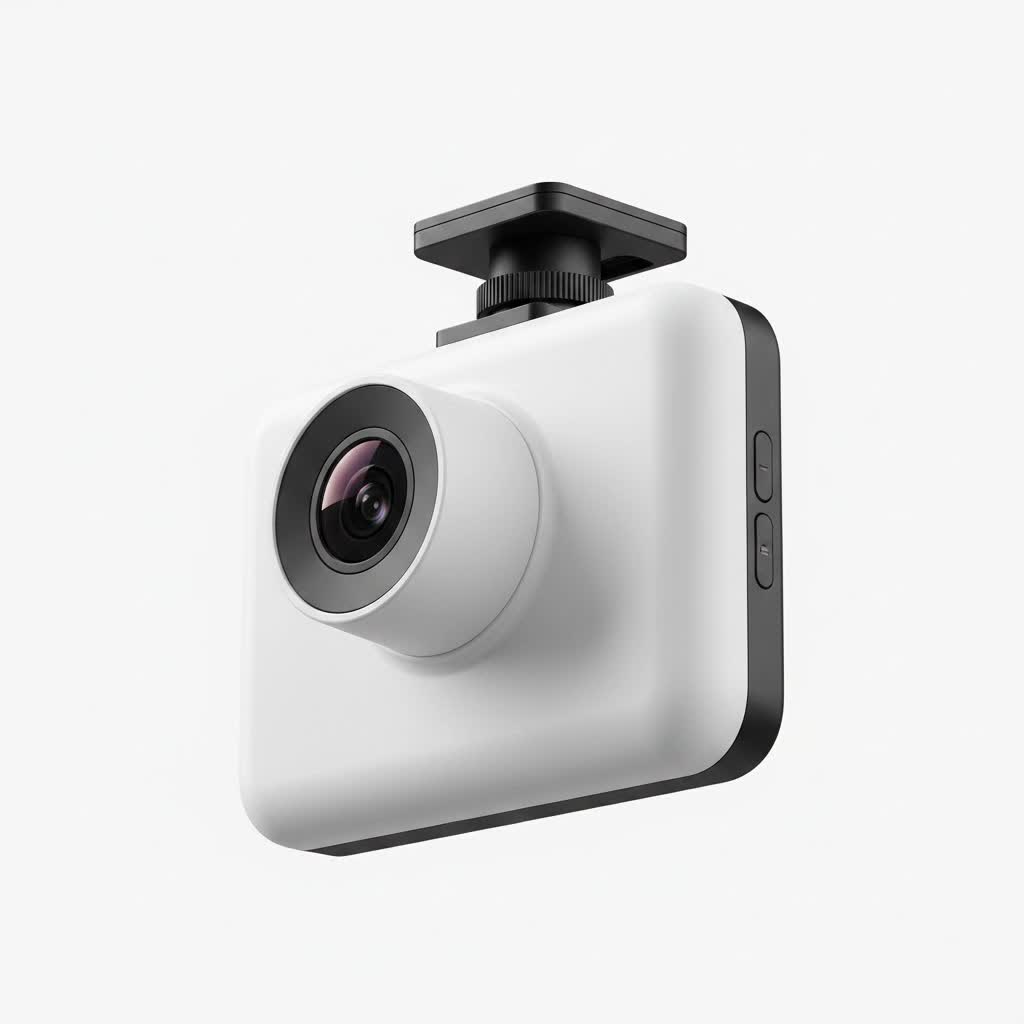
The Allure of the GoPro: Why It’s a Tempting Choice
It’s easy to see why using a GoPro as a dash cam is so appealing. These cameras are renowned for their rugged build and incredible video capabilities, which can be a huge asset on the road.
Unmatched Video Quality
|
Our Picks for the Best Dash Cam in 2026
As an Amazon Associate I earn from qualifying purchases.
|
||
| Num | Product | Action |
|---|---|---|
| 1 | Dash Cam Front and Rear, 1080P Dash Camera for Cars, 3 Channel Car Camera Front Rear and Inside with 32GB Card, Loop Recording, Night Vision, HDR, 24Hr Parking, G-Sensor |

|
| 2 | Navycrest 4K Dash Cam Front and Rear with 64GB Card, Built-in 5G WiFi, Dash Camera for Cars 4K Front and 1080P Rear, Dashcams for Cars Loop Recording, Gravity Sensor, 24-Hours Parking Mode |
|
| 3 | Dash Cam 1296P Front Dashcam, V300 WiFi Dash Camera for Cars with App, Night Vision, Mini Hidden Single Car Camera, Loop Recording, 24H Parking Mode, Support 256GB Max, Black |
|
| 4 | IIWEY N5 4 Channel Dash Cam 360° View, 1080P Front and Rear Inside, Left Right Dash Camera for Cars, 8 IR Lamps Night Vision, 5G WiFi & APP Control, G-Sensor, Parking Mode, with a Free 128GB SD Card |
|
| 5 | Dash Cam Front and Rear, 2.5K+1080P Dual Dash Camera for Cars, 2’’ Display Mini Car Camera, G-Sensor Dashcam, Night Vision, 24H Parking Mode, Loop Recording, 170°Wide Angle, 32GB Card Included |
|
| 6 | REDTIGER 4K Dash Cam Front Rear, STARVIS 2 Sensor, Free Card Included, 5.8GHz WiFi-20MB/s Fast Download, Dash Camera for Cars with GPS, WDR Night Vision, 170°Wide Angle, 24H Parking Mode(F7NP) |
|
| 7 | 4K Dash Cam Front, Built-in 5G WiFi, 64GB Card Included, Dash Camera for Cars, Mini Dashcam with Super Night Vision, Loop Recording, G-Sensor, 24 Hours Parking Monitor, Support 256GB Max |
|
| 8 | REDTIGER 4K STARVIS 2 Dash Cam Front and Rear, 5GHz WiFi 20MB/s Download, 128GB Card Included, Voice Control, Dash Camera for Cars with 3.18\" Touch Screen, GPS, Loop Recording, Parking Mode(F7N Touch) |
|
| 9 | VIOFO A229 Plus Dash Cam Front and Rear, Dual STARVIS 2 Sensors, 2 Channel HDR, 1440P+1440P Voice Control Car Dash Camera, 5GHz Wi-Fi, Voice Control, Ultra-Precise GPS (SD Card Not Included) |
|
| 10 | ROVE R2-4K DUAL Dash Cam Front and Rear, STARVIS 2 Sensor, FREE 128GB Card Included, 5G WiFi - up to 20MB/s Fastest Download Speed with App, 4K 2160P/FHD Dash Camera for Cars, 3\" IPS, 24H Parking Mode |
|
The single biggest advantage of a GoPro is its superior video quality. Even mid-range GoPros can record in 4K or even 5K, with high frame rates that produce smooth, clear, and detailed footage. This is a significant step up from many dedicated dash cams, which often top out at 1080p or 4K. When it comes to identifying license plates or capturing small details in an incident, that extra resolution can make all the difference.
Super-Wide Field of View
GoPros are famous for their ultra-wide-angle lenses. This feature is perfect for dash cam use, as it allows you to capture a panoramic view of the road ahead, often covering multiple lanes of traffic. This comprehensive view ensures that you capture the full context of any event that unfolds in front of you.
Versatility and Value
If you already own a GoPro for hobbies like cycling, skiing, or vlogging, using it as a dash cam adds incredible value. Instead of buying a separate device that only serves one purpose, your action camera can pull double duty. It’s also easy to switch between vehicles, making it a great option for people who drive multiple cars or trucks.
The Reality Check: Where the GoPro Falls Short
Despite the impressive pros, a GoPro is an action camera first and foremost. It wasn’t designed with the specific, “set-it-and-forget-it” functionality that makes dedicated dash cams so reliable.
The Manual Operation Problem
A true dash cam is automatic. It turns on and starts recording the moment you start your car, and it stops when you turn the engine off. A GoPro requires manual intervention. You have to remember to press the record button at the start of every single trip and stop it at the end. Forgetting to do so even once means you won’t have footage when you might need it most.
Power and Overheating Issues
GoPros are powered by batteries with a relatively short life, often lasting between one to two and a half hours. While you can plug it into your car’s USB port, this leads to another problem: overheating. Action cameras are designed for recording short bursts of high-action footage in open air, not for continuous recording inside a hot car. On a sunny day, it’s not uncommon for a GoPro to overheat and shut down, leaving you unprotected.
Lack of Essential Dash Cam Features
Dedicated dash cams come packed with features crucial for automotive security that GoPros simply don’t have:
- Loop Recording: While newer GoPros have a looping feature, it’s a basic implementation. True dash cams seamlessly overwrite the oldest footage when the SD card is full, ensuring you never run out of space. With a GoPro, you might have to manage your files more actively.
- G-Sensor: This is a critical feature that detects sudden impacts, like a collision. When the G-sensor is triggered, the dash cam automatically locks the current video file, preventing it from being overwritten. A GoPro lacks this, meaning crucial evidence could be lost.
- Parking Mode: Many dash cams can monitor your vehicle even when it’s parked. If they detect an impact or motion, they will wake up and record the event. A GoPro has no such feature, offering no protection against hit-and-runs or vandalism when you’re away from the car.
Theft Risk
A GoPro mounted to your windshield is highly visible and recognizable. People know they are valuable, making your car a more tempting target for thieves. Dedicated dash cams are designed to be discreet and blend in, drawing less unwanted attention.
How to Set Up Your GoPro as a Dash Cam
If you’ve weighed the pros and cons and still want to move forward, here’s a step-by-step guide to get your Gopro Dash Cam set up for the best possible performance.
Step 1: Gather Your Gear
- A Solid Mount: A suction cup mount is the most common and versatile choice. Ensure it’s a high-quality one that can withstand vibrations and temperature changes.
- Power Source: You’ll need a long USB-C cable and a reliable car charger. To avoid draining your camera’s battery, it’s best to run it directly from the car’s power.
- High-Endurance MicroSD Card: This is non-negotiable. Continuous recording is tough on memory cards. A high-endurance card is specifically designed for this kind of workload and is far less likely to fail than a standard card.
Step 2: Configure the Right Settings
- Enable Looping: Dive into your GoPro’s settings and find the “Looping” mode. You can set the interval to 5, 20, or 60 minutes. A 5-minute interval is usually best for dash cam purposes.
- Choose Resolution and Frame Rate: Recording in 4K is great, but it generates a lot of heat and uses more storage. A 1080p resolution at 60fps is often the perfect balance of quality, storage, and thermal performance.
- Set the Field of View (FOV): Select a wide or “SuperView” setting to capture as much of the road as possible.
Step 3: Mount and Power Up
- Clean the mounting area on your windshield thoroughly.
- Attach the suction cup mount, positioning the camera so it has an unobstructed view of the road without blocking your vision. Behind the rearview mirror is often the ideal spot.
- Run the USB cable from the camera to your car’s power outlet. Try to tuck the cable along the headliner and down the A-pillar for a clean and safe installation.
- Once you start your car, remember to manually start the recording.
GoPro vs. Dedicated Dash Cam: The Final Verdict
Here’s a simple breakdown to help you decide which is right for you.
| Feature | GoPro | Dedicated Dash Cam |
|---|---|---|
| Video Quality | Excellent (Often 4K/5K) | Good to Very Good (1080p – 4K) |
| Operation | Manual (Must start/stop) | Automatic (Set-it-and-forget-it) |
| Power | Battery/USB (Prone to overheating) | Hardwired/USB (Designed for heat) |
| G-Sensor | No | Yes (Locks emergency files) |
| Parking Mode | No | Yes (Monitors parked car) |
| Discretion | Low (High theft risk) | High (Discreet design) |
| Cost | High (If buying new) | Wide range of prices |
According to our in-house expert, Johnathan Wales, “A GoPro can be a fantastic temporary or dual-purpose solution, especially for professional drivers or those who want top-tier video for scenic drives. However, for the average commuter who needs reliable, everyday protection, a dedicated dash cam is the superior choice. It’s designed for the job and eliminates the risk of human error.”
Frequently Asked Questions
Which GoPro model is best for use as a dash cam?
Newer models like the HERO10 or HERO11 tend to have better heat management and more refined looping features, making them more suitable than older generations.
Will using my GoPro as a dash cam damage it?
While it won’t necessarily damage the camera, the constant power and potential for overheating can reduce the lifespan of both the camera and its battery over the long term.
How much recording time can I get on my SD card?
This depends on the card size and recording resolution. A 128GB card can typically hold several hours of 1080p footage. With looping enabled, this becomes less of a concern as old files are overwritten.
Can I use a GoPro for front and rear recording?
You could, but it would require setting up and managing two separate GoPro cameras, which would be expensive and cumbersome compared to a 2-channel dedicated dash cam system.
Conclusion: A Compromise Worth Considering?
Using a GoPro as a dash cam is a viable but compromised solution. It offers phenomenal video quality that few dedicated dash cams can match, but it trades away the core principles of convenience, automation, and reliability. If you’re a disciplined user who will remember to hit record every time and you understand the limitations, it can work. But for most drivers seeking peace of mind and effortless protection, investing in a purpose-built dash cam remains the smartest, safest, and most reliable option on the road.
