You’ve locked your doors, enabled your car alarm, and even invested in a high-quality front-facing dash cam. You think you’re completely protected, right? But what about the view you can’t see? Every day, incidents like rear-end collisions, parking lot mishaps, and tailgating happen without a clear witness. A back dash cam, also known as a rear-facing dash cam, is the silent partner you need for 360-degree peace of mind, ensuring that the full story is always captured, no matter which direction trouble comes from.
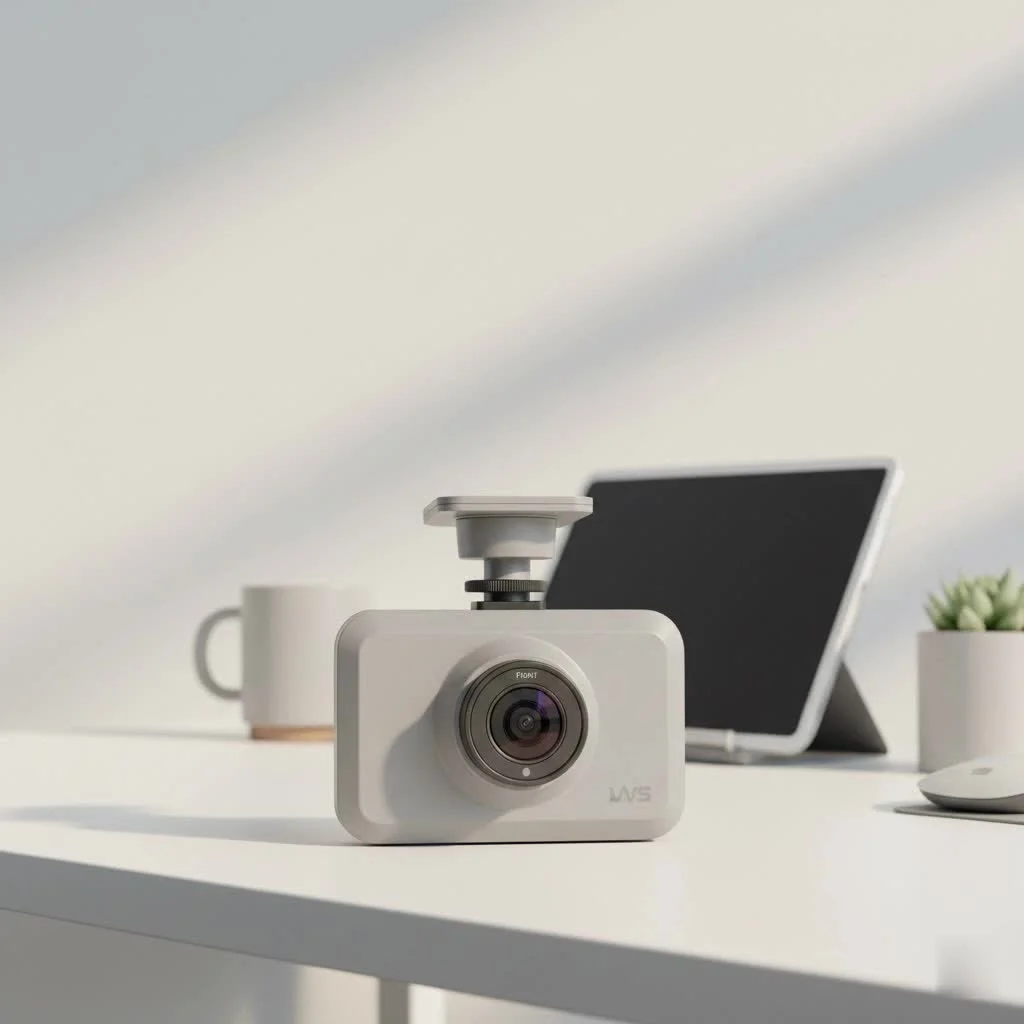
As a dash cam expert with over 15 years in the field, I’ve seen countless situations where footage from a rear camera was the deciding factor in an insurance claim or a police report. It’s not just a fancy gadget; it’s an essential piece of security for any modern driver. For see our automotive dash recommendations on this site.
Why a Back Dash Cam is No Longer a Luxury, But a Necessity
Think about the most common types of accidents. Rear-end collisions are consistently at the top of the list. Without a rear camera, proving the other driver was tailgating, texting, or simply not paying attention becomes a stressful “he said, she said” situation. A back dash cam eliminates that doubt entirely.
Here’s why you should consider a rear camera an indispensable part of your vehicle’s setup:
- Ironclad Evidence in Accidents: In the unfortunate event of a rear-end collision, the footage is undeniable proof. It captures the moments leading up to the impact, which is crucial for insurance claims and can save you from being wrongfully blamed.
- Protection Against Fraud: Staged accidents, where fraudsters intentionally cause a collision to make a false insurance claim, are a real threat. A rear camera can expose these scams by showing the other driver’s erratic behavior before the incident.
- Parking Lot Peace of Mind: Many modern back dash cams come with a parking mode. This feature uses a G-sensor to detect bumps or impacts when your car is parked and unattended. It will automatically start recording, capturing footage of hit-and-runs or vandalism.
- Deterrent for Bad Behavior: The mere presence of a visible camera can be a powerful deterrent. Tailgaters are more likely to back off, and potential vandals might think twice if they know they’re being recorded.
“I once worked with a client who was involved in a multi-car pile-up,” shares automotive electronics specialist, Johnathan Miles. “His front dash cam showed what he hit, but it was his back dash cam footage that proved a speeding truck initiated the entire chain reaction. It saved him from a massive liability claim. That’s the power of having a complete view.”
Choosing the Right Back Dash Cam for Your Needs
Not all dash cams are created equal. When selecting a rear camera, it’s important to understand the different types and features available to find the perfect fit for your car and driving habits.
Types of Rear Camera Systems
|
Our Picks for the Best Dash Cam in 2026
As an Amazon Associate I earn from qualifying purchases.
|
||
| Num | Product | Action |
|---|---|---|
| 1 | REDTIGER 4K Dash Cam Front Rear, STARVIS 2 Sensor, Free Card Included, 5.8GHz WiFi-20MB/s Fast Download, Dash Camera for Cars with GPS, WDR Night Vision, 170°Wide Angle, 24H Parking Mode(F7NP) |

|
| 2 | Dash Cam Front and Rear, 1080P Dash Camera for Cars, 3 Channel Car Camera Front Rear and Inside with 32GB Card, Loop Recording, Night Vision, HDR, 24Hr Parking, G-Sensor |
|
| 3 | Dash Cam Front and Rear, 2.5K+1080P Dual Dash Camera for Cars, 2’’ Display Mini Car Camera, G-Sensor Dashcam, Night Vision, 24H Parking Mode, Loop Recording, 170°Wide Angle, 32GB Card Included |
|
| 4 | ROVE R2-4K DUAL Dash Cam Front and Rear, STARVIS 2 Sensor, FREE 128GB Card Included, 5G WiFi - up to 20MB/s Fastest Download Speed with App, 4K 2160P/FHD Dash Camera for Cars, 3\" IPS, 24H Parking Mode |
|
| 5 | 4K Dash Cam Front, Built-in 5G WiFi, 64GB Card Included, Dash Camera for Cars, Mini Dashcam with Super Night Vision, Loop Recording, G-Sensor, 24 Hours Parking Monitor, Support 256GB Max |
|
| 6 | Navycrest 4K Dash Cam Front and Rear with 64GB Card, Built-in 5G WiFi, Dash Camera for Cars 4K Front and 1080P Rear, Dashcams for Cars Loop Recording, Gravity Sensor, 24-Hours Parking Mode |
|
| 7 | IIWEY N5 4 Channel Dash Cam 360° View, 1080P Front and Rear Inside, Left Right Dash Camera for Cars, 8 IR Lamps Night Vision, 5G WiFi & APP Control, G-Sensor, Parking Mode, with a Free 128GB SD Card |
|
| 8 | Dash Cam 1296P Front Dashcam, V300 WiFi Dash Camera for Cars with App, Night Vision, Mini Hidden Single Car Camera, Loop Recording, 24H Parking Mode, Support 256GB Max, Black |
|
| 9 | VIOFO A229 Plus Dash Cam Front and Rear, Dual STARVIS 2 Sensors, 2 Channel HDR, 1440P+1440P Voice Control Car Dash Camera, 5GHz Wi-Fi, Voice Control, Ultra-Precise GPS (SD Card Not Included) |
|
| 10 | REDTIGER 4K STARVIS 2 Dash Cam Front and Rear, 5GHz WiFi 20MB/s Download, 128GB Card Included, Voice Control, Dash Camera for Cars with 3.18\" Touch Screen, GPS, Loop Recording, Parking Mode(F7N Touch) |
|
- Dual-Channel Systems (Front and Rear): This is the most popular and recommended setup. It consists of a primary front camera and a smaller, secondary camera for the rear, both connected and recording simultaneously. The footage is typically saved in separate files on the same memory card, making it easy to manage.
- Standalone Rear Cameras: While less common, you can purchase a single dash cam and mount it on your rear windshield. This can be a good option if you already have a front camera you like and just want to add rear coverage. However, it means managing two separate devices and memory cards.
- Cabin and Rear Combo Cameras: Some systems offer a three-channel solution that includes a front, rear, and interior-facing camera. This is an excellent choice for rideshare drivers or anyone who wants to monitor activity inside the vehicle as well.
Key Features to Look For
- Video Quality (Resolution): For a back dash cam, a minimum of 1080p (Full HD) is essential. This resolution is clear enough to capture important details like license plates, even in less-than-ideal conditions.
- Night Vision: A lot of driving happens after dark. A camera with a quality sensor (like Sony’s STARVIS) and Wide Dynamic Range (WDR) technology is crucial for clear nighttime recording.
- Viewing Angle: A wide viewing angle, typically between 130 and 160 degrees, is ideal. This ensures the camera captures multiple lanes of traffic behind you, providing more context in your footage.
- Parking Mode: This is a non-negotiable feature for 24/7 security. To use it effectively, you will likely need to hardwire the dash cam to your car’s fuse box, which allows it to draw power even when the engine is off.
- GPS Logging: Built-in GPS will embed your vehicle’s speed and location data into the video footage. This information can provide additional, crucial context for any recorded incident.
A Step-by-Step Guide to Installing Your Back Dash Cam
While professional installation is always an option, setting up a back dash cam is a manageable DIY project for many. Here’s a straightforward guide to get you started.
Tools You’ll Need:
- The dash cam kit (including the rear camera and connecting cable)
- A plastic trim removal tool (often included with the dash cam)
- Microfiber cloth and cleaning solution
- Electrical tape (optional, for securing connections)
Step 1: Find the Perfect Position
The best spot for your back dash cam is high up in the center of your rear windshield. This position provides the widest possible view and keeps it out of your direct line of sight in the rearview mirror. Before peeling off the adhesive, power on the camera and use its screen or a connected smartphone app to check the live view and ensure you’re happy with the angle.
Step 2: Mount the Camera
Clean the designated area on the windshield thoroughly with a glass cleaner or rubbing alcohol to ensure the adhesive mount sticks securely. Press the mount firmly against the glass and hold it for at least 30 seconds.
Step 3: Route the Connecting Cable
This is the most time-consuming part, but taking your time will result in a clean, professional-looking installation.
- Start at the rear camera: Begin tucking the cable into the headliner of your car, moving from the back towards the front.
- Run along the side: Use the trim tool to gently pry open the plastic panels (the A, B, and C pillars) and tuck the cable behind them. This keeps the wire completely hidden and away from airbags.
- Connect to the front camera: Continue running the cable along the headliner at the top of the passenger side door until you reach the front windshield. Plug the cable into the designated port on your main front-facing dash cam.
Step 4: Power Up and Test
Connect the front dash cam to its power source (either the 12V cigarette lighter or a hardwire kit). Turn on your car to power up the system. Check that both the front and back cameras are recording properly. Secure any loose cables with cable clips or tape for a tidy finish.
Frequently Asked Questions (FAQ)
Is a back dash cam really worth the investment?
Absolutely. The cost of a quality rear camera is minor compared to the potential cost of an insurance deductible, increased premiums, or legal fees from an accident where you couldn’t prove you weren’t at fault.
Can a rear dash cam drain my car’s battery?
If your camera has a parking mode and is hardwired, it will draw a small amount of power when the car is off. However, most modern hardwire kits have a built-in voltage cutoff feature that automatically shuts the camera off if the car’s battery level drops too low, preventing it from draining completely.
Where is the best place to mount a rear camera on an SUV or truck?
For SUVs, hatchbacks, and minivans, the top center of the rear glass is still the ideal spot. For pickup trucks, which may not have a clear view through the cab’s rear window, you can opt for an exterior, waterproof camera that mounts near the license plate for an unobstructed view.
How much does a good back dash cam system cost?
A reliable dual-channel (front and rear) system typically ranges from $150 to $400. While cheaper options exist, investing in a reputable brand with good video quality and features like parking mode is highly recommended.
Your Silent Witness on the Road
A front-facing dash cam only tells half the story. By adding a back dash cam, you create a complete bubble of security around your vehicle. It’s the ultimate tool for protecting yourself against false claims, capturing hit-and-runs, and gaining total peace of mind on the road. Don’t wait until you need it to wish you had one. Equip your vehicle with a rear camera and drive with the confidence that you’re always covered, from every angle.
Get our weekly buyer guide
Practical specs, not advice. Unsubscribe anytime.
I’ve been meaning to get a rear-facing dash cam for ages, and this guide finally convinced me. Knowing that the full story is always captured, even for parking lot mishaps, is a huge relief. I went with one of the mid-range options, and it’s been working great so far. It really does feel like an essential piece of security.
As someone who’s had a front-facing cam for years, adding a back dash cam was a game-changer. The point about it being the deciding factor in insurance claims really hit home. I feel much more secure knowing I have footage from both directions now. It’s not just a fancy gadget, it’s a necessity.
I finally got a back dash cam after reading about how crucial they are for rear-end collisions. It’s given me so much peace of mind, especially in busy parking lots. The installation was pretty straightforward, and the video quality is excellent, even at night. Definitely an essential piece of security for any driver.
I appreciate the idea of 360-degree peace of mind, but my back dash cam sometimes struggles with glare from headlights at night. It’s not a dealbreaker, and it still captures most incidents, but I was hoping for clearer footage in all conditions. Still, it’s better than nothing for those tailgating situations.