Are you looking for a cleaner, more streamlined way to protect your vehicle from all angles? A Wireless Dash Cam Front And Rear system might be the perfect solution you’re searching for. It offers comprehensive coverage without the hassle of running complex cables through your car’s interior. But before you buy, it’s crucial to understand what “wireless” truly means in the world of dash cams and what features really matter. As a professional with over 15 years of hands-on experience installing and testing these devices, I’m here to demystify the technology and guide you to the perfect setup for your needs.
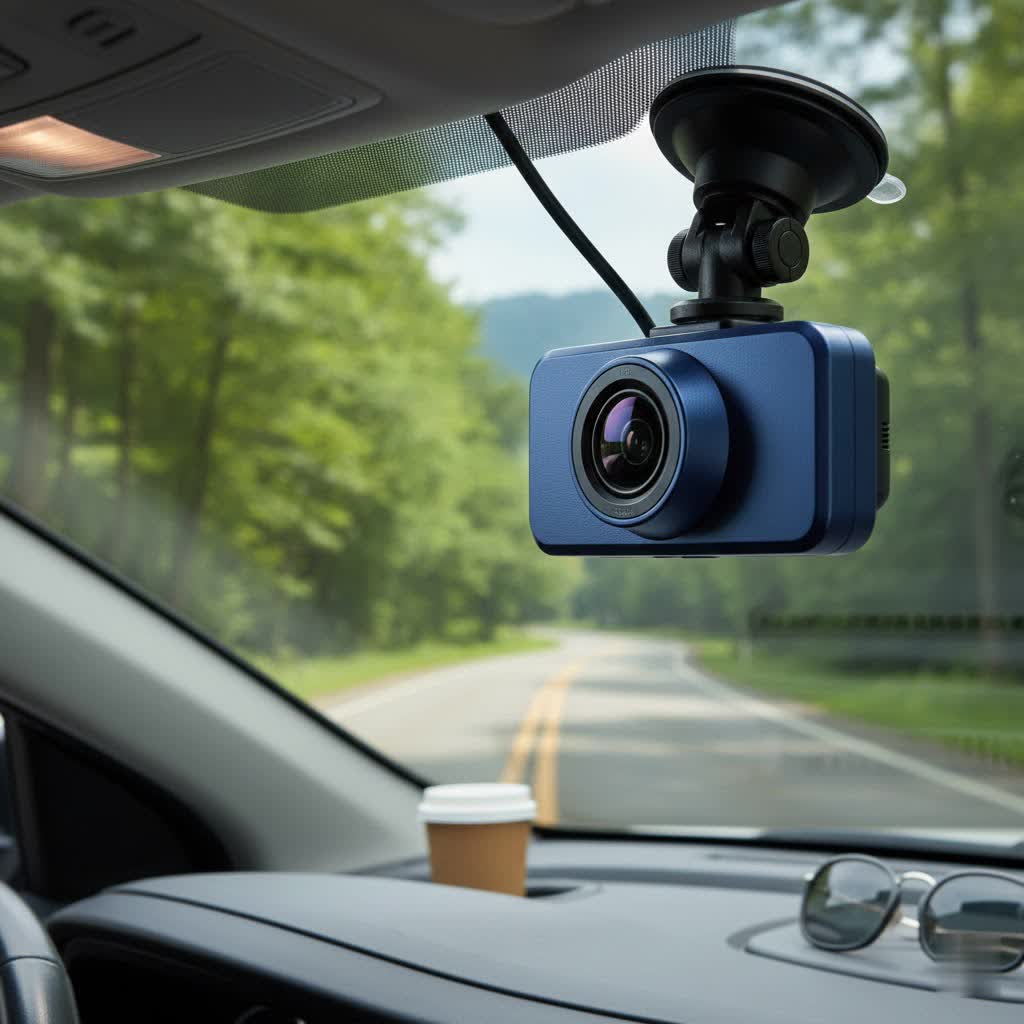
What Does “Wireless” Actually Mean for a Dash Cam?
This is the single most important concept to grasp, and a point of confusion for many first-time buyers. When a dash cam system is advertised as “wireless,” it almost always refers to the data connection between the front and rear cameras, and the connection to your smartphone, not the power source.
Important Clarification: Every dash cam, whether wireless or not, requires a constant power source to function. They are not battery-operated devices that you can simply stick on your windshield and forget about. The “wireless” aspect eliminates the need to run a video cable from the front unit to the rear unit.
- Wireless Data Transfer: The front camera unit communicates with the rear camera wirelessly, usually via its own dedicated Wi-Fi signal. This simplifies installation significantly, as you don’t need to tuck a long wire under the headliner and through the trim panels of your car.
- Wireless Power Source (The Myth): There is no such thing as a truly “power-wireless” dash cam that can record for extended periods. The power draw is too high for a small, rechargeable battery. Your dash cam will always need to be powered by either:
- The car’s 12V cigarette lighter socket.
- A hardwire kit connected directly to the car’s fuse box (required for parking mode).
So, when you choose a wireless dash cam front and rear, you’re choosing a cleaner installation and the convenience of wireless data transfer, not a device free from all cables.
Why Should You Choose a Wireless Front and Rear Dash Cam?
With the main misconception cleared up, let’s look at the powerful advantages that make these systems a top choice for drivers today.
Simplified and Cleaner Installation
|
Our Picks for the Best Dash Cam in 2026
As an Amazon Associate I earn from qualifying purchases.
|
||
| Num | Product | Action |
|---|---|---|
| 1 | IIWEY N5 4 Channel Dash Cam 360° View, 1080P Front and Rear Inside, Left Right Dash Camera for Cars, 8 IR Lamps Night Vision, 5G WiFi & APP Control, G-Sensor, Parking Mode, with a Free 128GB SD Card |

|
| 2 | 4K Dash Cam Front, Built-in 5G WiFi, 64GB Card Included, Dash Camera for Cars, Mini Dashcam with Super Night Vision, Loop Recording, G-Sensor, 24 Hours Parking Monitor, Support 256GB Max |
|
| 3 | ROVE R2-4K DUAL Dash Cam Front and Rear, STARVIS 2 Sensor, FREE 128GB Card Included, 5G WiFi - up to 20MB/s Fastest Download Speed with App, 4K 2160P/FHD Dash Camera for Cars, 3\" IPS, 24H Parking Mode |
|
| 4 | Dash Cam Front and Rear, 2.5K+1080P Dual Dash Camera for Cars, 2’’ Display Mini Car Camera, G-Sensor Dashcam, Night Vision, 24H Parking Mode, Loop Recording, 170°Wide Angle, 32GB Card Included |
|
| 5 | VIOFO A229 Plus Dash Cam Front and Rear, Dual STARVIS 2 Sensors, 2 Channel HDR, 1440P+1440P Voice Control Car Dash Camera, 5GHz Wi-Fi, Voice Control, Ultra-Precise GPS (SD Card Not Included) |
|
| 6 | Navycrest 4K Dash Cam Front and Rear with 64GB Card, Built-in 5G WiFi, Dash Camera for Cars 4K Front and 1080P Rear, Dashcams for Cars Loop Recording, Gravity Sensor, 24-Hours Parking Mode |
|
| 7 | REDTIGER 4K Dash Cam Front Rear, STARVIS 2 Sensor, Free Card Included, 5.8GHz WiFi-20MB/s Fast Download, Dash Camera for Cars with GPS, WDR Night Vision, 170°Wide Angle, 24H Parking Mode(F7NP) |
|
| 8 | Dash Cam Front and Rear, 1080P Dash Camera for Cars, 3 Channel Car Camera Front Rear and Inside with 32GB Card, Loop Recording, Night Vision, HDR, 24Hr Parking, G-Sensor |
|
| 9 | Dash Cam 1296P Front Dashcam, V300 WiFi Dash Camera for Cars with App, Night Vision, Mini Hidden Single Car Camera, Loop Recording, 24H Parking Mode, Support 256GB Max, Black |
|
| 10 | REDTIGER 4K STARVIS 2 Dash Cam Front and Rear, 5GHz WiFi 20MB/s Download, 128GB Card Included, Voice Control, Dash Camera for Cars with 3.18\" Touch Screen, GPS, Loop Recording, Parking Mode(F7N Touch) |
|
The primary benefit is the ease of installation. Without a physical video cable connecting the two cameras, you can mount the front and rear units and get them powered up much faster. This is especially beneficial for larger vehicles like SUVs and trucks, where running a long cable can be a significant challenge. The result is a more professional-looking setup with minimal visible wiring.
Comprehensive Vehicle Coverage
A dual-camera system provides a near-360-degree view of your surroundings. The front camera captures everything happening ahead of you—accidents, traffic violations, and unexpected events. The rear camera is your witness for rear-end collisions, parking lot incidents, and tailgaters, which are often missed by single-lens setups.
Effortless Video Access and Management
Most wireless dash cams connect to a smartphone app via Wi-Fi. This is a game-changer. From your phone, you can:
- View a live feed from both cameras.
- Instantly review and download recorded footage.
- Adjust camera settings without touching the device.
- Easily share video clips with insurance companies, police, or on social media.
Key Features to Look For in a Top-Tier System
Not all dual-camera systems are created equal. Based on my experience, these are the non-negotiable features you should prioritize to ensure you’re getting a reliable and effective product.
### Video Resolution and Quality
This is paramount. Look for a system that offers at least 1080p (Full HD) resolution for both the front and rear cameras. For superior clarity, especially for capturing license plates at a distance, consider a system with a 2K (1440p) or 4K front camera. Pay attention to the sensor (Sony STARVIS sensors are excellent for low light) and the lens aperture (a lower f-number like f/1.6 is better).
### Wide Field of View (FOV)
A wider viewing angle allows the camera to capture more of the scene. Aim for a dash cam with an FOV between 140 and 170 degrees. This is wide enough to cover multiple lanes of traffic without causing a distorted “fisheye” effect at the edges of the video.
### Reliable Parking Mode
Parking mode allows the dash cam to monitor your vehicle even when the engine is off. It’s an essential feature for protecting against hit-and-runs and vandalism. Look for systems with buffered recording, which saves the moments leading up to an impact, not just the aftermath. Remember, this feature requires a hardwire kit installation to provide constant power.
### G-Sensor and Loop Recording
These are standard features but are critical for operation.
- G-Sensor (Gravity Sensor): Automatically detects a sudden impact (like a collision) and locks the current video file, preventing it from being overwritten.
- Loop Recording: Continuously records video, automatically overwriting the oldest, unlocked files when the memory card is full. This ensures you never run out of storage space.
### Built-in GPS
A GPS module embeds your vehicle’s speed and location data directly into the video footage. This information can be invaluable as supporting evidence in an insurance claim or legal dispute, providing indisputable context for the recording.
How to Install a Wireless Dash Cam System
While professional installation is always an option, many users can install a wireless front and rear system themselves in under an hour.
- Plan Your Placement: Before peeling any adhesive, decide on the best mounting position. The front camera should be placed behind the rearview mirror to avoid obstructing your view. The rear camera should be centered at the top of the rear windshield.
- Mount the Front Camera: Clean the windshield area thoroughly. Peel the backing from the adhesive mount and press the camera firmly into place.
- Mount the Rear Camera: Repeat the process for the rear windshield.
- Connect Power to the Front Camera: Route the power cable from the front dash cam across the headliner, down the A-pillar, and to your car’s 12V power outlet or fuse box (if using a hardwire kit). Use a trim tool to neatly tuck the cable out of sight.
- Connect Power to the Rear Camera: The rear camera will also need power. It typically comes with its own power cable that you will route to a nearby power source, often the same 12V outlet using a provided adapter or a separate USB port if available.
- Pair the Cameras and Your Phone: Power on your car. Follow the manufacturer’s instructions to pair the rear camera to the front unit and to connect the system to your smartphone app via Wi-Fi.
- Test and Adjust: Use the app’s live view to ensure both cameras have a clear, level view. Adjust as needed, and you’re ready to hit the road.
Frequently Asked Questions (FAQ)
Are wireless front and rear dash cams truly 100% wireless?
No, this is a common misconception. The “wireless” part refers to the video data connection between the front and rear cameras. Both camera units still require a physical power cable connected to your car.
How does the rear camera connect to the front one?
The front unit creates its own local Wi-Fi or a similar wireless network. The rear camera automatically connects to this network to transmit its video stream, which is then recorded onto the memory card located in the front unit.
Can I use a wireless dash cam in any car?
Yes, these systems are universally compatible with virtually all cars, trucks, and SUVs. The primary consideration is having a 12V power source or being willing to hardwire the unit to your vehicle’s fuse box.
Do I need a professional to install the dash cam?
For a basic installation using the 12V power adapter, most people can do it themselves with a little patience. However, if you want to use parking mode, a hardwire installation is required. If you are not comfortable working with your car’s fuse box, it is highly recommended to have a professional handle the installation.
How much storage do I need for a dual-camera system?
Because you are recording two video streams simultaneously, storage is consumed faster. A 128GB high-endurance microSD card is a great starting point, providing many hours of recording before loop recording begins. Always use a high-endurance card designed specifically for the constant writing and rewriting of a dash cam.
The Final Verdict
A wireless dash cam front and rear system offers a fantastic combination of comprehensive protection, modern convenience, and a clean, discreet installation. By understanding that “wireless” refers to the data link, not the power source, you can set realistic expectations and choose a system that truly meets your needs. Look for a model with excellent video quality, reliable parking mode, and an intuitive smartphone app. By investing in the right dual-camera setup, you’re not just buying a gadget; you’re investing in peace of mind every time you get behind the wheel. Drive safe, and let your dash cam be your silent, ever-vigilant witness on the road.
