Driving without a reliable witness is a risk you don’t have to take. In the past, equipping your vehicle with a camera felt like a high-tech luxury. Today, securing an Inexpensive Dash Cam is one of the smartest, most affordable upgrades you can make for your car. It’s not about flashy gadgets; it’s about peace of mind, security, and having a crystal-clear record when you need it most. At Welmb, we’ve spent over a decade testing and installing every type of car camera imaginable, and we’re here to guide you through finding a budget-friendly option that doesn’t compromise on quality.
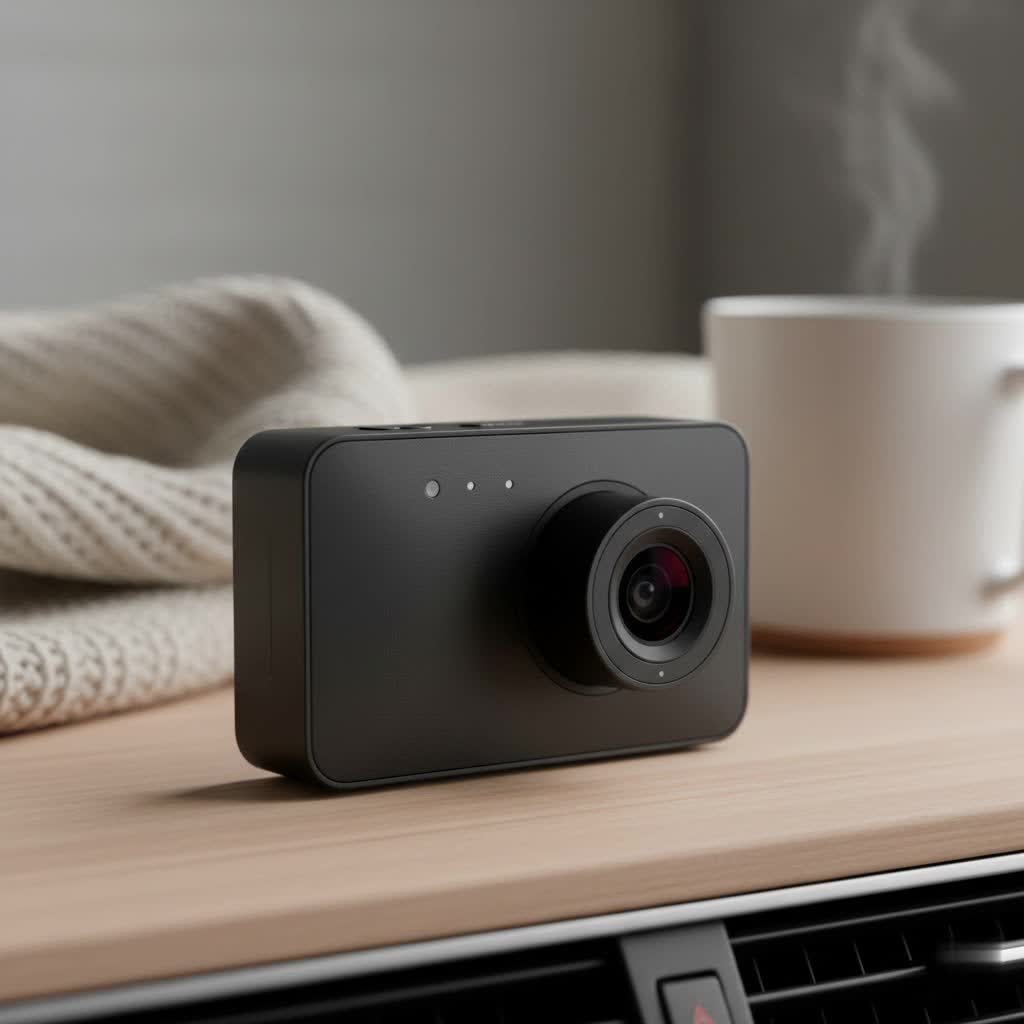
What to Expect from an Inexpensive Dash Cam
When you’re looking at dash cams under the $100 mark, it’s important to set realistic expectations. You won’t find features like 4K resolution, cloud connectivity, or advanced driver-assistance systems. However, a good inexpensive dash cam will absolutely nail the fundamentals, providing you with the core protection every driver needs.
The primary function is to reliably record your drives and automatically save footage in case of an incident. Modern budget models have become surprisingly sophisticated, often packing features that were considered premium just a few years ago.
“The biggest misconception is that ‘inexpensive’ means ‘unreliable.’ For the average driver, a well-chosen budget dash cam provides 90% of the practical benefits of a high-end model. It’s about focusing on the essentials: clear video, automatic event detection, and set-it-and-forget-it operation.” – David Chen, Lead Installation Technician at Welmb
Key Features to Look for in a Budget Dash Cam
Navigating the market for an inexpensive dash cam can be overwhelming. Let’s break down the must-have features to ensure you get the best value for your money.
Video Resolution: The 1080p Sweet Spot
|
Our Picks for the Best Dash Cam in 2026
As an Amazon Associate I earn from qualifying purchases.
|
||
| Num | Product | Action |
|---|---|---|
| 1 | Dash Cam 1296P Front Dashcam, V300 WiFi Dash Camera for Cars with App, Night Vision, Mini Hidden Single Car Camera, Loop Recording, 24H Parking Mode, Support 256GB Max, Black |

|
| 2 | Dash Cam Front and Rear, 2.5K+1080P Dual Dash Camera for Cars, 2’’ Display Mini Car Camera, G-Sensor Dashcam, Night Vision, 24H Parking Mode, Loop Recording, 170°Wide Angle, 32GB Card Included |
|
| 3 | Dash Cam Front and Rear, 1080P Dash Camera for Cars, 3 Channel Car Camera Front Rear and Inside with 32GB Card, Loop Recording, Night Vision, HDR, 24Hr Parking, G-Sensor |
|
| 4 | REDTIGER 4K Dash Cam Front Rear, STARVIS 2 Sensor, Free Card Included, 5.8GHz WiFi-20MB/s Fast Download, Dash Camera for Cars with GPS, WDR Night Vision, 170°Wide Angle, 24H Parking Mode(F7NP) |
|
| 5 | Navycrest 4K Dash Cam Front and Rear with 64GB Card, Built-in 5G WiFi, Dash Camera for Cars 4K Front and 1080P Rear, Dashcams for Cars Loop Recording, Gravity Sensor, 24-Hours Parking Mode |
|
| 6 | ROVE R2-4K DUAL Dash Cam Front and Rear, STARVIS 2 Sensor, FREE 128GB Card Included, 5G WiFi - up to 20MB/s Fastest Download Speed with App, 4K 2160P/FHD Dash Camera for Cars, 3\" IPS, 24H Parking Mode |
|
| 7 | VIOFO A229 Plus Dash Cam Front and Rear, Dual STARVIS 2 Sensors, 2 Channel HDR, 1440P+1440P Voice Control Car Dash Camera, 5GHz Wi-Fi, Voice Control, Ultra-Precise GPS (SD Card Not Included) |
|
| 8 | 4K Dash Cam Front, Built-in 5G WiFi, 64GB Card Included, Dash Camera for Cars, Mini Dashcam with Super Night Vision, Loop Recording, G-Sensor, 24 Hours Parking Monitor, Support 256GB Max |
|
| 9 | IIWEY N5 4 Channel Dash Cam 360° View, 1080P Front and Rear Inside, Left Right Dash Camera for Cars, 8 IR Lamps Night Vision, 5G WiFi & APP Control, G-Sensor, Parking Mode, with a Free 128GB SD Card |
|
| 10 | REDTIGER 4K STARVIS 2 Dash Cam Front and Rear, 5GHz WiFi 20MB/s Download, 128GB Card Included, Voice Control, Dash Camera for Cars with 3.18\" Touch Screen, GPS, Loop Recording, Parking Mode(F7N Touch) |
|
While 4K sounds impressive, Full HD (1080p) is more than sufficient for capturing critical details like license plates and road signs. It provides a clear, usable image without creating massive video files that quickly fill up your memory card. For a budget-friendly device, 1080p at 30 frames per second (fps) is the gold standard.
Field of View (FOV)
The field of view determines how much of the road ahead the camera can see. Look for a dash cam with an FOV between 140 and 170 degrees. This wide angle is crucial for capturing events that happen in adjacent lanes, providing a more complete picture of any incident.
G-Sensor and Emergency Locking
This is a non-negotiable feature. A built-in G-sensor detects sudden impacts, like a collision or heavy braking. When triggered, it automatically locks the current video file, preventing it from being overwritten by the loop recording feature. This ensures your crucial evidence is always saved.
Loop Recording
Every modern dash cam, regardless of price, should have loop recording. This feature continuously records video, and once the memory card is full, it begins overwriting the oldest, unsaved files. This allows the camera to record indefinitely without you ever needing to manually clear the SD card.
Basic Parking Mode
Some inexpensive models offer a basic parking mode. This feature uses the G-sensor to wake the camera and record a short clip if it detects a bump or impact while your car is parked.
- Important Note: To use parking mode effectively, the dash cam needs a constant power source. This usually requires a separate hardwire kit that connects the camera directly to your car’s fuse box, a task you can often do yourself or have a professional handle.
How to Install Your Inexpensive Dash Cam: A Step-by-Step Guide
One of the best things about modern dash cams is their plug-and-play design. You don’t need to be a car expert to get one up and running in under 15 minutes.
- Choose the Right Spot: The best placement is behind the rearview mirror. This keeps the camera out of your line of sight and gives it a clear, centered view of the road. Clean the windshield area thoroughly before mounting.
- Mount the Camera: Most dash cams use a suction cup or an adhesive mount. Press it firmly against the glass. We recommend adhesive mounts for a more secure, long-term fit, especially in hot climates.
- Route the Power Cable: This is the secret to a clean, professional-looking installation. Run the power cable up from the camera and tuck it into the headliner (the fabric ceiling of your car).
- Hide the Wire Along the A-Pillar: Gently tuck the cable along the trim of the A-pillar (the post between your windshield and the driver’s side window). You can often use a plastic trim tool or even a credit card to push it in.
- Run it Under the Glove Box: Continue routing the cable down the side and underneath the glove compartment.
- Plug it In: Bring the cable to your car’s 12V power outlet (the cigarette lighter) and plug it in. Use zip ties or cable clips to secure any excess slack.
- Power On and Format SD Card: Start your car. The dash cam should power on automatically. Go into the settings and format the microSD card. This ensures it’s properly configured for the camera.
Are Cheap Dash Cams Actually Worth It?
Absolutely. For a relatively small investment, an inexpensive dash cam provides immense value. It acts as an impartial witness in accidents, helping you prove you weren’t at fault and potentially saving you thousands in insurance deductibles and premium hikes. It can also deter vandalism and provide evidence in hit-and-run situations.
While more expensive models offer better night vision, higher resolutions, and smart features, a reliable budget model performs the core job perfectly: it records the road. The peace of mind that comes from knowing every drive is documented is well worth the modest price tag.
Pre-Purchase Checklist
Before you buy, run through this quick checklist:
- [ ] Does it record in at least 1080p resolution?
- [ ] Is the field of view 140 degrees or wider?
- [ ] Does it have a G-sensor for automatic event detection?
- [ ] Does it feature seamless loop recording?
- [ ] What is the maximum SD card capacity it supports? (Aim for 64GB or higher).
Frequently Asked Questions (FAQ)
What’s the main difference between a cheap and expensive dash cam?
The biggest differences are video quality (1080p vs. 4K), low-light performance, and advanced features. Expensive models often include GPS for logging speed and location, Wi-Fi for easy file transfers to your phone, and more sophisticated parking surveillance modes.
Can an inexpensive dash cam record clearly at night?
Yes, most modern budget dash cams have decent night vision capabilities for well-lit city streets. However, this is one area where premium models excel. While a budget cam will capture events at night, the footage may be grainier and it might struggle to capture license plates in very low light.
Do I need a professional to install my dash cam?
Not at all. For a standard installation using the 12V power adapter, you can easily do it yourself in minutes by following the steps above. Professional installation is only necessary if you plan to hardwire the camera to your car’s fuse box for parking mode.
How long do budget dash cams last?
A quality inexpensive dash cam from a reputable brand can easily last for several years. The lifespan is more often determined by the microSD card, which has a finite number of read/write cycles and should be replaced every 1-2 years for maximum reliability.
Do inexpensive dash cams come with an SD card?
Some do, but many do not. Always check the product description. It’s often better to buy a separate, high-endurance microSD card specifically designed for the constant rewriting that dash cams perform.
Your First Line of Defense on the Road
You don’t need to spend a fortune to protect yourself on the road. An inexpensive dash cam is a powerful tool that offers security, accountability, and peace of mind every time you get behind the wheel. By focusing on the essential features—1080p resolution, a wide field of view, a G-sensor, and loop recording—you can find a reliable device that fits your budget. Install it, forget it’s there, and drive with the confidence of knowing you have an unbiased witness along for the ride.
