In my 15 years working with every type of in-car technology, few devices have evolved as rapidly and proven as essential as the dash cam. Here at Welmb, we’ve seen them go from grainy, unreliable gadgets to crystal-clear eyewitnesses. When you’re looking for that perfect balance of clarity, reliability, and value, the conversation inevitably turns to the Hd Dash Cam. It’s the undisputed workhorse of the industry, providing crucial evidence and peace of mind to millions of drivers. But what makes an HD dash cam the right choice, and how do you navigate the sea of options?
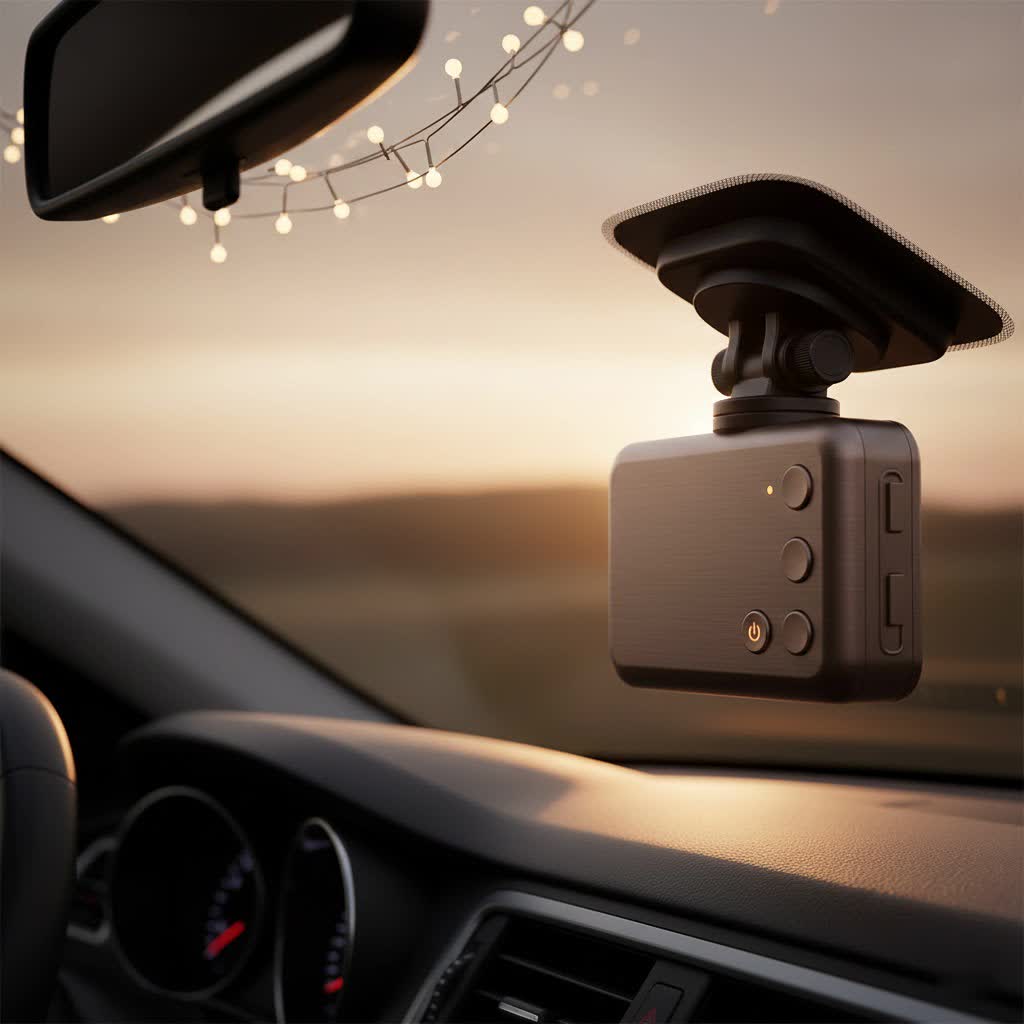
An HD dash cam is a camera mounted on your dashboard or windshield that records video at a resolution of at least 1280×720 pixels (720p), though most today record in 1920×1080 pixels, also known as Full HD (1080p). This level of detail is a significant leap from older, standard-definition models and is often the sweet spot for capturing essential information like license plates and road signs without creating massive video files that are difficult to store. It’s your impartial witness on the road, ready to document everything from a scenic drive to an unexpected collision.
Why Settle for Anything Less Than HD?
In the event of an accident, clarity is everything. While any video is better than none, high-definition footage provides the irrefutable detail needed for insurance claims or legal disputes. Imagine trying to prove your innocence with a blurry, pixelated video where you can’t even read the other car’s license plate. An HD dash cam solves that problem.
Beyond accident documentation, these cameras offer a surprising range of benefits:
- Deterring Fraud: Staged “crash-for-cash” scams are a real threat. A visible dash cam can deter fraudsters, and the footage is your best defense if you become a target.
- Improving Driving Habits: Knowing you’re being recorded can make you a more mindful driver. It’s also a fantastic tool for coaching a new teen driver in the family.
- Capturing the Unexpected: From beautiful sunsets on a road trip to bizarre moments on the morning commute, a dash cam records it all.
As my colleague, automotive tech specialist David Chen, often says, “A standard definition dash cam tells you that an accident happened. An HD dash cam shows you how it happened, who was involved, and who was at fault. The difference in detail is the difference between winning and losing a claim.”
Must-Have Features of a Modern HD Dash Cam
Not all HD dash cams are created equal. The market is flooded with options, but the best devices share a few core features that you should consider non-negotiable.
Core Recording Features
- Full HD (1080p) Resolution: This is the gold standard for HD. It provides excellent clarity for identifying crucial details day or night.
- Wide Dynamic Range (WDR): This technology is essential for clear recordings in tricky lighting. It balances the bright sky and dark shadows, preventing footage from being washed out or too dark to see.
- Loop Recording: Your dash cam should record continuously. Loop recording automatically overwrites the oldest files when the memory card is full, so you never have to worry about running out of space.
- G-Sensor (Gravity Sensor): This is one of the most critical features. A G-sensor detects sudden impacts, like a collision or harsh braking. When triggered, it automatically locks the current video file, protecting it from being overwritten by the loop recording feature.
|
Our Picks for the Best Dash Cam in 2026
As an Amazon Associate I earn from qualifying purchases.
|
||
| Num | Product | Action |
|---|---|---|
| 1 | 4K Dash Cam Front, Built-in 5G WiFi, 64GB Card Included, Dash Camera for Cars, Mini Dashcam with Super Night Vision, Loop Recording, G-Sensor, 24 Hours Parking Monitor, Support 256GB Max |

|
| 2 | IIWEY N5 4 Channel Dash Cam 360° View, 1080P Front and Rear Inside, Left Right Dash Camera for Cars, 8 IR Lamps Night Vision, 5G WiFi & APP Control, G-Sensor, Parking Mode, with a Free 128GB SD Card |
|
| 3 | Dash Cam Front and Rear, 1080P Dash Camera for Cars, 3 Channel Car Camera Front Rear and Inside with 32GB Card, Loop Recording, Night Vision, HDR, 24Hr Parking, G-Sensor |
|
| 4 | REDTIGER 4K Dash Cam Front Rear, STARVIS 2 Sensor, Free Card Included, 5.8GHz WiFi-20MB/s Fast Download, Dash Camera for Cars with GPS, WDR Night Vision, 170°Wide Angle, 24H Parking Mode(F7NP) |
|
| 5 | Dash Cam Front and Rear, 2.5K+1080P Dual Dash Camera for Cars, 2’’ Display Mini Car Camera, G-Sensor Dashcam, Night Vision, 24H Parking Mode, Loop Recording, 170°Wide Angle, 32GB Card Included |
|
| 6 | ROVE R2-4K DUAL Dash Cam Front and Rear, STARVIS 2 Sensor, FREE 128GB Card Included, 5G WiFi - up to 20MB/s Fastest Download Speed with App, 4K 2160P/FHD Dash Camera for Cars, 3\" IPS, 24H Parking Mode |
|
| 7 | REDTIGER 4K STARVIS 2 Dash Cam Front and Rear, 5GHz WiFi 20MB/s Download, 128GB Card Included, Voice Control, Dash Camera for Cars with 3.18\" Touch Screen, GPS, Loop Recording, Parking Mode(F7N Touch) |
|
| 8 | Navycrest 4K Dash Cam Front and Rear with 64GB Card, Built-in 5G WiFi, Dash Camera for Cars 4K Front and 1080P Rear, Dashcams for Cars Loop Recording, Gravity Sensor, 24-Hours Parking Mode |
|
| 9 | Dash Cam 1296P Front Dashcam, V300 WiFi Dash Camera for Cars with App, Night Vision, Mini Hidden Single Car Camera, Loop Recording, 24H Parking Mode, Support 256GB Max, Black |
|
| 10 | VIOFO A229 Plus Dash Cam Front and Rear, Dual STARVIS 2 Sensors, 2 Channel HDR, 1440P+1440P Voice Control Car Dash Camera, 5GHz Wi-Fi, Voice Control, Ultra-Precise GPS (SD Card Not Included) |
|
Convenience and Security Features
- Parking Mode: This feature keeps an eye on your car even when it’s parked. It uses motion or impact detection to automatically start recording if someone bumps your vehicle or tries to break in.
- GPS Logging: A built-in GPS module logs your vehicle’s location and speed, stamping this data onto the video. This provides crucial context for any recorded incident.
- Wide Viewing Angle: Look for a lens with a viewing angle between 140 and 170 degrees. This provides a broad view of the road ahead without the “fisheye” distortion that can come from overly wide angles.
Choosing the Right HD Dash Cam for Your Needs
With the core features in mind, the next step is to match a camera to your specific situation.
Single, Dual, or Cabin Camera?
- Single-Lens (Forward-Facing): This is the most common type. It records the road ahead and is perfect for most drivers who want a primary record of events.
- Dual-Lens (Front and Rear): These systems add a second camera for your rear window, providing crucial evidence in the event of a rear-end collision.
- Cabin View: Popular with rideshare drivers or parents of teens, these models have a second lens that records the vehicle’s interior.
What about 4K vs. HD?
While 4K dash cams offer superior resolution, they come with trade-offs. The files are much larger, requiring bigger, more expensive memory cards, and they often cost significantly more. For most drivers, a high-quality 1080p HD dash cam provides more than enough detail for evidence and security purposes at a much more accessible price point.
A Simple Guide to Installing Your HD Dash Cam
You don’t need to be a car expert to install a dash cam. Most models are designed for a simple, DIY setup that takes just a few minutes.
- Find the Perfect Spot: The best location is typically on the windshield behind the rearview mirror. This placement keeps the camera out of your direct line of sight while giving it a clear, centered view of the road.
- Mount the Camera: Clean the glass thoroughly before attaching the suction cup or adhesive mount. Press it firmly in place.
- Insert the Memory Card: Slide a compatible microSD card into the designated slot. It’s always best to format the card within the dash cam’s menu before its first use.
- Route the Power Cable: This is the step that ensures a clean, professional-looking installation.
- Plug the 12V power adapter into your car’s cigarette lighter socket.
- Run the cable up toward the headliner (the fabric ceiling of your car).
- Gently tuck the cable into the gap between the windshield and the headliner, running it across to the passenger side.
- Continue tucking the cable down along the A-pillar (the post between the windshield and the passenger door) and under the glove box to the power socket.
- Power It Up: Start your car. The dash cam should power on and begin recording automatically. Check the screen to adjust the lens angle for the best possible view.
Pro Tip: For features like Parking Mode, you may need a “hardwire kit” that connects the dash cam directly to your car’s fuse box. This provides constant power and is a cleaner installation, but if you’re not comfortable working with your vehicle’s electronics, it’s best to have it professionally installed.
Frequently Asked Questions (FAQ)
Q: Will a dash cam drain my car battery?
A: When plugged into a standard 12V socket, the dash cam only draws power when the car is on. If you use a hardwire kit for parking mode, it will draw a very small amount of power when the car is off. Most hardwire kits have a built-in voltage cutoff to prevent them from draining the battery completely.
Q: How much video can a memory card hold?
A: This depends on the card size and video quality. A 32GB card in an HD dash cam recording at 1080p will typically hold about 4-5 hours of footage before it begins to loop and overwrite the oldest files.
Q: Is it legal to use a dash cam?
A: In most places, yes. However, regulations can vary, especially concerning audio recording and placement on the windshield. Always check your local laws to ensure you are compliant and to understand the rules about submitting video evidence to law enforcement.
Q: Do I need a dash cam with a screen?
A: Not necessarily. While a screen is helpful for initial setup and aiming the camera, many modern dash cams are “screenless” and connect via Wi-Fi to an app on your smartphone. This allows for a more discreet design and makes it easy to review and download footage.
Q: Can I use any microSD card?
A: It’s highly recommended to use a “high endurance” microSD card specifically designed for the constant rewriting that dash cams perform. Standard cards can fail quickly under this kind of stress.
Your Silent Co-Pilot on the Road
Investing in an HD dash cam is one of the smartest, most cost-effective decisions you can make for your safety and peace of mind on the road. It stands as a silent, unbiased witness, ready to protect you from fraudulent claims, document unexpected events, and provide a clear record when you need it most. By choosing a model with the right features and installing it correctly, you’re not just adding a gadget to your car; you’re adding a layer of security that works every time you turn the key. Drive safe, and drive smart.
