As a professional driver, your semi-truck is your office, your livelihood, and your responsibility. The miles you cover present unique challenges, from tight urban deliveries to long stretches of remote highway. In this environment, a reliable Dash Cam For Semi Trucks isn’t a luxury—it’s an essential piece of equipment. It’s your impartial witness in an accident, your defense against false claims, and a tool that provides peace of mind on every haul. With over 15 years in the industry, I’ve seen firsthand how the right technology can protect a driver’s career. This guide is designed to cut through the noise and help you choose, install, and maintain the perfect dash cam for your rig.
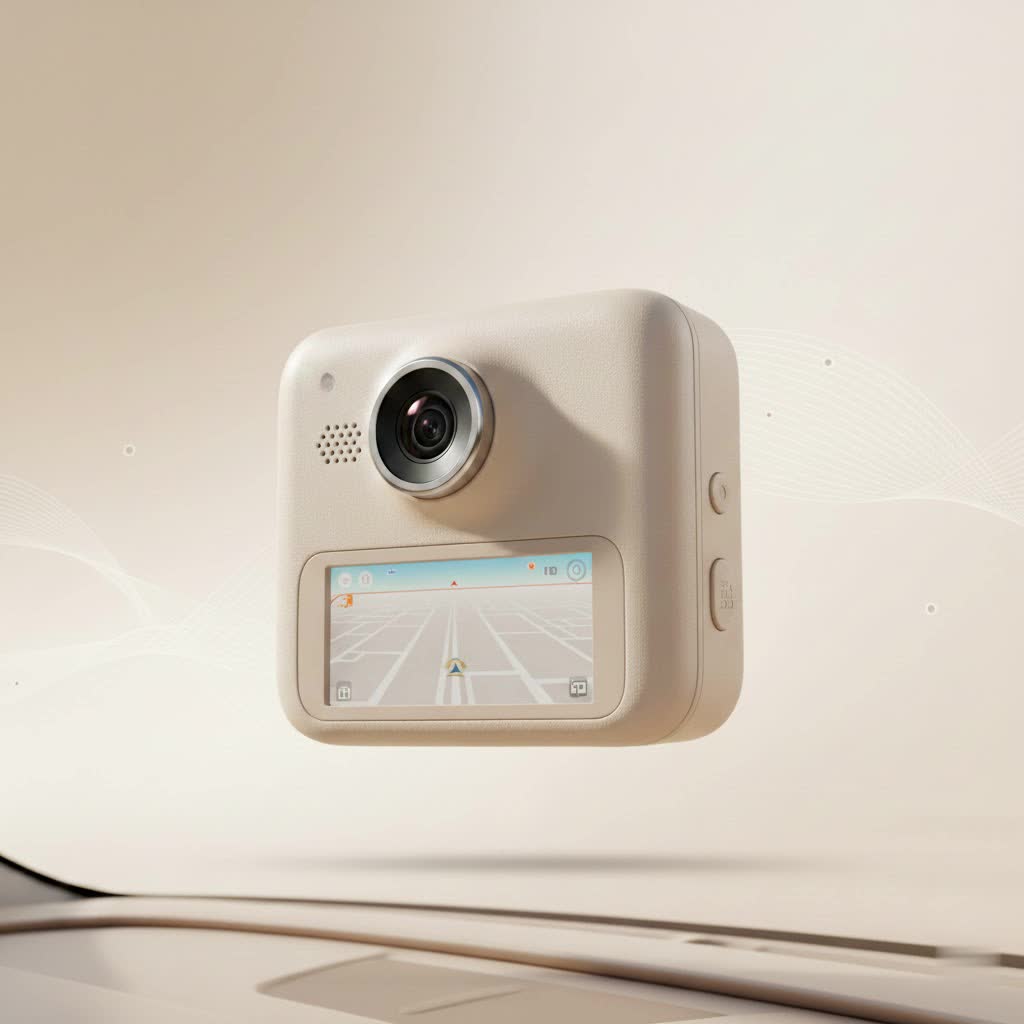
What to Look for in a Semi Truck Dash Cam
Standard car dash cams often fall short of the demands of commercial trucking. A semi-truck has more blind spots, endures more vibration, and spends significantly more time on the road, often in extreme weather conditions. Here’s what truly matters when selecting a device built for the long haul.
Multi-Channel Recording for Complete Coverage
A single, forward-facing camera is not enough for a commercial vehicle. To eliminate dangerous blind spots and get a full picture of any incident, you need a multi-channel system.
- Dual-Channel: This is the minimum standard, recording the road ahead and the driver’s cabin or the view behind the truck.
- 3-Channel: A popular and effective setup that records the front, the cabin, and the rear of the truck. The Vantrue N4 is a well-regarded model in this category for its comprehensive coverage.
- 4-Channel or More: Ideal for maximum visibility, these systems can add cameras to cover the sides of your trailer, which is invaluable during lane changes or when navigating tight spaces. Systems like the Matrack Fleet Dash Cam can support up to five cameras for total visibility.
|
Our Picks for the Best Dash Cam in 2026
As an Amazon Associate I earn from qualifying purchases.
|
||
| Num | Product | Action |
|---|---|---|
| 1 | Dash Cam Front and Rear, 2.5K+1080P Dual Dash Camera for Cars, 2’’ Display Mini Car Camera, G-Sensor Dashcam, Night Vision, 24H Parking Mode, Loop Recording, 170°Wide Angle, 32GB Card Included |

|
| 2 | REDTIGER 4K STARVIS 2 Dash Cam Front and Rear, 5GHz WiFi 20MB/s Download, 128GB Card Included, Voice Control, Dash Camera for Cars with 3.18\" Touch Screen, GPS, Loop Recording, Parking Mode(F7N Touch) |
|
| 3 | VIOFO A229 Plus Dash Cam Front and Rear, Dual STARVIS 2 Sensors, 2 Channel HDR, 1440P+1440P Voice Control Car Dash Camera, 5GHz Wi-Fi, Voice Control, Ultra-Precise GPS (SD Card Not Included) |
|
| 4 | ROVE R2-4K DUAL Dash Cam Front and Rear, STARVIS 2 Sensor, FREE 128GB Card Included, 5G WiFi - up to 20MB/s Fastest Download Speed with App, 4K 2160P/FHD Dash Camera for Cars, 3\" IPS, 24H Parking Mode |
|
| 5 | Navycrest 4K Dash Cam Front and Rear with 64GB Card, Built-in 5G WiFi, Dash Camera for Cars 4K Front and 1080P Rear, Dashcams for Cars Loop Recording, Gravity Sensor, 24-Hours Parking Mode |
|
| 6 | 4K Dash Cam Front, Built-in 5G WiFi, 64GB Card Included, Dash Camera for Cars, Mini Dashcam with Super Night Vision, Loop Recording, G-Sensor, 24 Hours Parking Monitor, Support 256GB Max |
|
| 7 | IIWEY N5 4 Channel Dash Cam 360° View, 1080P Front and Rear Inside, Left Right Dash Camera for Cars, 8 IR Lamps Night Vision, 5G WiFi & APP Control, G-Sensor, Parking Mode, with a Free 128GB SD Card |
|
| 8 | REDTIGER 4K Dash Cam Front Rear, STARVIS 2 Sensor, Free Card Included, 5.8GHz WiFi-20MB/s Fast Download, Dash Camera for Cars with GPS, WDR Night Vision, 170°Wide Angle, 24H Parking Mode(F7NP) |
|
| 9 | Dash Cam Front and Rear, 1080P Dash Camera for Cars, 3 Channel Car Camera Front Rear and Inside with 32GB Card, Loop Recording, Night Vision, HDR, 24Hr Parking, G-Sensor |
|
| 10 | Dash Cam 1296P Front Dashcam, V300 WiFi Dash Camera for Cars with App, Night Vision, Mini Hidden Single Car Camera, Loop Recording, 24H Parking Mode, Support 256GB Max, Black |
|
Rock-Solid Durability and High-Heat Resistance
The inside of a truck cab can become an oven in the summer and an icebox in the winter. A consumer-grade dash cam might fail under these conditions. Look for models that use a supercapacitor instead of a traditional lithium-ion battery. Supercapacitors are far more resilient to extreme temperatures, ensuring your camera operates reliably whether you’re in the Arizona desert or the Alaskan tundra.
Crystal-Clear Video and Superior Night Vision
When an incident occurs, clarity is everything. Being able to read a license plate or make out details in low-light conditions can be the difference between winning and losing an insurance claim.
- Resolution: Aim for a minimum of 1080p (Full HD) on all cameras. For the forward-facing camera, 4K resolution offers the best detail, especially at highway speeds. Models like the Thinkware U1000 and Nextbase 622GW are known for their premium 4K video quality.
- Night Vision: Infrared (IR) night vision is crucial, especially for in-cabin cameras. For exterior cameras, look for sensors like Sony STARVIS, which are specifically designed to produce clear, bright images in near-darkness.
Loop Recording and Ample Storage
Your dash cam should be a “set it and forget it” device. Loop recording ensures the camera never stops recording, automatically overwriting the oldest footage when the memory card is full. Given the long hours truckers spend on the road, a large storage capacity is vital. Always use high-endurance microSD cards designed for constant rewriting, with a capacity of at least 128GB, though 256GB or more is recommended for multi-channel 4K systems.
Essential Safety and Security Features
Modern dash cams offer more than just recording. These intelligent features provide an extra layer of safety and security.
- G-Sensor: This feature automatically detects sudden impacts, such as a collision or heavy braking, and locks the corresponding video file to prevent it from being overwritten.
- Parking Mode: This function monitors your truck even when it’s parked. If the G-sensor detects an impact (like a bump in a truck stop), the camera will wake up and record the event. This is invaluable for catching hit-and-runs.
- GPS Logging: Built-in GPS automatically logs your vehicle’s speed, location, and route. This data is synchronized with your video footage, providing critical context for any incident.
“In my experience, GPS data is a driver’s best friend. It provides undeniable proof of your speed and location, shutting down any ‘he said, she said’ arguments immediately.” – David Miller, veteran trucker and fleet safety consultant.
Top Dash Cam Picks for Professional Drivers
| Model | Best For | Key Features |
|---|---|---|
| Matrack Fleet Dash Cam | Overall Performance | AI-powered alerts, up to 5 cameras, GPS tracking, cloud storage |
| Vantrue N4 | Comprehensive Coverage | 3-channel (front, rear, inside) recording, infrared night vision |
| BlackVue DR900X-2CH | High-Resolution & Cloud | 4K UHD front camera, excellent cloud features for remote access |
| Garmin Dash Cam 67W | Wide View & Ease of Use | 180-degree field of view, voice control, compact design |
| Thinkware U1000 | Premium Video Quality | 4K UHD resolution, advanced driver-assistance systems (ADAS) |
How to Install a Dash Cam in a Semi Truck
While some fleet-focused systems require professional installation, most dash cams can be installed with a little patience.
- Find the Right Position: Mount the main, forward-facing camera behind the rearview mirror. Ensure it doesn’t obstruct your view but has a clear line of sight of the road. In a semi, this is often higher up than in a car to get a commanding view.
- Route the Power Cable: The most professional installation involves hardwiring the dash cam to the truck’s fuse box. This ensures the camera turns on and off with the ignition and enables parking mode. If you’re not comfortable with this, a 12V cigarette lighter adapter will work, but you’ll have to manage the cables.
- Run Cables for Other Cameras: Tuck the cables for rear and side cameras neatly into the headliner and along the trim panels. Take your time to hide the wires for a clean setup that won’t snag or distract you.
- Position Additional Cameras: Place the in-cabin camera to view the driver without being distracting. Mount the rear camera high on the back of the cab or trailer for the best view. Ensure all exterior cameras are waterproof.
- Test the System: Before finishing, power on the system to check all camera angles on the display or via the companion app. Adjust as needed, then secure all wiring.
Understanding the Legal Landscape
In the United States, dash cams are generally legal for commercial vehicles. The Federal Motor Carrier Safety Administration (FMCSA) permits them, provided they do not obstruct the driver’s view. However, state laws regarding audio recording can vary. Some states require all parties to consent to being recorded. To be safe, it’s often best to disable audio recording or inform any passengers that they are being recorded.
Frequently Asked Questions (FAQ)
How much video can a 128GB SD card hold?
A 128GB card can typically hold 10-15 hours of Full HD (1080p) footage from a dual-channel dash cam. For a 4K system, this will be significantly less, closer to 4-6 hours. Always use a high-endurance card built for dash cams.
Can my company use dash cam footage against me?
Yes. If the dash cam is company property, the footage can be used to monitor driving behavior. Many fleet systems use AI to detect things like tailgating or cell phone use. However, this footage can also exonerate you if you are driving safely and professionally during an incident.
Do dash cams work when the truck is parked?
Yes, if the dash cam has a parking mode feature and is hardwired to a constant power source. This feature is essential for protecting your rig from damage or theft at truck stops and rest areas.
What is the best dash cam for driving in very hot states?
For hot climates like Arizona or Texas, a dash cam with a supercapacitor is non-negotiable. Models from brands like VIOFO, Thinkware, and BlackVue are known for their heat resistance.
Are 4-channel dash cams worth the extra cost?
For many truckers, yes. The ability to cover both sides of your trailer eliminates massive blind spots and provides a complete, 360-degree view of your surroundings, which is incredibly valuable for proving fault in sideswipe accidents.
Your Indispensable Co-Pilot on the Road
Choosing the right dash cam for semi trucks is an investment in your safety, your career, and your peace of mind. It’s a silent partner that works tirelessly to protect you on the open road. By prioritizing features like multi-channel recording, high durability, and excellent video quality, you equip yourself with the best possible tool to navigate the challenges of professional driving. Drive safe, stay protected, and let your dash cam handle the rest.
