In my 15 years in the automotive tech world, I’ve seen a lot of gadgets come and go. But few have made as significant an impact on driver safety and peace of mind as the dash cam. We’ve moved from simple, forward-facing cameras to sophisticated systems. The latest evolution in this space is the 3 Channel Dash Cam, a device that offers a complete, 360-degree view of your vehicle’s surroundings. It’s no longer just about what’s happening in front of you; it’s about capturing the full story, inside and out.
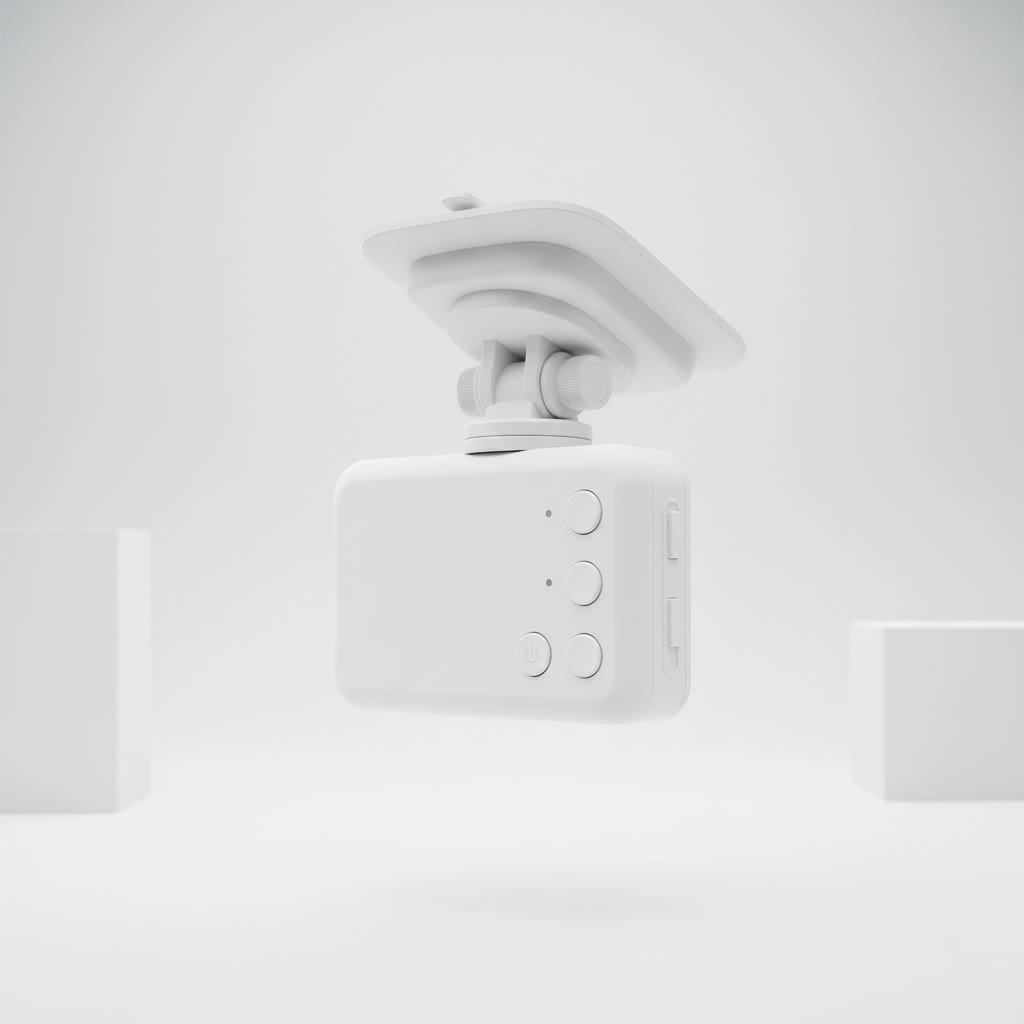
This comprehensive guide will break down everything you need to know about these advanced systems. We’ll explore what they are, why they are becoming essential for everyday drivers and professionals alike, and how to choose the right one for your needs.
What Exactly is a 3 Channel Dash Cam?
A 3 channel dash cam, also known as a triple-lens dash cam, is a car camera system that simultaneously records from three different viewpoints. Think of it as a complete surveillance system for your vehicle.
- Front Camera: This is the standard dash cam view. It mounts on your windshield and records everything happening in front of your car. It’s crucial for capturing accidents, traffic violations, and road incidents.
- Interior Camera: Also called a cabin camera, this lens records the inside of your vehicle. It’s often equipped with infrared LEDs for clear night vision, allowing it to capture footage in complete darkness without distracting the driver. This is invaluable for rideshare drivers (Uber, Lyft) or anyone who wants to monitor passengers.
- Rear Camera: This camera is typically mounted on the rear windshield and records the view behind your vehicle. It’s essential for capturing evidence of rear-end collisions, parking lot incidents, and tailgaters.
These three cameras work in unison, recording separate video files that are often synchronized by time. This provides a comprehensive, timestamped record of any event from every critical angle.
As our expert John Carter from Welmb.com puts it, “A 3 channel dash cam is the closest you can get to having a personal black box for your car. It removes the ‘he said, she said’ from any incident and provides irrefutable proof, protecting you from false claims and liability.”
The Unmatched Benefits of a Triple-Lens Setup
Why upgrade from a single or dual-lens system? A 3 channel dash cam provides a level of security and evidence that other systems simply can’t match.
Comprehensive Accident Evidence
|
Our Picks for the Best Dash Cam in 2026
As an Amazon Associate I earn from qualifying purchases.
|
||
| Num | Product | Action |
|---|---|---|
| 1 | ROVE R2-4K DUAL Dash Cam Front and Rear, STARVIS 2 Sensor, FREE 128GB Card Included, 5G WiFi - up to 20MB/s Fastest Download Speed with App, 4K 2160P/FHD Dash Camera for Cars, 3\" IPS, 24H Parking Mode |

|
| 2 | Dash Cam Front and Rear, 1080P Dash Camera for Cars, 3 Channel Car Camera Front Rear and Inside with 32GB Card, Loop Recording, Night Vision, HDR, 24Hr Parking, G-Sensor |
|
| 3 | Dash Cam Front and Rear, 2.5K+1080P Dual Dash Camera for Cars, 2’’ Display Mini Car Camera, G-Sensor Dashcam, Night Vision, 24H Parking Mode, Loop Recording, 170°Wide Angle, 32GB Card Included |
|
| 4 | IIWEY N5 4 Channel Dash Cam 360° View, 1080P Front and Rear Inside, Left Right Dash Camera for Cars, 8 IR Lamps Night Vision, 5G WiFi & APP Control, G-Sensor, Parking Mode, with a Free 128GB SD Card |
|
| 5 | Navycrest 4K Dash Cam Front and Rear with 64GB Card, Built-in 5G WiFi, Dash Camera for Cars 4K Front and 1080P Rear, Dashcams for Cars Loop Recording, Gravity Sensor, 24-Hours Parking Mode |
|
| 6 | 4K Dash Cam Front, Built-in 5G WiFi, 64GB Card Included, Dash Camera for Cars, Mini Dashcam with Super Night Vision, Loop Recording, G-Sensor, 24 Hours Parking Monitor, Support 256GB Max |
|
| 7 | REDTIGER 4K Dash Cam Front Rear, STARVIS 2 Sensor, Free Card Included, 5.8GHz WiFi-20MB/s Fast Download, Dash Camera for Cars with GPS, WDR Night Vision, 170°Wide Angle, 24H Parking Mode(F7NP) |
|
| 8 | VIOFO A229 Plus Dash Cam Front and Rear, Dual STARVIS 2 Sensors, 2 Channel HDR, 1440P+1440P Voice Control Car Dash Camera, 5GHz Wi-Fi, Voice Control, Ultra-Precise GPS (SD Card Not Included) |
|
| 9 | REDTIGER 4K STARVIS 2 Dash Cam Front and Rear, 5GHz WiFi 20MB/s Download, 128GB Card Included, Voice Control, Dash Camera for Cars with 3.18\" Touch Screen, GPS, Loop Recording, Parking Mode(F7N Touch) |
|
| 10 | Dash Cam 1296P Front Dashcam, V300 WiFi Dash Camera for Cars with App, Night Vision, Mini Hidden Single Car Camera, Loop Recording, 24H Parking Mode, Support 256GB Max, Black |
|
In the unfortunate event of a collision, a 3 channel system captures the entire sequence of events. You’ll have footage of the car in front, the driver’s reactions inside, and the vehicle behind you. This is particularly useful in complex scenarios like multi-car pile-ups or hit-and-run incidents where fault can be difficult to determine.
Protection for Rideshare Drivers
For Uber and Lyft drivers, the interior camera is a non-negotiable feature. It acts as a powerful deterrent against unruly passengers, false accusations, and disputes over fares or cleaning fees. In case of an incident, the cabin footage provides unbiased evidence to protect your rating and your livelihood.
Deterrent Against Theft and Vandalism
Many 3 channel systems come with an advanced parking mode. When the camera’s G-sensor detects a bump or its motion sensors pick up movement, it will wake up and start recording all three channels. This can help you identify anyone who damages your car in a parking lot or attempts to break in.
Monitoring and Peace of Mind
Are you a parent with a new teen driver? A 3 channel dash cam allows you to monitor their driving habits and ensure they are staying focused on the road. For business owners with a fleet of vehicles, it provides a way to ensure employees are operating company cars safely and professionally.
Choosing the Best 3 Channel Dash Cam: Key Features to Look For
Not all triple-camera systems are created equal. When shopping for a 3 channel dash cam, here are the critical features you need to consider.
Video Quality and Resolution
Crystal-clear video is paramount. Look for a system that offers at least 1080p (Full HD) resolution for all three cameras. Premium models may offer 2K or 4K resolution for the front camera, which is excellent for capturing fine details like license plates from a distance. Frame rate is also important; 30 frames per second (fps) is standard, but 60fps on the front camera can provide smoother video and better detail during high-speed motion.
Night Vision Capability
A dash cam is only as good as its ability to see in the dark. This is especially true for the interior and rear cameras.
- Interior: Look for cameras with infrared (IR) LEDs. These illuminate the cabin with light that is invisible to the human eye, resulting in a clear black-and-white image even in pitch-black conditions.
- Front and Rear: High-quality image sensors like those from Sony (STARVIS) are designed for low-light performance, capturing more detail and color in dimly lit environments.
Advanced Parking Mode
A basic parking mode only records when an impact is detected. A more advanced system will use buffered recording. This means it’s continuously recording a short loop, and when an event is triggered, it saves the clip including the crucial few seconds before the impact. Look for hardwiring kits that enable this feature without draining your car’s battery.
GPS and Wi-Fi Connectivity
- GPS: An integrated GPS module geotags your video footage with location and speed data. This can be vital for insurance claims and legal disputes, as it proves exactly where and how fast you were traveling.
- Wi-Fi: This feature allows you to connect the dash cam to your smartphone via a dedicated app. You can then easily view, download, and share footage without needing to remove the microSD card.
Data Storage
Three channels of high-resolution video generate a lot of data. Ensure the dash cam supports high-capacity microSD cards, typically 256GB or more. Look for high-endurance cards designed specifically for the constant rewriting that dash cams perform.
How Do You Install a 3 Channel Dash Cam?
While professional installation is always an option, many drivers can install a 3 channel dash cam themselves with a bit of patience.
- Mount the Front Camera: Choose a spot on the front windshield, usually behind the rearview mirror, that doesn’t obstruct your view. Clean the glass thoroughly before attaching the adhesive mount.
- Route the Power Cable: This is the most time-consuming part. Tuck the power cable into the headliner, down the A-pillar (the pillar between the windshield and the front door), under the glove box, and to your power source (either the 12V cigarette lighter port or the fuse box for hardwiring).
- Mount the Rear Camera: Run the long rear camera cable the same way, but continue along the headliner to the back of the car. Mount the camera at the top center of the rear windshield.
- Connect the Interior Camera: The interior camera is often part of the main front unit or connects to it via a short cable, making it the easiest component to set up.
- Power On and Test: Insert a formatted microSD card, turn on the car, and check that all three camera feeds are displaying correctly on the screen or in the mobile app. Adjust the angles for the best view.
Frequently Asked Questions (FAQ)
Is a 3 channel dash cam legal?
Yes, in most places, using a dash cam for personal security is legal. However, be aware of local regulations regarding recording audio and informing passengers that they are being recorded, especially if you are a rideshare driver.
How much storage do these dash cams use?
A three-channel system recording at 1080p can use between 10GB and 20GB of data per hour. A 128GB card will typically hold 6-10 hours of footage from all three cameras before loop recording begins to overwrite the oldest files.
Do 3 channel dash cams drain the car battery?
If connected via a standard 12V socket, the camera will turn off with the car. If you hardwire it for parking mode, it’s crucial to use a kit with a built-in voltmeter that will automatically cut power to the dash cam if your car’s battery voltage drops to a certain level, ensuring you can always start your engine.
Is the interior camera useful if I’m not a rideshare driver?
Absolutely. It can capture evidence of a break-in, record interactions during a traffic stop, or simply provide peace of mind that nothing untoward is happening inside your vehicle.
The Final Verdict: Is a 3 Channel Dash Cam Worth It?
For the ultimate in-vehicle security and evidence collection, a 3 channel dash cam is an unparalleled investment. While the initial cost may be higher than a single or dual-channel system, the comprehensive coverage it provides is invaluable. It protects you from every angle—front, back, and inside—offering complete peace of mind on the road and in the parking lot. Whether you’re a professional driver, a concerned parent, or simply someone who wants the best protection available, upgrading to a triple-lens system is a decision you won’t regret. Drive safer, smarter, and with the confidence that you have the full story on your side.
