In a world of unpredictable roads, a dash cam has shifted from a novelty gadget to an essential tool for any driver. But with countless options flooding the market, how do you distinguish a cheap toy from a reliable eyewitness? Investing in a High Quality Dash Cam isn’t just about capturing scenic drives; it’s about securing undeniable proof when you need it most. It’s the difference between a blurry, unusable clip and a crystal-clear video that can save you from a legal headache, a fraudulent claim, or a massive insurance deductible. As a specialist who has handled and installed hundreds of models over the past 15 years, I’m here to guide you through what really matters.
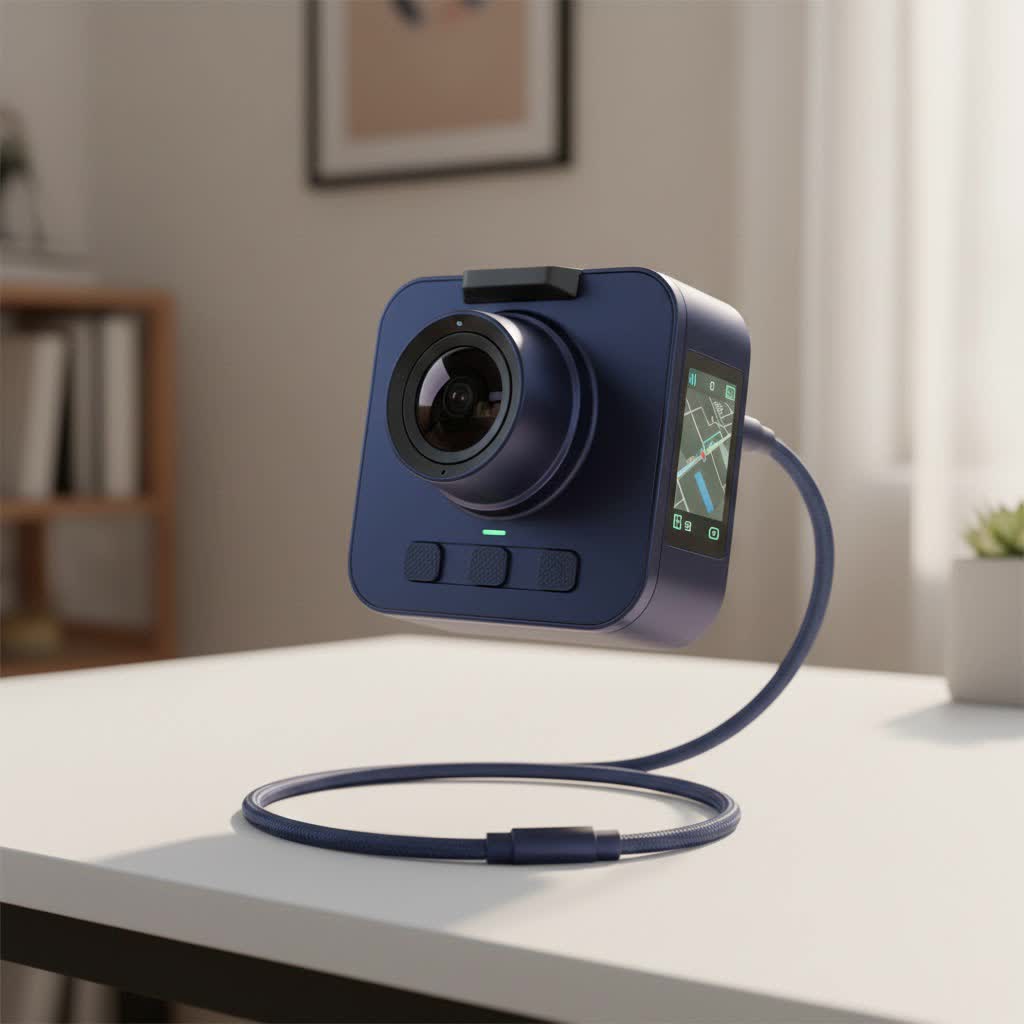
The Core Features of a High Quality Dash Cam
True quality goes far beyond a flashy “4K” label on the box. It’s about a combination of superior components and intelligent features working in harmony to deliver reliability and clarity, day or night, rain or shine.
The Sensor: The Heart of Image Quality
The most critical component for image clarity isn’t the resolution—it’s the sensor. A high quality dash cam will almost always feature a premium image sensor, such as Sony’s STARVIS series. These sensors are engineered for exceptional low-light performance.
- Why it matters: Most incidents don’t happen on perfectly lit days. Accidents at dawn, dusk, or during a storm are common. A superior sensor captures details like license plates and street signs in these challenging conditions, while a cheaper camera would only record a grainy, dark mess.
- Look for: Wide Dynamic Range (WDR) technology. This feature balances the light and dark areas of a scene simultaneously, preventing crucial details from being washed out by sunlight or hidden in shadows.
|
Our Picks for the Best Dash Cam in 2026
As an Amazon Associate I earn from qualifying purchases.
|
||
| Num | Product | Action |
|---|---|---|
| 1 | ROVE R2-4K DUAL Dash Cam Front and Rear, STARVIS 2 Sensor, FREE 128GB Card Included, 5G WiFi - up to 20MB/s Fastest Download Speed with App, 4K 2160P/FHD Dash Camera for Cars, 3\" IPS, 24H Parking Mode |

|
| 2 | IIWEY N5 4 Channel Dash Cam 360° View, 1080P Front and Rear Inside, Left Right Dash Camera for Cars, 8 IR Lamps Night Vision, 5G WiFi & APP Control, G-Sensor, Parking Mode, with a Free 128GB SD Card |
|
| 3 | Dash Cam Front and Rear, 2.5K+1080P Dual Dash Camera for Cars, 2’’ Display Mini Car Camera, G-Sensor Dashcam, Night Vision, 24H Parking Mode, Loop Recording, 170°Wide Angle, 32GB Card Included |
|
| 4 | 4K Dash Cam Front, Built-in 5G WiFi, 64GB Card Included, Dash Camera for Cars, Mini Dashcam with Super Night Vision, Loop Recording, G-Sensor, 24 Hours Parking Monitor, Support 256GB Max |
|
| 5 | Navycrest 4K Dash Cam Front and Rear with 64GB Card, Built-in 5G WiFi, Dash Camera for Cars 4K Front and 1080P Rear, Dashcams for Cars Loop Recording, Gravity Sensor, 24-Hours Parking Mode |
|
| 6 | Dash Cam 1296P Front Dashcam, V300 WiFi Dash Camera for Cars with App, Night Vision, Mini Hidden Single Car Camera, Loop Recording, 24H Parking Mode, Support 256GB Max, Black |
|
| 7 | Dash Cam Front and Rear, 1080P Dash Camera for Cars, 3 Channel Car Camera Front Rear and Inside with 32GB Card, Loop Recording, Night Vision, HDR, 24Hr Parking, G-Sensor |
|
| 8 | REDTIGER 4K Dash Cam Front Rear, STARVIS 2 Sensor, Free Card Included, 5.8GHz WiFi-20MB/s Fast Download, Dash Camera for Cars with GPS, WDR Night Vision, 170°Wide Angle, 24H Parking Mode(F7NP) |
|
| 9 | REDTIGER 4K STARVIS 2 Dash Cam Front and Rear, 5GHz WiFi 20MB/s Download, 128GB Card Included, Voice Control, Dash Camera for Cars with 3.18\" Touch Screen, GPS, Loop Recording, Parking Mode(F7N Touch) |
|
| 10 | VIOFO A229 Plus Dash Cam Front and Rear, Dual STARVIS 2 Sensors, 2 Channel HDR, 1440P+1440P Voice Control Car Dash Camera, 5GHz Wi-Fi, Voice Control, Ultra-Precise GPS (SD Card Not Included) |
|
Rock-Solid Reliability: Supercapacitors vs. Batteries
Extreme temperatures inside a parked car can be a death sentence for traditional lithium-ion batteries. They can swell, leak, or fail completely, rendering your dash cam useless when you might need it most.
A high quality dash cam uses a supercapacitor instead. Supercapacitors are built to withstand harsh temperature ranges, from freezing winters to scorching summers. They provide just enough power to safely save the final recording when you turn off your car, ensuring no data is corrupted. This focus on durability is a key differentiator.
“I always advise clients to prioritize a model with a supercapacitor,” notes Alex Robertson, a veteran automotive tech specialist. “A battery-powered dash cam is a point of failure waiting to happen. Reliability is non-negotiable, and a supercapacitor delivers that peace of mind.”
Advanced Parking Mode: Your 24/7 Guardian
What happens to your car when it’s parked? A basic dash cam sleeps when the engine is off. A high quality dash cam stands guard. Advanced parking mode is a sophisticated surveillance system that uses a combination of motion and impact detection.
- Buffered Recording: This is the gold standard. The camera is constantly recording a short loop to its internal memory. When an impact is detected, it saves the clip starting before the event, showing you the crucial moments leading up to the hit-and-run or vandalism.
- Energy Efficiency: Premium models use advanced power-saving technology to monitor your vehicle for hours or even days without significantly draining your car’s battery.
Seamless Connectivity: GPS, Wi-Fi, and Cloud
Modern dash cams are more than just recorders; they are connected devices.
- GPS: An integrated GPS module automatically embeds your vehicle’s speed and location data into the video footage. This provides critical context and irrefutable evidence for insurance claims or legal disputes.
- Wi-Fi: Built-in Wi-Fi allows you to connect the dash cam directly to your smartphone. You can easily review footage, adjust settings, and download important videos without ever having to remove the tiny memory card.
- Cloud Functionality: Top-tier models offer cloud connectivity. This can provide features like live view from anywhere, impact notifications sent directly to your phone, and automatic backup of critical event files to a secure server.
How to Choose the Right High Quality Dash Cam for You
Now that you know what features to look for, let’s narrow down the options based on your specific needs.
Single, Dual, or Triple Channel?
The number of “channels” refers to the number of cameras in the system.
- Single-Channel: A single, forward-facing camera. This is the most basic setup and provides excellent protection for front-end collisions.
- Dual-Channel: The most popular configuration. It includes a front-facing camera and a second, smaller camera for the rear window. This is essential for capturing rear-end collisions, which are incredibly common.
- Triple-Channel (or Interior): These systems add a third camera that records the vehicle’s interior. This is ideal for rideshare drivers (Uber, Lyft) or business owners who need to monitor passengers and driver behavior.
Finding the Sweet Spot: Budget vs. Features
A high quality dash cam is an investment, but it doesn’t have to break the bank.
- Entry-Level Quality ($100-$200): In this range, you can find excellent single-channel cameras with key features like a Sony STARVIS sensor, a supercapacitor, and good 1080p or 1440p resolution.
- Mid-Range Power ($200-$400): This is the sweet spot for most users. You’ll find top-tier dual-channel systems with 4K front cameras, excellent parking modes, GPS, and reliable Wi-Fi apps.
- Premium & Professional ($400+): This category includes high-end dual-channel systems with the best sensors, cloud connectivity, and advanced features for enthusiasts or professional drivers.
A Quick Word on Installation
Don’t be intimidated by the idea of installation. While a professional can always do it for you, most models are designed for straightforward DIY setup. To unlock features like parking mode, you will need to hardwire the dash cam to your car’s fuse panel. This sounds more complex than it is. Most kits come with “add-a-fuse” taps that make the process simple and reversible, typically requiring about 30-60 minutes for a clean, professional-looking installation with no visible wires.
Frequently Asked Questions (FAQ)
Is 4K resolution really necessary in a dash cam?
While 4K offers the highest detail, a premium 1080p or 1440p camera with a high-quality sensor and WDR can often outperform a cheap 4K camera. Sensor quality is more important than resolution alone.
How much memory card storage do I need?
For a dual-channel system recording in 1080p or higher, a 64GB or 128GB high-endurance memory card is recommended. High-endurance cards are specifically designed for the constant rewriting that dash cams perform.
Will a high quality dash cam drain my car battery?
No. Premium dash cams with hardwiring kits have a built-in voltmeter. You can set a cutoff voltage (e.g., 12.2V), and the dash cam will automatically shut down if the car’s battery level drops to that point, ensuring you always have enough power to start your engine.
Can I install a dash cam myself?
Absolutely. Most users can achieve a clean installation with hidden wires in under an hour using basic tools. There are countless video tutorials online for nearly every make and model of vehicle.
Your Silent Witness on the Road
Choosing a high quality dash cam is one of the smartest, most proactive decisions a driver can make. It’s not about the price tag; it’s about investing in reliability, clarity, and advanced features that work when you need them most. From a superior sensor that pierces through the dark to a supercapacitor that survives the heat, these are the details that define true quality. Equip your vehicle with a proper eyewitness and drive with the confidence that you’re always protected.
