In today’s traffic, having an extra set of eyes on the road isn’t just a luxury; it’s a necessity. While many drivers have adopted forward-facing dash cams, they only tell half the story. To truly protect yourself, your vehicle, and your peace of mind, investing in a Front Rear Dash Cam is one of the smartest decisions you can make. These dual-channel systems offer comprehensive, 360-degree surveillance that captures everything happening in front of and behind you, ensuring you never miss a critical moment. Whether you’re dealing with a sudden collision, a parking lot mishap, or a fraudulent insurance claim, a full-coverage dash cam system is your most reliable witness.
What is a Front and Rear Dash Cam?
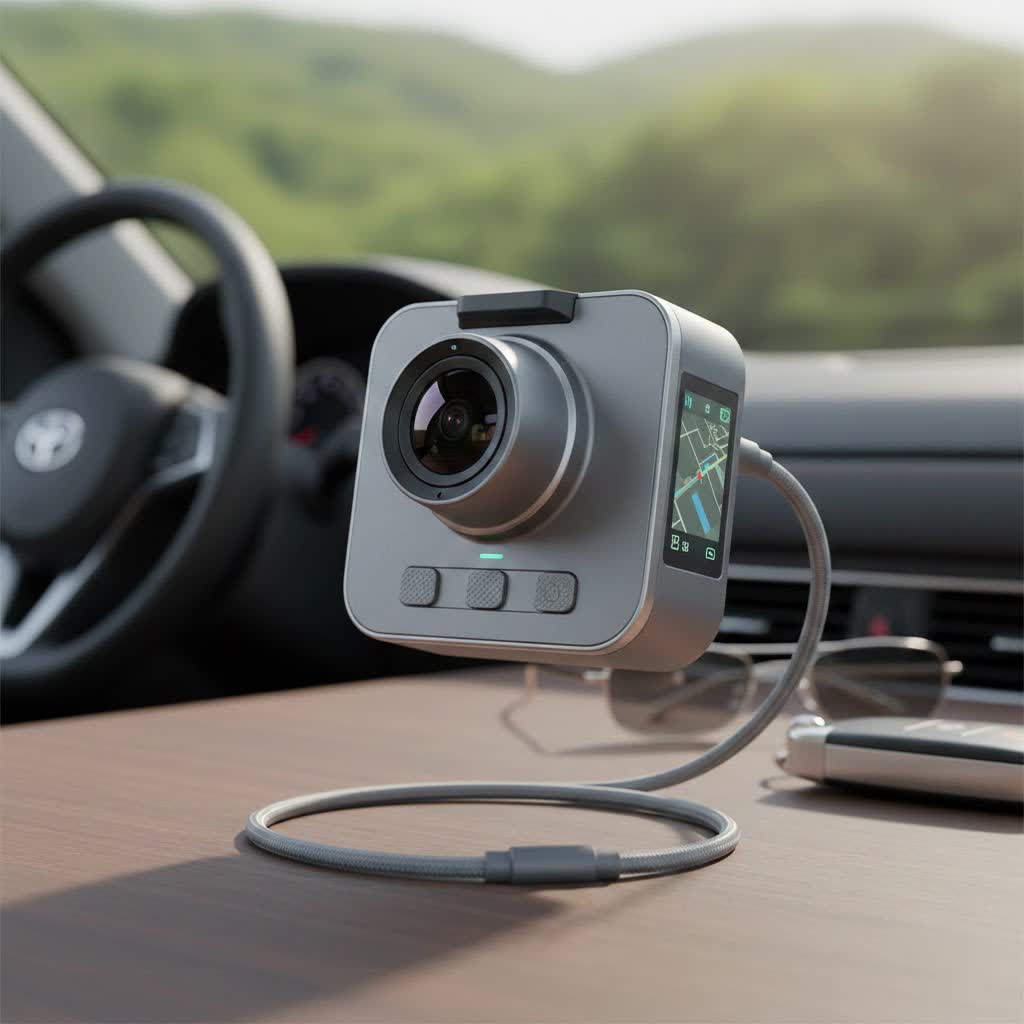
A front and rear dash cam, also known as a dual-channel dash cam, is a vehicle security system that includes two separate camera units. The primary camera mounts on your front windshield to record the road ahead, while a second, smaller camera is installed on your rear window to capture events behind your vehicle. Both cameras record simultaneously, providing a complete video record of any incident. This setup ensures that you have evidence for rear-end collisions, which are among the most common types of traffic accidents.
Why You Absolutely Need 360-Degree Coverage
A front-only dash cam is a great first step, but it leaves you vulnerable. A significant number of incidents happen out of your forward view. Here’s why a complete front and rear dash cam system is the new safety standard.
Unshakeable Evidence in Accidents
|
Our Picks for the Best Dash Cam in 2026
As an Amazon Associate I earn from qualifying purchases.
|
||
| Num | Product | Action |
|---|---|---|
| 1 | Dash Cam 1296P Front Dashcam, V300 WiFi Dash Camera for Cars with App, Night Vision, Mini Hidden Single Car Camera, Loop Recording, 24H Parking Mode, Support 256GB Max, Black |

|
| 2 | REDTIGER 4K Dash Cam Front Rear, STARVIS 2 Sensor, Free Card Included, 5.8GHz WiFi-20MB/s Fast Download, Dash Camera for Cars with GPS, WDR Night Vision, 170°Wide Angle, 24H Parking Mode(F7NP) |
|
| 3 | VIOFO A229 Plus Dash Cam Front and Rear, Dual STARVIS 2 Sensors, 2 Channel HDR, 1440P+1440P Voice Control Car Dash Camera, 5GHz Wi-Fi, Voice Control, Ultra-Precise GPS (SD Card Not Included) |
|
| 4 | Dash Cam Front and Rear, 1080P Dash Camera for Cars, 3 Channel Car Camera Front Rear and Inside with 32GB Card, Loop Recording, Night Vision, HDR, 24Hr Parking, G-Sensor |
|
| 5 | Navycrest 4K Dash Cam Front and Rear with 64GB Card, Built-in 5G WiFi, Dash Camera for Cars 4K Front and 1080P Rear, Dashcams for Cars Loop Recording, Gravity Sensor, 24-Hours Parking Mode |
|
| 6 | Dash Cam Front and Rear, 2.5K+1080P Dual Dash Camera for Cars, 2’’ Display Mini Car Camera, G-Sensor Dashcam, Night Vision, 24H Parking Mode, Loop Recording, 170°Wide Angle, 32GB Card Included |
|
| 7 | ROVE R2-4K DUAL Dash Cam Front and Rear, STARVIS 2 Sensor, FREE 128GB Card Included, 5G WiFi - up to 20MB/s Fastest Download Speed with App, 4K 2160P/FHD Dash Camera for Cars, 3\" IPS, 24H Parking Mode |
|
| 8 | IIWEY N5 4 Channel Dash Cam 360° View, 1080P Front and Rear Inside, Left Right Dash Camera for Cars, 8 IR Lamps Night Vision, 5G WiFi & APP Control, G-Sensor, Parking Mode, with a Free 128GB SD Card |
|
| 9 | 4K Dash Cam Front, Built-in 5G WiFi, 64GB Card Included, Dash Camera for Cars, Mini Dashcam with Super Night Vision, Loop Recording, G-Sensor, 24 Hours Parking Monitor, Support 256GB Max |
|
| 10 | REDTIGER 4K STARVIS 2 Dash Cam Front and Rear, 5GHz WiFi 20MB/s Download, 128GB Card Included, Voice Control, Dash Camera for Cars with 3.18\" Touch Screen, GPS, Loop Recording, Parking Mode(F7N Touch) |
|
Rear-end collisions are incredibly common. Without a rear-facing camera, proving the other driver was tailgating, texting, or driving recklessly before impact becomes your word against theirs. A front rear dash cam provides indisputable video evidence, clearly showing the sequence of events and helping you avoid wrongful blame and hefty insurance penalties.
Protection Against Insurance Fraud
Scammers sometimes perform “crash-for-cash” schemes by braking suddenly in front of you, hoping you can’t stop in time. A forward-facing camera captures this, but what about schemes from behind? A dual-camera system protects you from all angles, deterring fraudsters and giving you the evidence needed to fight false claims.
24/7 Parking Security
Your car is vulnerable even when parked. A front and rear dash cam with a “parking mode” feature can automatically start recording if it detects an impact or motion. This is invaluable for catching hit-and-run drivers who scrape your bumper in a parking lot or vandals who damage your vehicle.
“A single-channel dash cam sees the problem you’re driving towards. A dual-channel system protects you from the trouble you don’t see coming,” states David Chen, a senior automotive electronics technician at Welmb with over 15 years of experience. “It’s the difference between partial security and complete peace of mind.”
Choosing the Best Front and Rear Dash Cam: Key Features
When shopping for a dual-channel system, the technical specifications matter. Here are the essential features to look for to ensure you get a reliable and effective front rear dash cam.
Crystal Clear Video Resolution
Video quality is paramount. Look for a system that offers at least 1080p (Full HD) resolution for both cameras. A higher resolution, such as 4K for the front camera, provides even greater detail, making it easier to read license plates and street signs, day or night.
Superior Night Vision
Accidents don’t just happen in broad daylight. A camera with excellent night vision capabilities, often achieved through a high-quality sensor (like a Sony STARVIS sensor) and a wide aperture (e.g., f/1.8), is crucial. This technology ensures you capture clear, usable footage in low-light conditions.
Intelligent Parking Mode
This is a must-have feature. When your car is parked and the ignition is off, parking mode allows the dash cam to enter a standby state. It will automatically begin recording when its G-sensor detects an impact (like another car bumping into you) or when its motion sensor detects movement around the vehicle. This requires the dash cam to be hardwired to your car’s battery or connected to a dedicated battery pack.
G-Sensor and Loop Recording
- G-Sensor (Gravity Sensor): This sensor detects sudden impacts, such as a collision or harsh braking. When triggered, it automatically locks the current video file, preventing it from being overwritten.
- Loop Recording: To manage storage, dash cams record in a continuous loop. When the memory card is full, the camera automatically overwrites the oldest, unlocked files. This ensures your camera is always recording without you needing to manually clear space.
GPS and Wi-Fi Connectivity
- GPS Logging: An integrated GPS module geotags your video footage with location and speed data. This can provide critical context for an accident, showing exactly where and how fast you were traveling.
- Wi-Fi Connectivity: Wi-Fi allows you to connect your smartphone directly to the dash cam. Through a dedicated app, you can easily view, download, and share video files without needing to remove the microSD card.
A Simple Guide to Installing Your Front and Rear Dash Cam
While professional installation is always an option, many front and rear dash cam systems are designed for straightforward DIY setup.
- Mount the Front Camera: Position the main camera on your front windshield, typically behind the rearview mirror, to ensure it doesn’t obstruct your view.
- Route the Power Cable: Tuck the power cable neatly along the headliner, down the A-pillar, and into your car’s 12V power outlet (cigarette lighter). For parking mode, you will need a hardwiring kit to connect directly to the fuse box.
- Mount the Rear Camera: Place the rear camera at the top center of your rear windshield, ensuring the view is clear.
- Connect the Rear Camera: Run the long connection cable from the front camera to the rear camera. Hide the wire along the headliner for a clean, professional-looking installation.
- Power Up and Test: Insert a high-endurance microSD card, start your car to power on the system, and check both camera feeds (usually via the camera’s screen or a smartphone app) to confirm they are recording correctly.
Comparing Top Front and Rear Dash Cam Systems
| Feature | Entry-Level System | Mid-Range System | Premium System |
|---|---|---|---|
| Front Resolution | 1080p | 1440p (2K) or 4K | 4K UHD |
| Rear Resolution | 720p or 1080p | 1080p | 1080p or 1440p |
| Night Vision | Standard | Enhanced (WDR) | Superior (Sony STARVIS) |
| Parking Mode | Basic (Impact Only) | Advanced (Impact & Motion) | Advanced + Time-Lapse |
| GPS | Optional (External) | Built-in | Built-in |
| Wi-Fi | No or Basic | Yes (2.4GHz) | Yes (Dual-Band 5GHz) |
| Price Range | $80 – $150 | $150 – $250 | $250 – $500+ |
Frequently Asked Questions (FAQ)
Q: Is a rear dash cam really necessary?
A: Absolutely. Rear-end collisions are one of the most frequent types of accidents. A rear camera provides the crucial evidence needed to prove you were not at fault, protecting you from false claims and insurance hikes.
Q: Do front and rear dash cams drain the car battery?
A: When connected to the 12V outlet, the camera only operates when the car is on. If hardwired for parking mode, it draws a minimal amount of power. Most hardwiring kits include a voltage cutoff feature that automatically shuts the camera off if the car’s battery level drops too low, preventing it from being drained.
Q: Can you install a front and rear dash cam in any car?
A: Yes, these systems are universally compatible and can be installed in virtually any car, truck, or SUV. The installation process is similar across all vehicle types.
Q: How much recording time can I get on a microSD card?
A: This depends on the card’s capacity and the video resolution. For a dual 1080p system, a 128GB card will typically store around 10-12 hours of footage before loop recording begins overwriting older files.
Q: Is it legal to use a front and rear dash cam?
A: In most countries and regions, using a dash cam for personal use is legal. However, it’s important to check local regulations regarding placement on the windshield and any specific privacy laws that may apply.
The Final Verdict
In an unpredictable world, taking control of your safety on the road is essential. A single-channel dash cam offers a glimpse of the story, but a front rear dash cam provides the complete picture. It’s a small investment that delivers immense value by protecting you from false accusations, documenting incidents 24/7, and providing the concrete evidence you need when it matters most. Don’t wait for an incident to happen—equip your vehicle with a dual-channel system and drive with the confidence that you are fully protected from every angle.
